
The Measurement Problem Behind Two Decades of Neurology Trial Failures
The FDA now treats continuous, real-time data sharing as a regulatory direction of travel rather than a theoretical future. The neurology field should pay close attention.
The FDA now treats continuous, real-time data sharing as a regulatory direction of travel rather than a theoretical future. The neurology field should pay close attention.
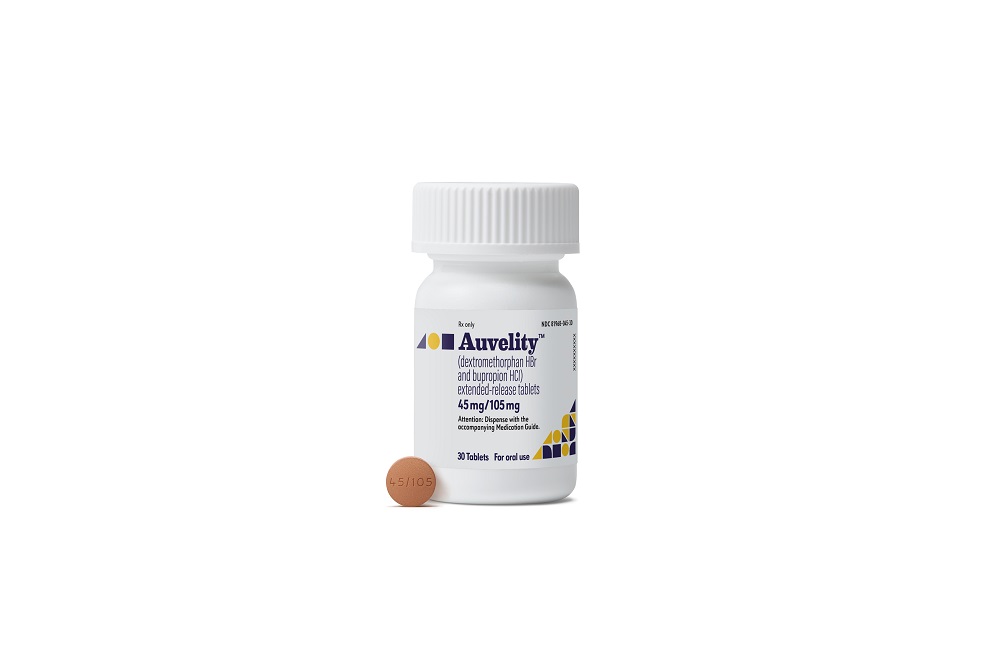
Axsome Therapeutics’ Auvelity expanded its label to include treating agitation in Alzheimer’s disease patients. It’s just the second FDA-approved drug for this indication, and Axsome’s pill has a safety advantage.


In an interview, Kyan Health Co-Founder and Chief Commercial Officer Konstantin Struck discussed how Kyan gives mid-market and enterprise employers access to premium workforce mental healthcare, at a price point that is affordable.

Innovations in biomarker science, particularly in cerebrospinal fluid (CSF) and blood, are expanding Alzheimer’s testing beyond specialty care.

From cardiovascular disease to Alzheimer’s, the retina is proving to be the body’s most revealing health monitor, positioning optometrists at the forefront of early detection and integrated care.

Korsana Biosciences’ preclinical Alzheimer’s disease drug comes from a platform technology that enables antibodies to cross the blood-brain barrier. Roche and AbbVie have clinical-stage drugs taking a similar approach to Alzheimer’s.

NYU Langone Health is partnering with Isaac Health to launch a specialist-led virtual care model aimed at reducing long waits for memory care. The partnership will test whether telehealth can expand access without sacrificing quality as demand for neurologists continues to outpace supply.


By reducing administrative burden and redesigning workflows around human needs, it creates space for what matters most: connection between clinicians and patients.

New tools and evidence can empower early action against Alzheimer’s before symptoms strike

Time is of the essence, particularly for those with cognitive conditions. The loss of telehealth flexibilities, combined with disruptions to Medicaid, could have devastating consequences for millions of patients with dementia and other cognitive and behavioral conditions.
Injectable Leqembi permits weekly maintenance dosing of the Eisai and Biogen Alzheimer’s disease drug that may be done at a patient’s home. Other recent notable regulatory news includes several rare disease drug approvals and narrower FDA nods for Covid-19 vaccines.

Isaac Health, a startup specializing in cognitive care for Alzheimer’s dementia , raised $10.5 million in Series A funding to expand nationwide access to its platform. The company partners with health plans to provide screening, specialist diagnosis, treatment, and ongoing management aimed at slowing cognitive decline.


We'll explore why the next era of payer performance will depend on building a trusted data foundation that connects people, providers, and relationships across the enterprise.
The Alzheimer’s disease drugs that have reached the market in the past two years are antibodies designed to break up amyloid plaques. Vigil Neuroscience brings to Sanofi a different approach: an oral small molecule designed to activate microglia, immune cells that play a key role in brain health.
Fujirebio Diagnostics’ blood test for Alzheimer’s disease offers a less expensive and less invasive alternative compared to medical imaging and tests of cerebrospinal fluid. But competition looms from blood-based tests in development by other diagnostics companies.

By shifting the focus for consumers earlier in the care continuum, AI has the potential to play a transformative role in prevention and personalized health solutions-particularly for health conditions that impact hundreds of millions of people worldwide.

Alzheon hoped testing its drug in a genetically defined subgroup of Alzheimer’s disease patients would succeed, overcoming earlier clinical trial failures. Instead, preliminary results show the pill failed to outdistance a placebo.

GSK is licensing an ABL Bio technology that yields bispecific antibodies engineered to leverage a certain transmembrane receptor to cross the blood-brain barrier to treat neurodegeneration. GSK is already partnered with Alector, which has monoclonal antibodies in clinical development for Alzheimer’s disease.