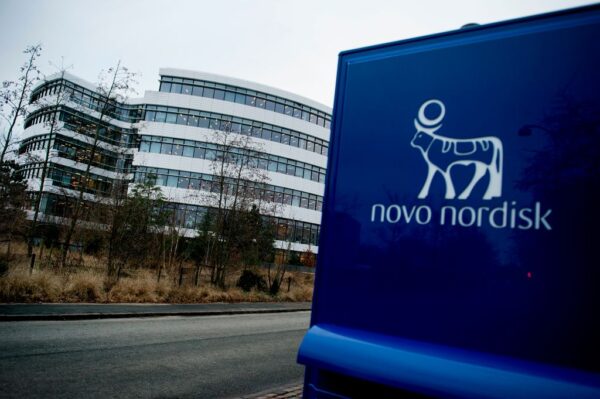
Novo Nordisk has both internal research and external alliances pursuing new drugs that could shape the next generation of metabolic medicines. The pharmaceutical giant’s latest move is a partnership with Replicate Bioscience, a clinical-stage startup whose work focuses on an emerging type of RNA therapy.
The agreement announced Thursday calls for the companies to collaborate on undisclosed targets for obesity, type 2 diabetes, and other cardiometabolic diseases. Novo Nordisk receives an exclusive, worldwide license to use Replicate’s technology platform to develop and commercialize the lead programs.
San Diego-based Replicate specializes in self-replicating RNA, or srRNA. This type of RNA works by replicating itself inside the cells of a patient. The srRNA instruct the cells to continuously make therapeutic proteins. Replicate says this type of RNA therapy could require lower dosing levels while also offering a longer duration of therapeutic effect.


MedCity News Pivot Podcast: How Emergency Departments Are Using Real-Time Data to Improve Outcomes
How can AI benefit and improve patient outcome in the emergency department? Watch the latest episode to find out.
Replicate’s research has yielded the lead internal program RBI-4000, a rabies vaccine in Phase 1 testing. The company has a preclinical vaccine program for infectious mononucleosis and a preclinical trivalent candidate for the respiratory pathogens RSV, hMPV, and PIV. Its therapies span preclinical programs for inflammatory/autoimmune diseases and ER-positive breast cancer. The Replicate pipeline currently lists one diabetes/obesity program, RBI-X000, which is now partnered with Novo Nordisk.
Specific financial details of the new partnership remain confidential, but the companies said Replicate could receive up to $550 million, a sum that includes an upfront and milestone payments. Novo Nordisk will also provide Replicate with research funding. The length of the alliance was not specified, other than to say it’s a multi-year deal. If the research leads to approved drugs, Replicate is eligible to receive royalties from product sales.
Upfront payments haven’t been specified in other Novo Nordisk deals with early- and discovery-stage companies as the pharma giant spreads its bets in metabolic medicines. In 2023, Novo acquired two startups: Inversago, a developer of oral small molecules that block CB1 receptors in peripheral tissues, and Embark Biotech, developer of drugs that increase energy expenditure. Earlier this year, Novo started an alliance with Septerna, a developer of small molecules drugs that target elusive G protein-coupled receptors. The targets of this partnership include GLP-1, GIP, and glucagon receptors. Before the Septerna deal, Novo’s ongoing alliance with Valo Health expanded to include more cardiometabolic disorders, including obesity and type 2 diabetes.
“Novo Nordisk is continuously looking to build on its leading position in cardiometabolic diseases,” Karina Thorn, Novo Nordisk’s corporate vice president of nucleic acid research, said in a prepared statement. “We seek to combine our core capabilities with selected modality platforms to raise the innovation bar to the benefit of people living with serious chronic diseases.”


RCM Outsourcing: Balancing Human Expertise & Smart Technology
Greenway Health blends smart technology with human expertise to elevate revenue cycle.
RNA therapies are already represented in Novo Nordisk’s pipeline with programs from its $3.3 billion acquisition of Dicerna Pharmaceuticals, a partner in the R&D of RNA interference medicines for cardiometabolic diseases. The Dicerna acquisition happened in 2021, the same year Replicate launched with $40 million in Series A financing from Apple Tree Partners.
Photo: Liselotte Sabroe/ Scanpix Denmark/AFP, via Getty Images