When a 52-year-old woman from Cromwell, CT, sat in a dentist’s chair one day in April 2024, her registered dental hygienist (RDH) performed a prophylaxis. This is a thorough, personalized preventive care procedure to maintain the health of the oral cavity, prevent gum disease from progressing, and screen for systemic illnesses.
The hygienist examined her mouth and discovered a lump. Taking her to the panoramic X-ray machine, the hygienist discovered a mass inside the woman’s mouth which eventually led to the patient being diagnosed with B non-Hodgkin’s lymphoma for the second time. The patient received timely chemotherapy treatment and credited the hygienist with saving her life.
Stories like this highlight an important disconnect. Most patients perceive a regular visit to their dental professional as “going for a cleaning.” They sit in the dental chair and the hygienist performs “routine” scaling and polishing, and maybe they get X-rays. Then the dentist examines the patient, the dental hygienist gives them instructions for improving their oral hygiene at home. This perception of the RDHs role falls short of the reality.

Beyond Analytics: How Sellers Dorsey is Hard-Coding Value into Medicaid Policy [Video]
How to turn analytics into actual policy outcomes.
At a time when America’s oral health crisis is worsening, we need more recognition for the vital, life-saving care that RDHs provide. And we need to maintain strong educational standards for entry into the dental hygiene profession.
RDHs: Professionals on the front lines of preventive care
Scaling and polishing to remove biofilm and calculus is essential for preventing or mitigating the progression of periodontitis, but RDHs are trained and skilled to perform much more advanced care. They are dental and medical detectives, working through the oral cavity as an entryway into other vital organs, including the digestive tract and the respiratory tract.
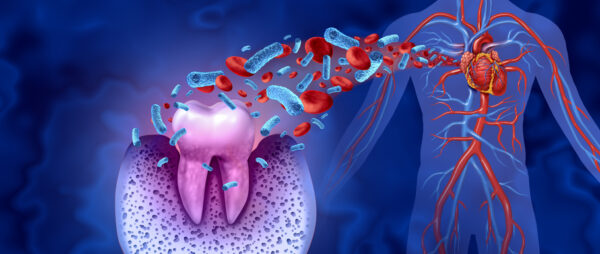
Poor oral health can exacerbate or are linked to other chronic illnesses, such as cardiovascular disease, diabetes, cancer, Alzheimer’s disease, among others. Some people with gum disease have difficulty controlling their blood sugar levels. A properly educated RDH can identify this and more.

The Hidden Administrative Tasks Draining Small Practices
Small practices play a critical role in healthcare delivery, but they cannot continue to absorb ever-increasing administrative demands without consequences.
In addition to screening for oral, oropharyngeal cancer, and other head & neck cancers, dental hygienists screen for symptoms that could indicate a systemic illness:
- A slightly sweet smell of the patient’s breath, a sign that they may be diabetic
- Enlarged tonsils and crowded teeth, potentially indicating an issue with sleep apnea
- A suspicious-looking mole or lesion on a patient’s head or face that may indicate skin cancer
- Dangerously high blood pressure levels, putting the patient at risk for a heart attack or stroke
Many RDHs also perform advanced care modalities like desiccation therapy, guided biofilm therapy, silver diamine fluoride, and salivary testing protocols. Many are eager to practice at the top of their license and passionate about making a difference in patients’ overall health outcomes, in spite of the hygienist stereotype as “tooth aestheticians.”
Why the movement to weaken educational standards will impact patient care
At the worst time possible, some states are considering, or have already passed, legislation to reduce educational standards for entry into the dental profession. Dental hygienists who graduate from a school accredited by the Commission on Dental Accreditation (CODA) receive nearly 3,000 hours of didactic and clinical training. By contrast, Arizona’s new law allows oral preventive assistants with only 175 hours of didactic training and a minimum of 150 prophylactic treatments to perform scaling and polishing above the gumline.
These measures will put more patients at risk of undiagnosed oral, oropharyngeal, and head & neck cancers, advanced oral diseases and potentially deepen other chronic health issues. As it is, more than 40 percent of adults over the age of 30 have periodontitis. About 34 million school hours are lost annually due to emergency dental care. Imagine the larger impact that enabling hygienists and assistants with less training will have on American health without the rigorous preventive screenings that CODA accreditation programs provide.
More than a credential, CODA accreditation is a safeguard that ensures patients receive competent, evidence-based care from dental hygienists who are qualified to prevent oral and systemic diseases.
RDHs: delivering a higher standard of care for every patient
When patients sit in our chair, they trust us to use our knowledge, skills, and training to provide quality care that improves and maintains their overall health and quality of life. RDHs take this responsibility seriously. The longstanding perception that RDHs just clean teeth must change. There needs to be greater recognition of the value of preventive oral health care and more respect and recognition for the role accredited RDHs play in identifying potential health issues early, literally saving and improving lives.
By expanding the scope of practice that RDHs provide – not reducing it – and raising educational standards for dental assistants, we can not only empower RDHs to be the preventive care experts, but make progress toward addressing America’s oral health crisis and mitigating systemic illnesses.
Photo: wildpixel, Getty Images

Lisandra Maisonet is a licensed dental hygienist with more than 35 years of experience in dentistry, including 23 years as a preventive specialist. Throughout her career, she has held numerous leadership roles within professional associations. As director of operations for 26 dental practices and a lead hygienist, Lisandra brings a deep understanding of what hygienists need and is committed to advancing the profession. She also serves as executive director of the Oral Health Awareness Project, an organization dedicated to protecting community oral health by raising public awareness of the essential role of licensed dental hygienists and advocating for policies that prevent substandard, non-accredited dental care practices.
This post appears through the MedCity Influencers program. Anyone can publish their perspective on business and innovation in healthcare on MedCity News through MedCity Influencers. Click here to find out how.