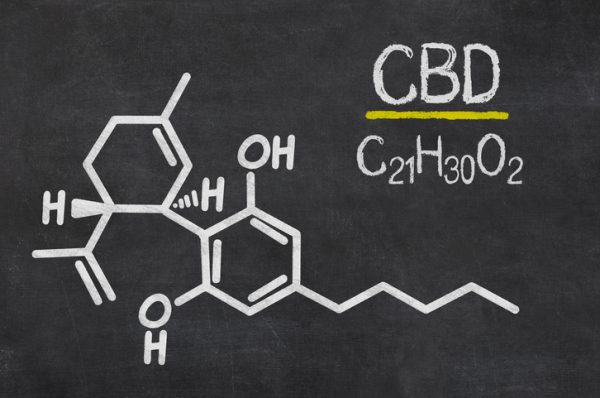
The funding bill passed in November by Congress did much more than end an historic government shutdown – it also paved the way for sweeping changes that, if implemented as planned, will impact the hemp and cannabis markets. As of right now, in November of 2026, products with even a small amount of tetrahydrocannabinol (THC) – as low as 0.4 mg of delta-9 THC – will be banned. Currently, hemp is defined as a product containing less than 0.3% delta-9 THC.
Many opponents of this ban believe it will be the death of the hemp industry, significantly disrupting existing supply chains and interstate commerce of current products containing hemp-derived THC. But as someone who has spent nearly a decade in the cannabinoid (CBD) industry, I believe the 0.3% delta-9 THC loophole needed to be closed and that these changes position this industry towards a brighter future, establishing a new industry standard by separating pure CBD from chemically converted intoxicants.
The current cannabis concern

The Hidden Administrative Tasks Draining Small Practices
Small practices play a critical role in healthcare delivery, but they cannot continue to absorb ever-increasing administrative demands without consequences.
The existing relaxed hemp definition gave rise to products that millions of Americans use every day – from creams and lotions to food and drink additives to popular vapes. Lax regulation created a wild west for the industry, with a plethora of products available at gas stations, grocery stores, and even vending machines!
While many producers in the industry may act in good faith, the current lack of regulation means there’s no assurance that what patients are buying is actually medicinal – rather than recreational products solely used to get high. Further, due to a lack of mandatory product testing, there’s room for inconsistent potency and the potential presence of dangerous contaminants.
Almost all of these over-the-counter and unregulated products contain significant amounts of THC, the psychoactive compound in cannabis responsible for the “high” created. Many of these so-called “hemp-derived THC products” inconspicuously contain hundreds of milligram of THC, using the 0.3% loophole to their advantage to sell THC outside of the regulated marijuana dispensary markets. This loophole was the exact issue Congress recognized and voted to close once and for all in November of 2025.
Benefits of going THC free


RCM Outsourcing: Balancing Human Expertise & Smart Technology
Greenway Health blends smart technology with human expertise to elevate revenue cycle.
To be clear, I firmly agree with the clinical studies suggesting cannabis is a safer and more effective medical treatment for millions of people who suffer from chronic pain, anxiety, neurodegenerative disorders, and those in substance recovery. I also happen to agree medication should be prescribed by a certified clinician, not distributed from a vending machine. That’s what this legislation aims to do.
Eliminating the THC will allow medical-grade CBD to be recognized for what it is – a safe and therapeutic pharmaceutical option for clinicians – not just a trendy additive for the newest wellness craze.
THC-free CBD also removes the biggest barriers that keep many clinicians from embracing cannabinoid therapies. When you take intoxication, impairment, and drug-testing concerns off the table, physicians can evaluate how their patients respond to CBD the same way they evaluate any other therapeutic compound. It becomes a therapeutic tool in their toolkit with a defined mechanism of action, not a supplement with weak clinician oversight.
For clinicians, that shift matters. THC-free formulations eliminate variability in cognitive effects, reduce liability concerns, simplify workplace and athletic compliance, and allow providers to integrate CBD into treatment plans without worrying about psychoactive impairment. Doing so also aligns with what health systems and insurers increasingly require – predictable pharmacology, standardized manufacturing, and documented safety monitoring.
The case for regulation
There must be clear rules and regulations in effect if we are to see medical-grade CBD become widely accepted amongst clinicians. Many over-the-counter CBD products contain between 25-100 mg of CBD. That isn’t enough. This means that people who have previously used a CBD product may incorrectly conclude that CBD “didn’t work for me,” when the fact is they didn’t consume enough CBD to notice the benefits in the first place. This has resulted in patients and clinicians being skeptical about the medicinal benefits of CBD.
Studies have found that patients would most benefit from daily dosages that are more than triple those amounts – between 300-400 mg. That is what makes the new industry standard from the federal government so important. Medicinal CBD should be just that – ultra pure CBD without fillers and THC to create a high. When the patient commits to a CBD treatment plan for several weeks, they get therapeutic benefit.
Regulating medical-grade CBD with a newly adopted industry standard also ensures that products contain no THC. Removal of THC is an important safeguard that many clinicians have asked for, as the addition of THC adds nothing to the potential medicinal benefits of CBD. Clinicians may also have a higher chance of jeopardizing their license because THC is a Schedule 1 substance today under the Controlled Substances Act.
The path forward
Let’s be clear – medical-grade CBD isn’t a miracle cure, but it does hold merit as a safe and effective off-label medicine for several conditions. CBD can also safely be taken as adjunctive therapy with other medications that clinicians prescribe to their patients. Compounded medical-grade CBD is the cleanest path forward to make this beneficial treatment available to patients nationwide.
Ultra pure CBD should only be prescribed to patients by a licensed clinician. Federal regulations would go a long way towards making that possible and finally moving the perception of ultra pure CBD closer to what it actually is – safe and effective medicine.
Photo: Getty Images, Zerbor

Priyanka Sharma, Ph.D., is the Co-founder and Co-CEO of Kazmira Therapeutics, the only personalized CBD therapy care platform for humans and pets using an in-house 503A compounding pharmacy. Dr. Sharma comes from a chemical engineering background and is a key scientific and regulatory thought leader in Colorado’s cannabinoid regulations.
This post appears through the MedCity Influencers program. Anyone can publish their perspective on business and innovation in healthcare on MedCity News through MedCity Influencers. Click here to find out how.