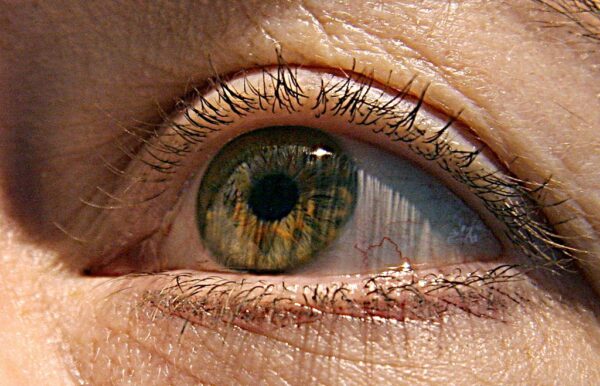
Aldeyra Therapeutics’ drug for dry eye disease has been rejected by the FDA, marking the third time in three years the eye drop has failed to clear the agency’s regulatory bar. The FDA decision also has implications for AbbVie, which holds an exclusive option to collaborate on commercialization of the drug, reproxalap.
The FDA’s latest complete response letter cited issues about the adequacy of the clinical trials for reproxalap and the evidence that these studies generated, Aldeyra said Tuesday. Though the company reported positive findings from its studies, the FDA took a different view. In the letter, the agency said “inconsistency of study results raises serious concerns about the reliability and meaningfulness of the positive findings” and the “totality of evidence from the completed clinical trials does not support the effectiveness of the product.”
Lexington, Massachusetts-based Aldeyra aims to treat eye disorders by targeting reactive aldehyde species (RASP). The body produces these molecules in response to infection, injury, or other triggers. Elevated RASP levels contribute to inflammation, including the inflammation associated with dry eye disease. Reproxalap is a small molecule designed to bind to RASP, leading to degradation of these molecules and the lowering of RASP levels.

The Mechanics of a More Connected Healthcare Ecosystem [Video]
Arbiter’s Anjali Jameson on hospital and payer alignment.
The FDA first turned down reproxalap in 2023, asking the company to conduct at least one more clinical trial. Aldeyra conducted two chamber trials, in which patients spend time in a chamber designed to simulate dry eye exacerbations or flares. These studies compared reproxalap to an eye drop with no active ingredient. A 2024 resubmission was based on results from one chamber trial meeting the main goal of reducing patient-related eye discomfort. But the FDA turned down reproxalap again last April, stating that the application did not demonstrate efficacy in an adequate and well-controlled study.
Last May, Aldeyra reported the second chamber trial met its main goal of reducing patient-reported eye discomfort. Reproxalap was also evaluated in a separate six-week field trial, in which participants administered the study drug or an inactive eye drop and reported eye discomfort weekly. The field trial failed to achieve statistical significance, but Aldeyra said results showed the drug has activity in the eye.
Aldeyra resubmitted the reproxalap application last June, including only the results from the second chamber trial. Just ahead of the Dec. 15 target date for a regulatory decision, Aldeyra announced the FDA asked that the field trial results be submitted, triggering a three-month extension for the drug’s review.
Aldeyra said Tuesday that the FDA recommended that “the reasons for failure in certain trials be explored.” The agency also left open the door for the company to identify populations of patients or certain conditions in which reproxalap may be effective. That said, the FDA is not recommending additional clinical trials or asking Aldeyra to submit additional confirmatory evidence. Aldeyra said it does not plan to conduct more clinical testing but will seek a meeting with the FDA to better understand what the agency requires for reproxalap to secure regulatory approval.
How Artera is Using Agentic AI to Humanize Patient Care
Artera President Tom McIntyre talks about the practical application of AI in healthcare.
AbbVie paid $1 million up front in 2023 to secure its option to collaborate on reproxalap. After the drug’s first complete response letter, the pharma company paid another $5 million to extend the exercise period. If AbbVie exercises its option, it would pay Aldeyra $100 million, minus the option and option extension payments it previously paid. Aldeyra could receive up to $300 million in milestone payments. U.S. commercialization of reproxalap will be shared, with 60% of profits going to AbbVie and 40% to Aldeyra. The biotech would also be eligible for royalties from AbbVie’s sales of the drug outside of the U.S.
As of the end of 2025, Aldeyra reported its cash position was $70 million, which it estimates will support operations into 2028.
“To the thousands of American and Canadian patients who participated in our clinical trials and to the tens of millions of patients with dry eye disease worldwide, I want to assure you that we will work with urgency to support the FDA in enabling market access to what is, to our knowledge, the only drug with clinical activity within minutes of administration in patients with dry eye disease, a condition that is today treated with medications that require weeks or months of treatment to achieve even modest improvement,” Aldeyra CEO Todd Brady said in a prepared statement.
Photo: Karen Bleier /AFP, via Getty Images