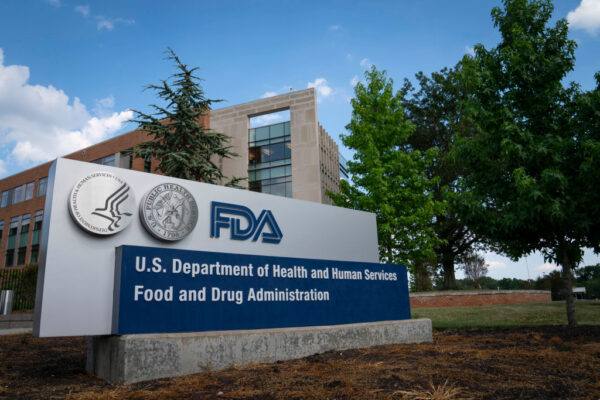
When safety concerns emerged for an FDA-regulated product, the suspected problem could be reported to one of seven online databases. The agency is now consolidating this reporting into a single online platform it says will be easier for the public to search and less expensive for the agency to maintain.
The new system, called the FDA Adverse Event Monitoring System, or AEMS, went live on Wednesday, housing four legacy systems. Three more will move under the AEMS umbrella by the end of May.
According to the FDA, the seven legacy systems processed about 6 million adverse event reports per year. These separate systems were expensive, costing the agency about $37 million a year to maintain. The FDA projects saving about $120 million over the next five years due to efficiencies from AEMS. The new searchable system is also expected to reduce the number of Freedom of Information Act requests for unreleased adverse event reports because AEMS will publish these reports in real time.


MedCity News Pivot Podcast: How Emergency Departments Are Using Real-Time Data to Improve Outcomes
How can AI benefit and improve patient outcome in the emergency department? Watch the latest episode to find out.
The FDA had already been tweaking the reporting of adverse events. Last August, the agency announced that the FDA Adverse Event Reporting System (FAERS), a legacy database spanning drugs, biologics, cosmetic products, and color additives, would be updated daily rather than quarterly. At the time, FDA Commissioner Marty Makary said people should not have to wait months for adverse event reports to become public.
Besides FAERS, the legacy reporting systems now under AEMS are the Vaccine Adverse Event Reporting System (VAERS) and the Adverse Event Reporting System (AERS), which includes two databases for animal drugs and animal foods. The three additional systems that will be consolidated under AEMS by the end of May are the databases for medical devices (MAUDE), human food and dietary supplements (HFCS), and nicotine and tobacco products (CTPAE).
The FDA also said it will migrate historical adverse event data to AEMS and decommission certain legacy systems. When the rollout is complete, the FDA said AEMS will contain real-time adverse event reports for all FDA-regulated products and presentation of the information will be consistent with obligations to not disclose individually identifiable patient or consumer information.
AEMS does not overcome all limitations of the old systems. Adverse events posted to the legacy databases were unverified, and events listed in AEMS will also be unverified. As with the legacy systems, a listing in AEMS does not mean a particular product caused a particular event. The FDA also said the new system may include duplicate or incomplete reports and the rates of occurrence of an event cannot be established by these reports. These limitations are included in a disclaimer that appears before a user can access AEMS. But the FDA also hopes the new system will lead to better data.

The Mechanics of a More Connected Healthcare Ecosystem [Video]
Arbiter’s Anjali Jameson on hospital and payer alignment.
“FDA anticipates that this increased transparency will help to spur the submission of more detailed and complete reports from consumers, health care providers and other members of the public,” the agency said. “Complete and detailed reports are immensely helpful to the agency when monitoring the benefit-risk profile of regulated products throughout their entire lifecycle.”
The FDA’s transparency initiatives have also extended to its interactions with companies. Last summer, the FDA began publishing complete response letters for drugs that failed to win regulatory approval. Proprietary information remains redacted, but the FDA said releasing the letters stops companies from misrepresenting the agency’s reasoning for a negative regulatory decision. The regulator also said making these letters public will inform other companies about how they can avoid similar outcomes.
Photo: Getty Images, Sarah Silbiger