
Medical jargon can feel – and read – like it’s its own made up language.
So, it’s no surprise that nearly 9 out of 10 adults struggle with health literacy.
According to the National Library of Medicine, even people with high literacy skills may have low health literacy skills in certain situations. For instance, someone who is stressed and sick when they’re accessing health information may have trouble remembering, understanding, and using that information.

Survey on the Healthcare Financial Landscape Offers a Roadmap for Stakeholders
Zelis highlights how employers, payers, and consumers are integrating digital tools to manage healthcare costs.
And that doesn’t even take into consideration the elephant in the room to better health literacy – language.
Over 25 million people in the United States have limited English proficiency (LEP) – a barrier particularly prevalent in Medicaid populations. And over 67.3 million people in the U.S. speak a language other than English at home.
But when patients and providers do not speak the same language, it can have a negative, cascading impact on the health and well-being of individuals who are not proficient in English.
At a baseline, patients with low health literacy or who are not proficient in English may not comprehend the importance of vital, preventative services or how to care for their unique health needs. It can also lead to mistrust of healthcare providers in general, and potentially allow for the spread of disinformation, as individuals turn to unreliable — and potentially even dangerous — sources for information, such as online influencers and others.

Beyond Analytics: How Sellers Dorsey is Hard-Coding Value into Medicaid Policy [Video]
How to turn analytics into actual policy outcomes.
So how do we begin to bridge this language gap?
Remember, over 67 million speak a language other than English in the comfort of their own home. Providing vital health information in the language that patients speak is critically important – and it’s something that many healthcare providers and health plans are proactively doing.
It’s a good start.
But truly improving health literacy amongst LEP individuals isn’t just a multi-language insert or a plug-and-play “translation.” It’s about giving patients culturally and linguistically relevant tools and resources to bridge the gap in health literacy, inspire self-confidence, and self-efficacy.
It’s important to use food as the vehicle – and universal language — to advance health literacy. Food preferences are deeply rooted in an individual’s cultural identity. This must be considered in order to effectively incentivize – and confidently inspire — a member to engage in their healthcare quality outcomes and increase their overall health literacy.
Food must connect with one’s culture and language to make a true impact in advancing health literacy. We must empower individuals with culturally and linguistically-relevant information about their benefits and health – tools that in turn encourage them to adopt a proactive and informed approach to their well-being.
On top of this, customized educational resources can be not only informative but also easily comprehensible, ensuring that everyone — regardless of their literacy level or primary language — can understand and benefit from the content. These resources inspire self-confidence and self-efficacy in those who otherwise would have difficulty understanding their health because of a language barrier.
Advancing health equity and improving health literacy isn’t just about translation – it’s about human connection.
Photo: designer491, Getty Images
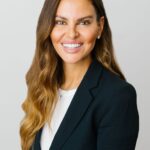
Ashley Tyrner-Dolce, once a single mom on Medicaid and food stamps, is the founder and CEO of one of the fastest growing healthcare services companies, FarmboxRx. Ashley’s lived experiences drove her to challenge the status quo and pioneer FarmboxRx’s innovative solution to improve health outcomes while getting healthy food to those who need it most.
Having appeared in various national news publications including TIME, being named the leader of one of their 100 Most Influential Companies of 2024, Forbes, CNN, BBC, and TODAY Show, Ashley is an advocate for advancing food access and health education to underserved populations. From creating partnerships for Michelle Obama’s Let’s Move Campaign to speaking around the country on healthcare, food policy, and entrepreneurship, Ashley has a clear conviction that everyone deserves the right to eat healthy.
This post appears through the MedCity Influencers program. Anyone can publish their perspective on business and innovation in healthcare on MedCity News through MedCity Influencers. Click here to find out how.