
How Senior Care Bounced Back – And What Smart Leaders Can Learn From It
With life expectancy rising again post-pandemic, Americans increasingly are turning to senior communities.

Joel Theisen RN, BSN is chief executive and founder of Lifespark, an industry leading COMPLETE Senior Health company based in Minnesota. He is passionate about empowering all seniors to Age Magnificently!
With life expectancy rising again post-pandemic, Americans increasingly are turning to senior communities.

As many as 25 percent of all ER visits by older adults come from people with dementia. A better alternative is urgent medical response at home – working with seniors in their own familiar place without the pressures, distractions, or costs of a bustling ER. Or the endless wait times.


Greenway Health blends smart technology with human expertise to elevate revenue cycle.

Carter entered hospice care in his home, more than a year ago, and has set an inspirational example of how to live your last days on Earth with hope, meaning, and vigor.

By forcing providers to coordinate and take responsibility for the overall health of customers, Medicare Advantage can promote the healthcare change we need. It’s a philosophical shift that makes providers think more like insurers and less like businesses that are rewarded for volume, not results.
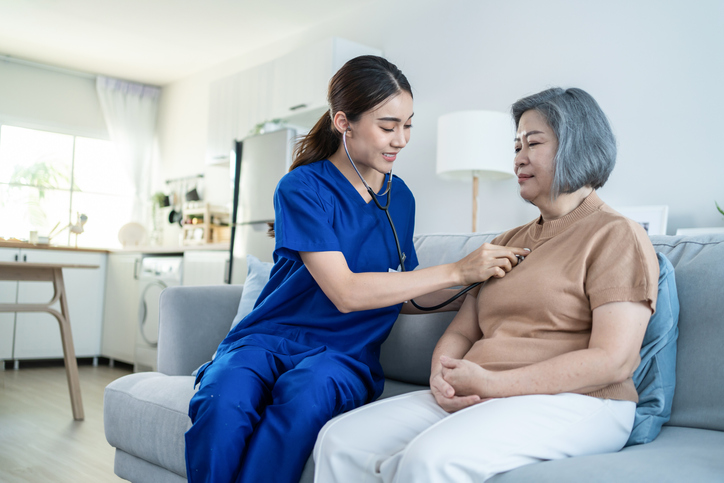
Let’s tear down the silos that transport seniors through the classic stages of hospitals, rehab, assisted living, and nursing homes. Value-based care or better yet, global risk, has a way of disintegrating these silos. If providers want to get paid, they must collaborate. That means instead of treating a singular issue, we must reach out to the rest of the ecosystem, coordinating treatment and driving together toward a meaningful outcome.