Empathetic AI Nurses Can Vastly Improve Nurses’ Work and Patient Care
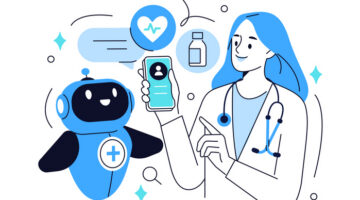
The AI revolution doesn't mean erasing the value of humans. It means giving nurses more time to do what they signed up to do — deliver care directly to patients.
When applied with a rigorous, subject-matter-expert guided process, AI-currated RWD is an essential resource giving life science organizations new power to monitor the diverse variety of ways drugs are actually utilized post-approval.
AI can help health plans reduce friction, speed revenue-cycle throughput, and improve member experience, but only when it is deployed with strong data discipline, modern integration patterns, and a governance model that treats AI as “augmented intelligence,” meaning powerful, assistive, and accountable.
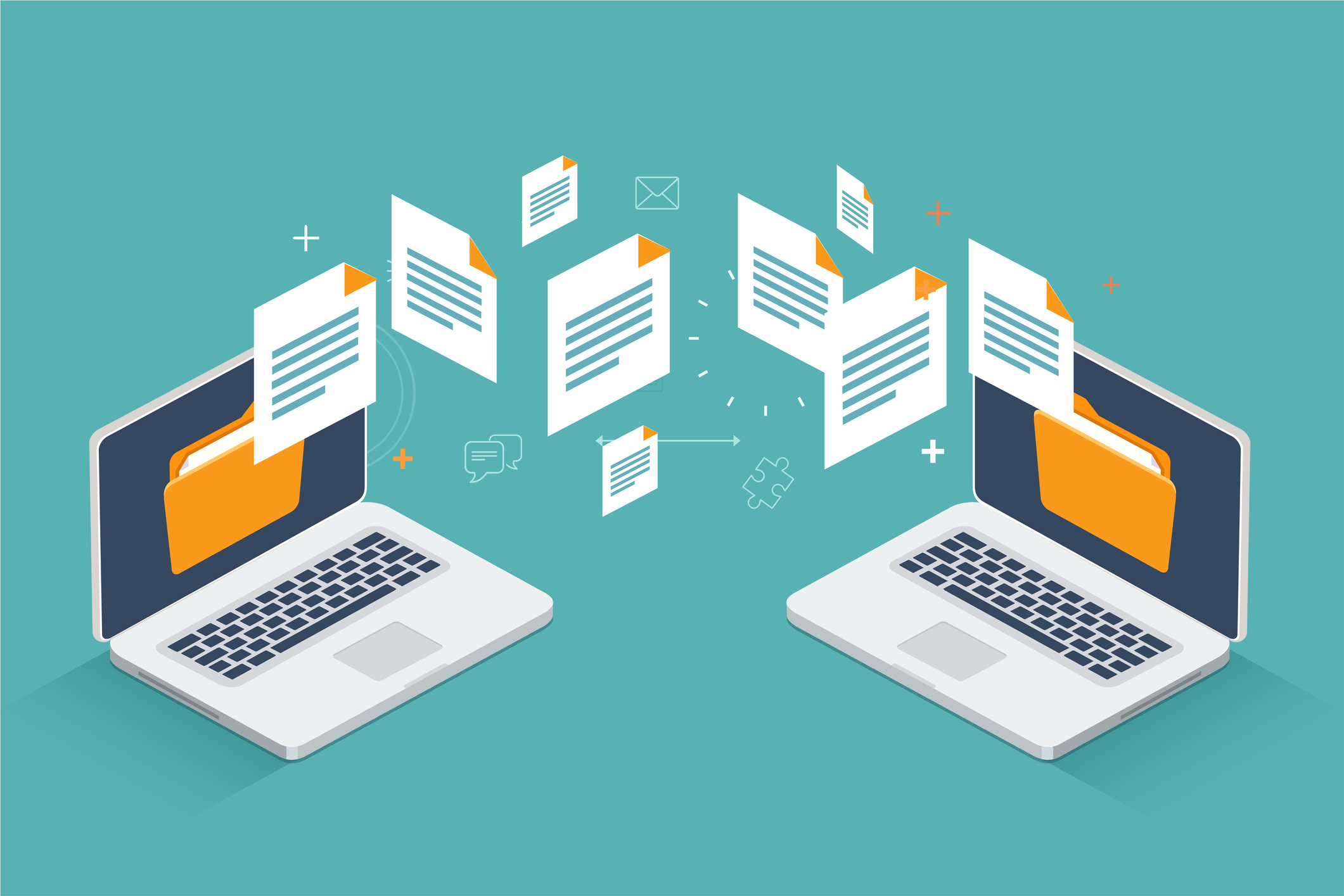
Healthcare cannot achieve its goals for quality, equity, and value without breaking down the persistent barriers that keep critical information siloed across sectors.
We now have technology that can address the problems faced by so many rural hospitals, improving both patient outcomes and an organization’s bottom line.
Small practices play a critical role in healthcare delivery, but they cannot continue to absorb ever-increasing administrative demands without consequences.
When AI is honest and acts as a connector in healthcare workflows, clinician time is freed up, accuracy is ensured, and revenue is protected.
The real value of AI in post-acute care is not how quickly it can process documents, but whether it can provide foresight. That means understanding how clinical indicators, regulatory requirements, and reimbursement rules interact, and identifying risk before it turns into a denial or an audit finding.
Confirmed diversion cases do not equal true prevalence - they are directly dependent on investigative proficiency, tooling, and the bandwidth of the teams doing the work.
Billing frustration isn’t just a provider problem; it’s a patient problem too. Every delayed claim, every error, every confusing denial ultimately affects the person receiving care. Now AI can reduce that friction.
Enterprise EHR boosts scalability, interoperability, and governance for large healthcare systems.
We’re losing the patching battle and therefore the ransomware war. Here's how healthcare can change its perspective, improve patching, and better block ransomware pathways.
AI and analytics offer a path forward that prioritizes smarter workflows, coordination between teams, and better visibility into system performance. The organizations best positioned will be the ones that invest in responsible innovation, interoperability, and tools that make a difference in their daily work.
As hospitals adapt to a landscape marked by staffing shortages, financial pressure and escalating safety concerns, security can no longer operate as an afterthought or a cost center. It must be a strategic enabler that protects the workforce, which in turn protects everyone else.
For many organizations, the workload has become too large for manual review alone. AI and automation are stepping in, not to replace the human element, but to restore focus to it.
By adopting a modern digital payment solution, payers can streamline operations, improve provider relationships and reduce fraud exposure. Most importantly, they gain a flexible, scalable foundation built to meet today’s demands and tomorrow’s challenges.