
AMA Calls on Congress to Improve Safeguards for AI Mental Health Chatbots
The American Medical Association is urging Congress to add safeguards for AI mental health chatbots amid safety concerns, while noting their potential to expand access.
The American Medical Association is urging Congress to add safeguards for AI mental health chatbots amid safety concerns, while noting their potential to expand access.

Verily has launched a free consumer health app that aggregates users’ medical records, helps them track their habits and delivers personalized preventive care recommendations. The app also features an AI-powered health assistant that contextualizes users’ data.


We'll explore why the next era of payer performance will depend on building a trusted data foundation that connects people, providers, and relationships across the enterprise.

As AI chatbots become a surrogate for human connection amid a national mental health crisis, experts are worried about these tools’ lack of safeguards — with research showing the models can provide dangerous, sometimes fatal, advice. Regulators and providers alike are scrambling to catch up with a technology that evolves faster than humans are able to understand.
Medical chatbots have the potential to shape the future of healthcare data retrieval and decision-making support. But this can’t become a reality unless precautions are taken to make sure the answers are both grounded in reality and extracted from reliable sources.

In reality, the healthcare sector is, in many ways, the ideal place for AI to be used. After all, it’s one of the few industries with access to a treasure trove of precisely the kind of high-quality data with which AI operates best.
Patient communications platform Artera teamed up with healthcare AI startup Hyro to launch a new chatbot-style assistant for providers’ websites. Using the information already available on the provider’s website, the chatbot can answer patients’ questions 24/7. Some sample questions include “What are the office hours for the radiology department?” and “Where do I park for my visit?”


By reducing administrative burden and redesigning workflows around human needs, it creates space for what matters most: connection between clinicians and patients.

Flush with cash, Munjal Shah paints a tantalizing picture of healthcare where AI nurses trained to be chronic disease nurse specialists can take care of every chronic disease patient in America. There's both sincerity and bravado in the vision. Let's just hope that Shah's second venture in healthcare won't fail and be embroiled in lawsuits from angry employees and creditors.

The healthcare AI space will be an exciting one to watch over the next couple years, as investment dollars flow to startups and providers launch more AI pilots. Two of the most interesting trends to watch will be the use cases that healthcare organizations prioritize when deploying generative AI models, as well as M&A activity within the healthcare AI field, a CB Insights analyst declared during a recent webinar.
Hyro — a New York-based startup selling a conversational AI platform for providers — recently closed a $20 million Series B funding round. The platform is "mostly plug-and-play" and requires minimal effort and resources from providers, CEO Israel Krush said.
While human empathy will never be replaced, AI technologies and ChatGPT are providing new possibilities to help healthcare providers engage more efficiently with their patients and streamline administrative duties so physicians can focus more on their patients.


Veradigm examines key clinical trends, comorbidity profiles, and treatment trends across adolescence, reproductive years, and peri-/post-menopause. Download it today!
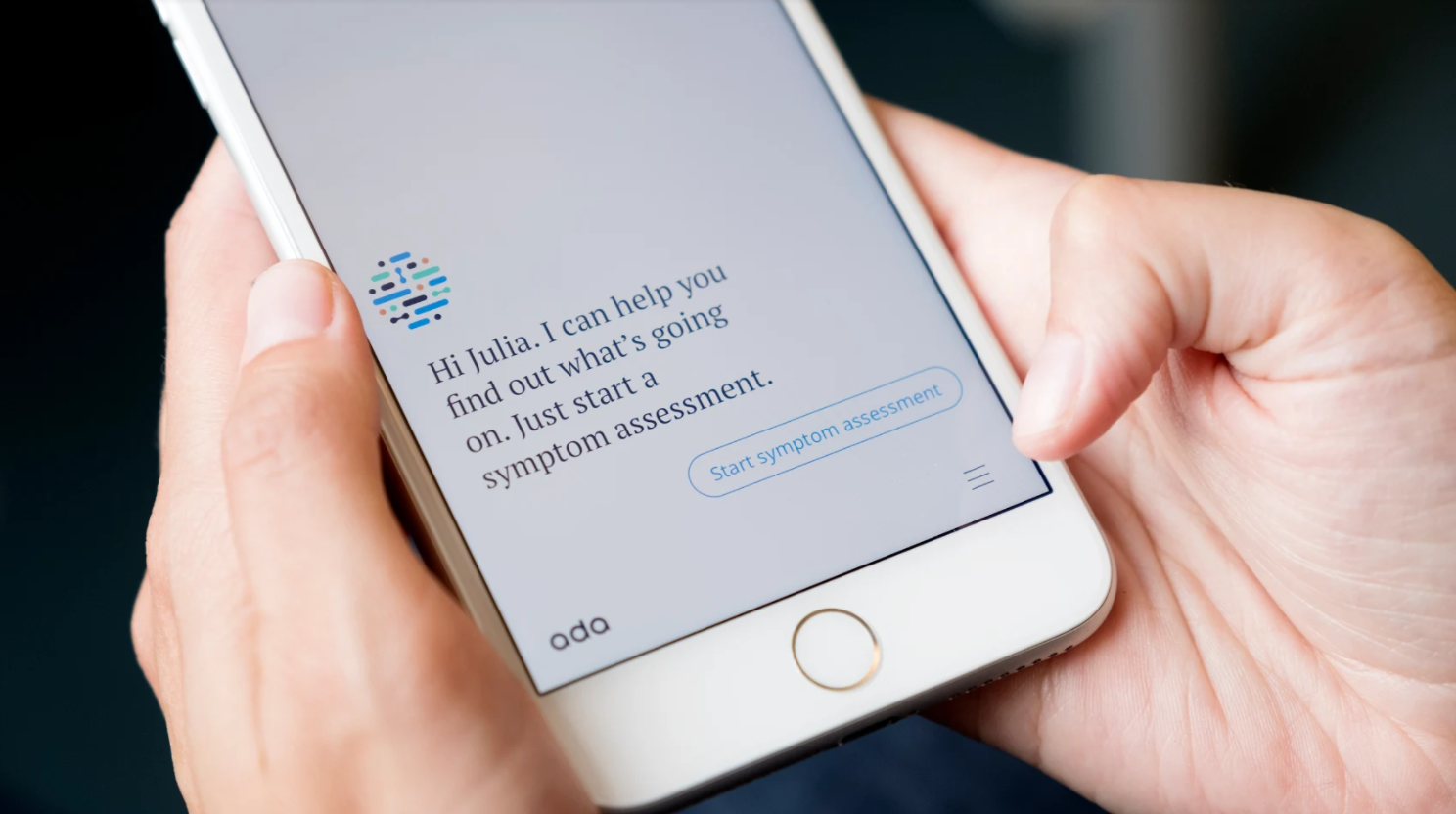
Ada Health recently announced that Jefferson Health is deploying its technology across its entire enterprise as part of a digital front door initiative. The Berlin-based company’s AI-powered symptom assessment and care navigation tools helps health systems achieve a robust digital front door, which means staff members don’t have to spend as much time triaging patients or helping them navigate the process of finding care.
Already, ChatGPT has been named as a co-author on at least four research papers. With proper management, AI generation could be an invaluable tool in clinical research—but only if we are mindful of the potential risks and biases that may arise from their usage and ensure transparency, fairness, and accountability in their use.

The partnership is with PlanSource, a benefits administration company. By working with PlanSource, Wysa can be offered as a mental health benefit option for PlanSource's network of small to mid-sized employers.

Wysa, a company that provides AI-driven mental health support through an app, received $20 million in series B funding. The company differentiates itself from competitors by providing support 24/7, its CEO claims.
Using natural-language processing and speech recognition technologies, startups are now creating chat-bots and other apps that can, to a remarkable extent, accurately replicate the experience of chatting with a receptionist or nurse.