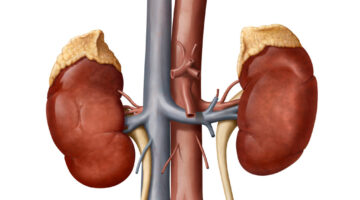
Why Kidney Care’s Biggest Investment Wave Hasn’t Moved Hospital Costs
The problem may not be the investment. It may be the target of the intervention.
The problem may not be the investment. It may be the target of the intervention.

Interdisciplinary coordination between nephrologists, primary care providers, pharmacists, dieticians, and everyone who interacts with patients is essential to ensure patient education, improve adherence, and reduce medication errors.


What if health plans could identify member decline before an avoidable hospitalization occurs? Real-time clinical visibility into long-stay SNF members uncovers risk earlier and drives better outcomes.

VBC models deliver significant benefits for CKD management by coordinating medical, behavioral, and social support through multidisciplinary teams. This approach enables providers to personalize care, address barriers to access, and use data-driven strategies to identify and prioritize high-risk patients.
This requires leveraging technology and partnerships in new ways to break down traditional barriers, designing therapies to fit more seamlessly into patients’ lives, and creating more equitable access to life-sustaining treatments.

With positive Phase 1 results for the metabolic disorder drug MZE782, Maze Therapeutics plans to advance the small molecule to Phase 2 tests in phenylketonuria and chronic kidney disease. Following the data readout, Maze raised $150 million in a private placement.
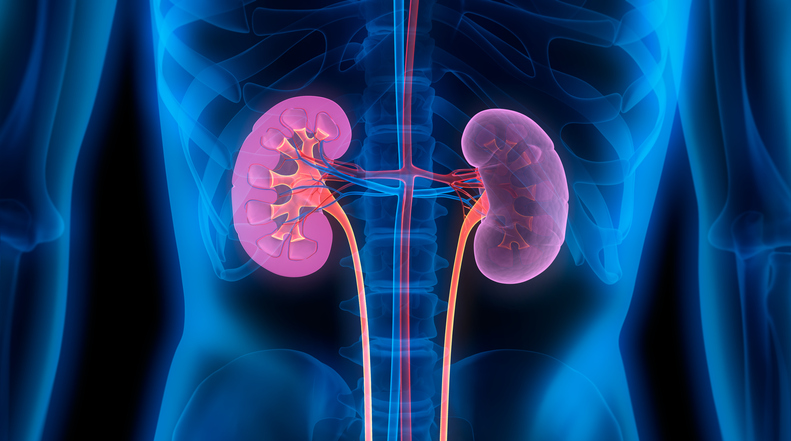
A systemic change from FFS to VBC would represent more than a payment model switch, but rather a holistic transition toward patient-centered healthcare that prioritizes outcomes over activity.


In an interview, Kyan Health Co-Founder and Chief Commercial Officer Konstantin Struck discussed how Kyan gives mid-market and enterprise employers access to premium workforce mental healthcare, at a price point that is affordable.

FibroGen secured regulatory approvals for roxadustat in China and Europe, but the FDA rejected the drug and asked for another clinical trial. By selling its China business to AstraZeneca, FibroGen can focus on developing a prostate cancer drug and potentially resuming development of roxadustat in another indication.
The consequences for not prioritizing new guidelines for CKD screening have a devastating impact on population health by increasing the global mortality rate and driving higher healthcare costs.

Novo Nordisk’s type 2 diabetes drug Ozempic has expanded its label to include chronic kidney disease. The new FDA approval comes as makers of GLP-1 drugs work to expand the uses of these products.
Digital solutions are changing the way CKD is managed. Through enhanced connectivity and personalized care plans tailored to individual patient needs, digital technologies allow patients to take proactive steps in managing CKD.


By reducing administrative burden and redesigning workflows around human needs, it creates space for what matters most: connection between clinicians and patients.

No one should ever learn about CKD after their kidneys have already failed.
The Phase 3 results for ocedurenone come less than nine months after Novo Nordisk acquired the drug from KBP Biosciences. Novo Nordisk has stopped the clinical trial in uncontrolled hypertension and chronic kidney disease, but is evaluating potential applications of the small molecule in other indications.
People do not have to die waiting for a kidney. A VBC approach can lead to earlier identification of kidney disease and better management in its earlier stages.
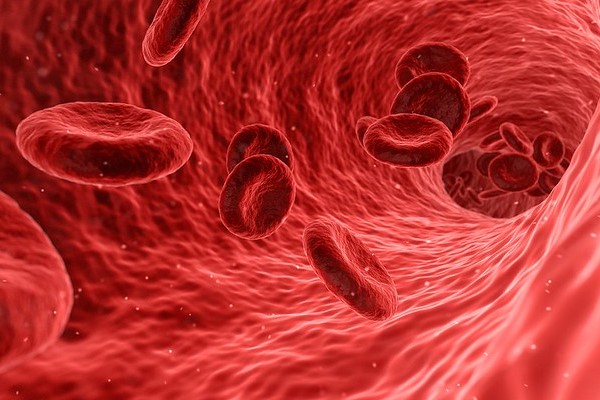
Approval of Akebia Therapeutics’ Vafseo is based on additional post-marketing safety data from Japan, where the drug has been used since 2020. The FDA rejected the drug two years ago due to concerns about cardiovascular safety.

Blockbuster Novo Nordisk drug Ozempic now has clinical trial results showing statistically significant reductions in the risk of kidney disease progression. The company said these results support the expansion of the drug’s label to chronic kidney disease.