
How to Keep Clinicians Satisfied, the Ascension Way
Ascension is pushing AI beyond note-taking to tackle the billing, order entry and nursing handoff work still weighing on clinicians after a patient visit ends.
Ascension is pushing AI beyond note-taking to tackle the billing, order entry and nursing handoff work still weighing on clinicians after a patient visit ends.

UnityPoint Health's chief medical officer, Gregory Johnson, shared several ways the system is using AI to lift administrative burden off clinicians and get them back to patient care — including ambient scribing, real-time capacity tracking and AI-powered chart review.


Discover the top AI-powered EAP providers for 2026. Compare platforms like Kyan Health and Spring Health on triage speed, global reach, and clinical quality to transform workforce wellbeing.

Rural health system Reid Health is using Abridge's AI-powered documentation tech to reduce burnout among nurses. It appears to be working — after-shift charting is down by up to 45 minutes, and the RN vacancy rate has been cut more than in half, said Misti Foust-Cofield, Reid’s chief nursing officer.
Addressing the burnout demands integrated systems that lighten administrative burdens rather than compound them.

Dr. Wendaline VanBuren, a radiology chair at Mayo Clinic, thinks that AI is in the beginning stages of improving radiologists’ workflows. Some of the most developed radiology AI research projects at Mayo center on image segmentation and 3D printing, she said. In the future, she’s excited to see more tools that aid radiologists in triage and lesion measurement.

Patient safety and lack of autonomy are two of the biggest factors driving so many clinicians away from the medical field, according to a new EY report. Clinicians feel like they aren’t able to provide patients with the quality of care they need and deserve due to workforce shortages, resource constraints, and health system policies over which they have no control.


We have the opportunity to design systems that give people greater capacity for the work where human presence matters most: listening, understanding, reassuring, deciding, and caring.

At HLTH, Shaun Miller — Cedars-Sinai's chief medical information officer — pointed out one thing he thinks healthcare AI companies haven’t quite gotten right yet. He said he would “really like there to be a lot more recognition around the personalization of AI and the ability for technology to understand that not every clinician is the same.”

UNC Health published a study showing that Laudio’s automation software saved the health system $5.4 million in annual nurse turnover costs. The startup's technology automates administrative tasks for frontline nurse managers — such as patient rounding, schedule making, and quality and safety checks.

This year, HCA Healthcare and Google Cloud have expanded their partnership by exploring ways to integrate Google’s generative AI into HCA’s workflows. The most developed project under this initiative is a pilot that began in February in which HCA’s emergency department physicians are testing a voice-enabled medical dictation tool to save them time on clinical documentation.
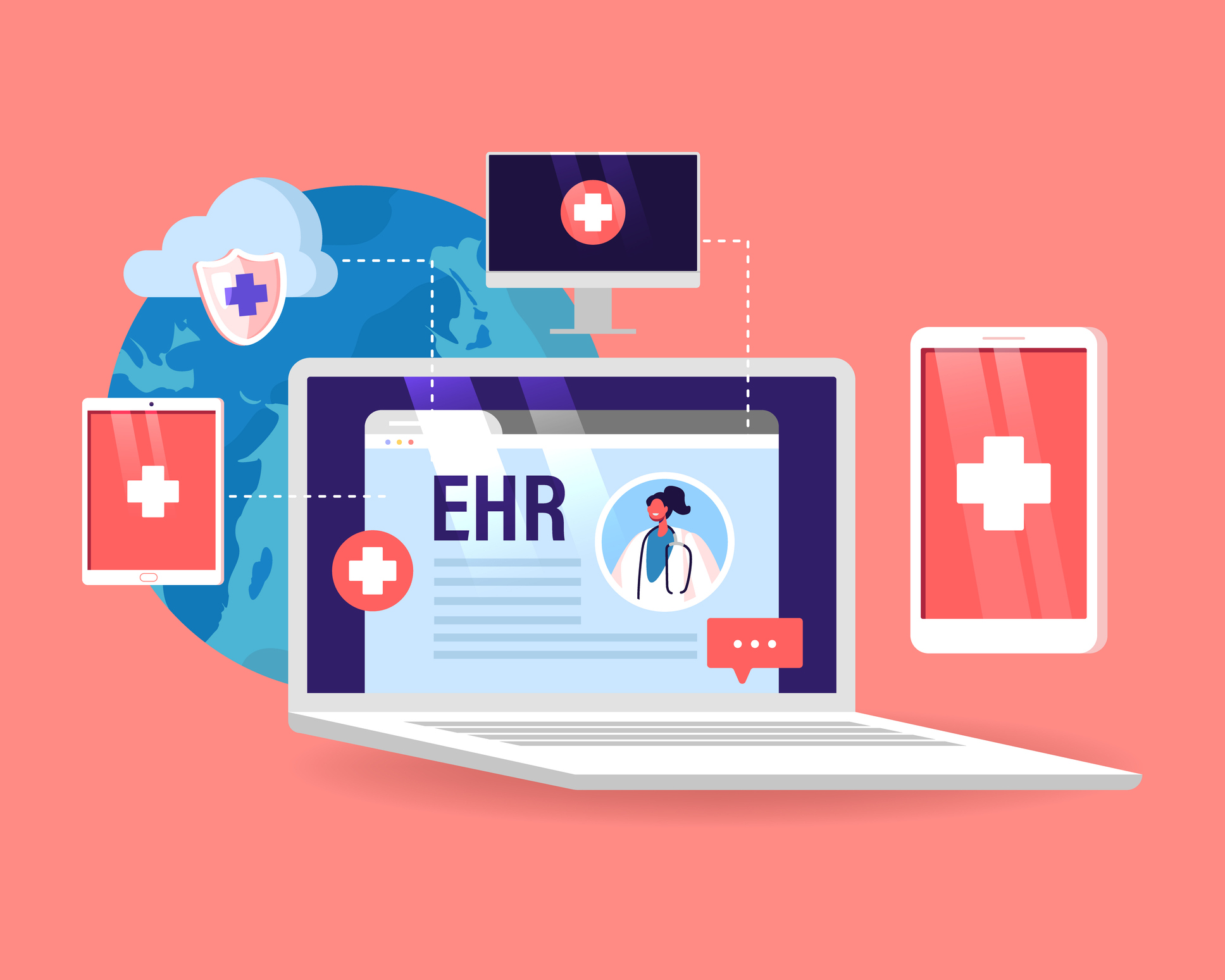
Over the past year, Meditech has deepened its relationship with Google Cloud by exploring ways to embed Google's generative AI into its EHR. Some of the use cases the EHR vendor is exploring include an enhanced search and summarization tool that would present clinicians with a longitudinal view of their patient and a tool that would auto-generate clinical documentation for the hospital course summary.
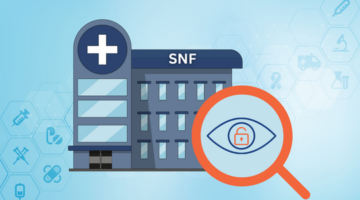
What if health plans could identify member decline before an avoidable hospitalization occurs? Real-time clinical visibility into long-stay SNF members uncovers risk earlier and drives better outcomes.

Regard — a startup selling an AI co-pilot that helps clinicians diagnose medical conditions — announced a new partnership to add to its technology's capabilities. The company is teaming up with OpenAI to release new chatbot functionalities built on OpenAI’s large language model GPT-4.

Amazon recently unveiled HealthScribe, an API that software companies can use to create clinical note generation apps that providers can later adopt. With this approach, Amazon is seeking to collaborate with companies that are building clinical documentation AI apps rather than compete with them. Some think this approach is clever, but others think it does little to facilitate bi-directional EHR integration and create standardization.

Many healthcare workers prefer providing at-home care because it allows them to provide more personal, less hectic care than they can on the hospital floor, said Current Health CEO Chris McGhee. He thinks health systems should realize that switching more healthcare workers to at-home care could help alleviate the burnout crisis and improve staff retention levels.

NLP in healthcare can accurately give voice to the massive amount of unstructured data of the healthcare universe, and here are the three reasons why I believe 2023 is the year that we will see increased adoption of NLP across the industry.
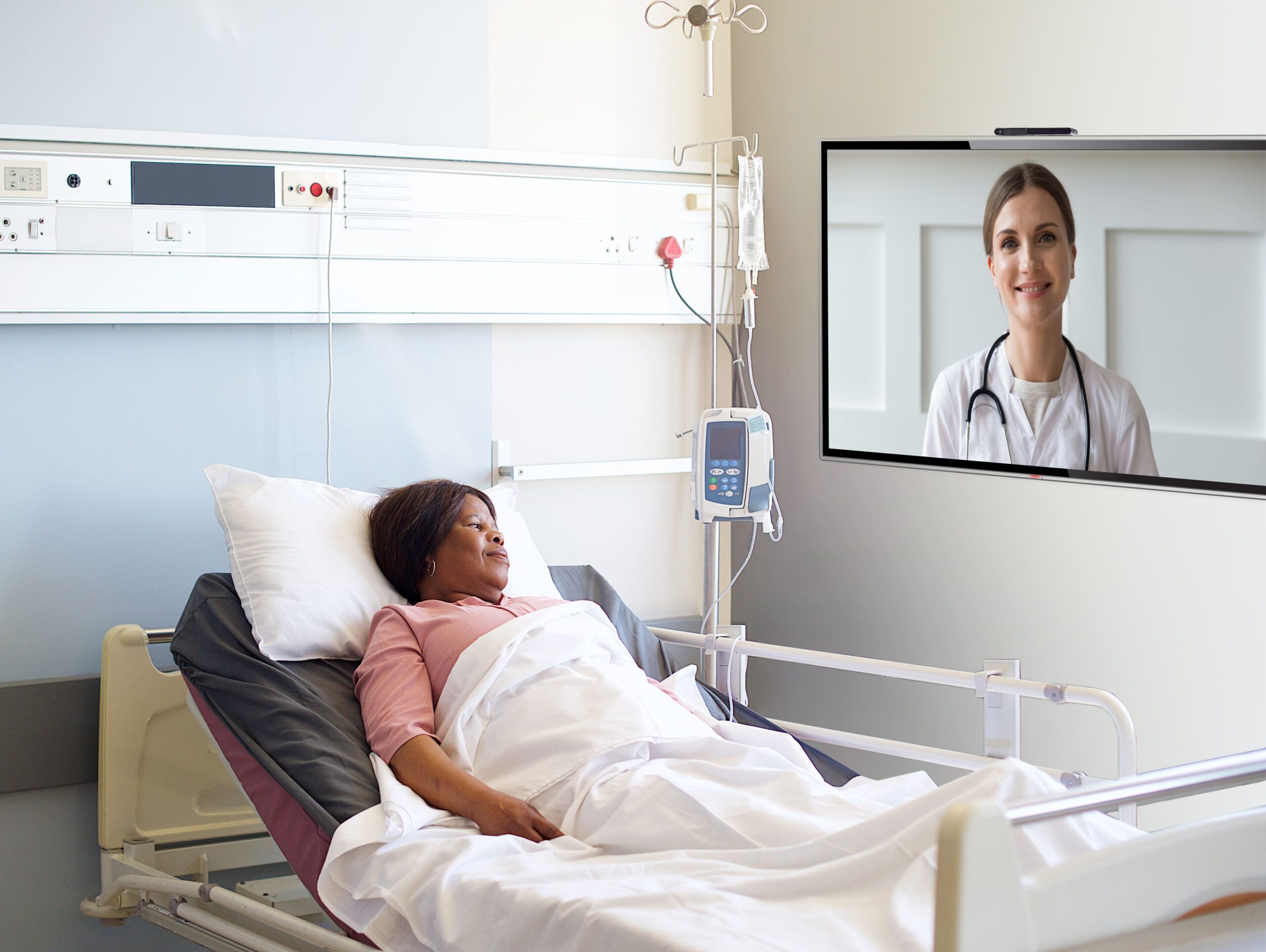
LG launched the first solution to come from its collaboration with Amwell. The product, called the Carepoint TV Kit 200L, is in beta testing but will soon be sold to hospitals to help clinicians virtually connect to patients’ rooms. Powered by Amwell’s Converge platform, the product is aimed at helping clinicians more easily engage with patients amid healthcare's workforce shortage crisis.