
Contraline Secures $92.5M to Push Its Male Birth Control Candidates Forward
Contraline raised $92.5 million in new funding to advance its two male contraceptive candidates, including a once-daily topical gel and an implantable option.
Contraline raised $92.5 million in new funding to advance its two male contraceptive candidates, including a once-daily topical gel and an implantable option.

Contraline released promising new trial data showing that its male contraceptive gel has demonstrated safety and efficacy in the first two trial participants to reach the two-year mark. The company is aiming to earn the product’s FDA approval by the end of 2028, according to CEO Kevin Eisenfrats.


In an interview, Kyan Health Co-Founder and Chief Commercial Officer Konstantin Struck discussed how Kyan gives mid-market and enterprise employers access to premium workforce mental healthcare, at a price point that is affordable.

Investing in reproductive health is not only a strategic financial move but also a moral imperative. By channeling our investment dollars into the critical areas described above, we can support innovative solutions, expand access to essential services, and uphold the fundamental rights of women across the nation.

Under the Affordable Care Act, most private health insurance plans are required to cover birth control methods approved by the FDA without out-of-pocket costs. But not all plans are doing this, Bernie Sanders declared in a letter.
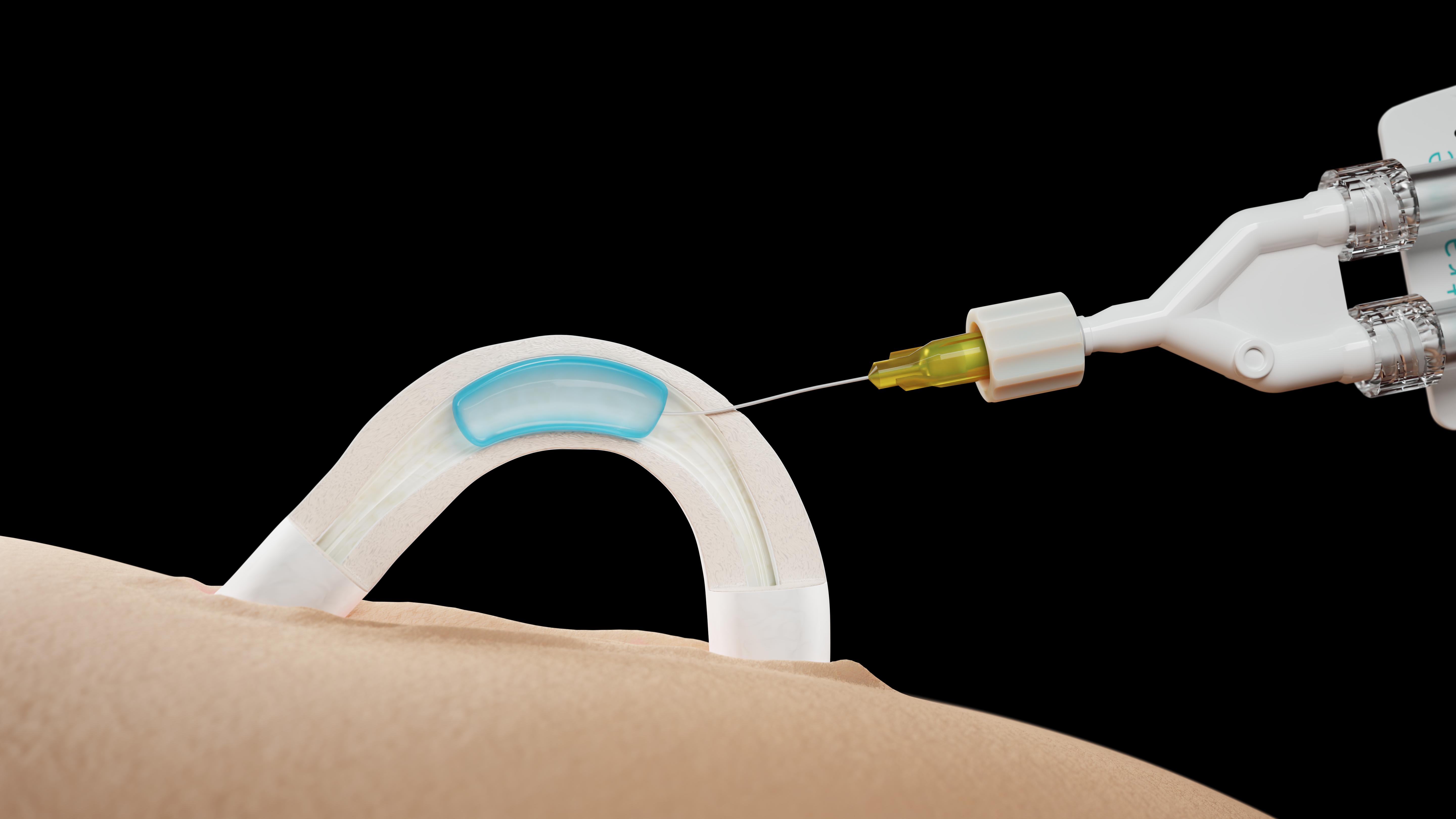
Contraline released promising data from the clinical trial it’s conducting to test the efficacy of Adam, its male birth control product. The nonhormonal gel seems to be doing a good job of blocking the flow of sperm to the vas deferens, and no serious adverse events have been reported.

Representatives from the Guttmacher Institute and NFPRHA shared their wins and losses for reproductive health in 2023. Their wins include states moving to protect contraception and the approval of Opill, while their losses include state enactments of abortion bans and the lack of funding for Title X.


By reducing administrative burden and redesigning workflows around human needs, it creates space for what matters most: connection between clinicians and patients.

Several senators wrote a letter to the Biden Administration asking for action that ensures coverage of over-the-counter birth control without the need for a prescription. The letter was led by Senators Patty Murray (D-Washington), Tammy Baldwin (D-Wisconsin), Bernie Sanders (I-Vermont) and Ron Wyden (D-Oregon).

Under the proposed new rule, employers are no longer able to be exempt from covering contraception due to moral convictions, but religious exemptions still remain. It's an important move from the government during the reproductive health crisis, one advocate said.

Medical device company Contraline became the first to implant a hydrogel-based male contraceptive gel into humans in a clinical trial. Implanted during a noninvasive 10-minute office procedure, the gel promises to block the flow of sperm to the vas deferens. If proven safe and effective, it could become the first nonhormonal, reversible contraceptive for men on the market.
The investigation also found that companies denied exceptions requests on average four or more times out of ten, raising barriers to accessing birth control, according to a news release on Tuesday.

We are taking a look at how health insurers are using AI, defining success, and managing cybersecurity risks. Give us your opinions by completing our brief, anonymous survey.
The judge’s ruling mentioned the Supreme Court decision in Burwell v. Hobby Lobby multiple times, which said that the chain of stores did not have to cover contraception since it violated the RFRA.

Some ethicists and advocates say it represents a double standard, citing evidence that female contraception also may be related to depression and other side effects. They argue men are being protected from the same unpleasant consequences that women are forced to accept.
Intrauterine devices (IUDs) are a 99 percent effective, insertable form of long-acting contraception (lasts for years), which use copper or hormones to block sperm from fertilizing eggs. They have become an increasingly popular form of contraception, but many pediatricians providing birth control for teens haven’t been trained to insert them. Gynecologists are up-to-date with the […]
NEW YORK (Reuters Health) – Girls who became pregnant before age 15 were more likely to report having sex with much older partners and initially forgoing contraception than their slightly older peers, according to a new study. Nearly 36 percent of girls who first got pregnant before age 15 had sex for the first time […]
Remember how Hobby Lobby got the courts to allow them exemption from providing contraceptive coverage on religious grounds? Yesterday, the Obama administration made a request to the U.S. Supreme Court: make a decision regarding contraception coverage under Obamacare. Reuters reports Obama specifically wants the Hobby Lobby decision made in Denver reversed. “It’s no different from […]