
Contraline Secures $92.5M to Push Its Male Birth Control Candidates Forward
Contraline raised $92.5 million in new funding to advance its two male contraceptive candidates, including a once-daily topical gel and an implantable option.
Contraline raised $92.5 million in new funding to advance its two male contraceptive candidates, including a once-daily topical gel and an implantable option.

Contraline released promising new trial data showing that its male contraceptive gel has demonstrated safety and efficacy in the first two trial participants to reach the two-year mark. The company is aiming to earn the product’s FDA approval by the end of 2028, according to CEO Kevin Eisenfrats.


We have the opportunity to design systems that give people greater capacity for the work where human presence matters most: listening, understanding, reassuring, deciding, and caring.

In this episode, we’re joined by Régine Sitruk-Ware, a distinguished scientist at the Population Council’s Center for Biomedical Research (CBR), and Chelsea Polis, senior scientist of epidemiology at CBR. They talk about the effect upcoming male birth control products could have on women's health.
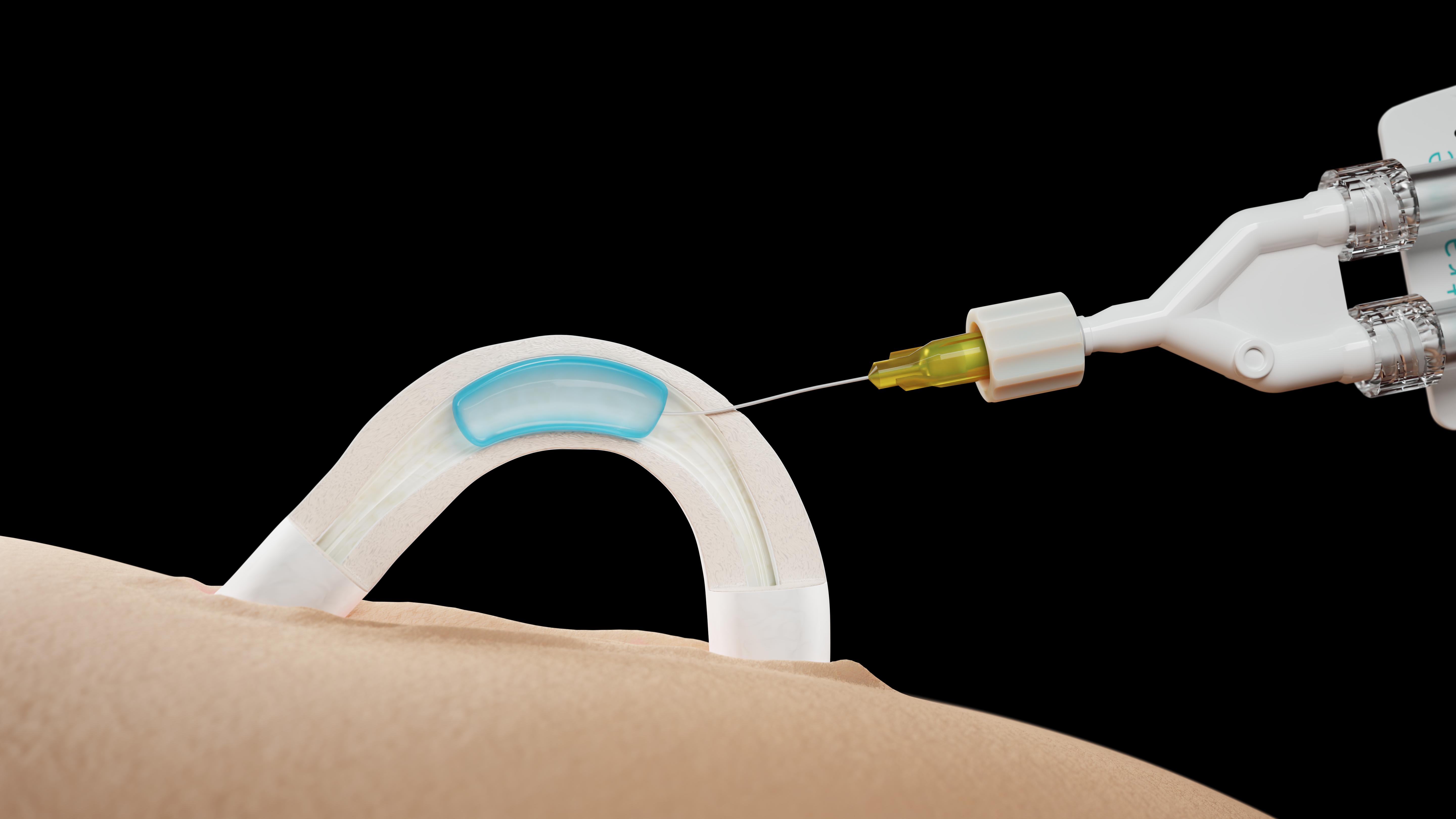
Contraline released promising data from the clinical trial it’s conducting to test the efficacy of Adam, its male birth control product. The nonhormonal gel seems to be doing a good job of blocking the flow of sperm to the vas deferens, and no serious adverse events have been reported.
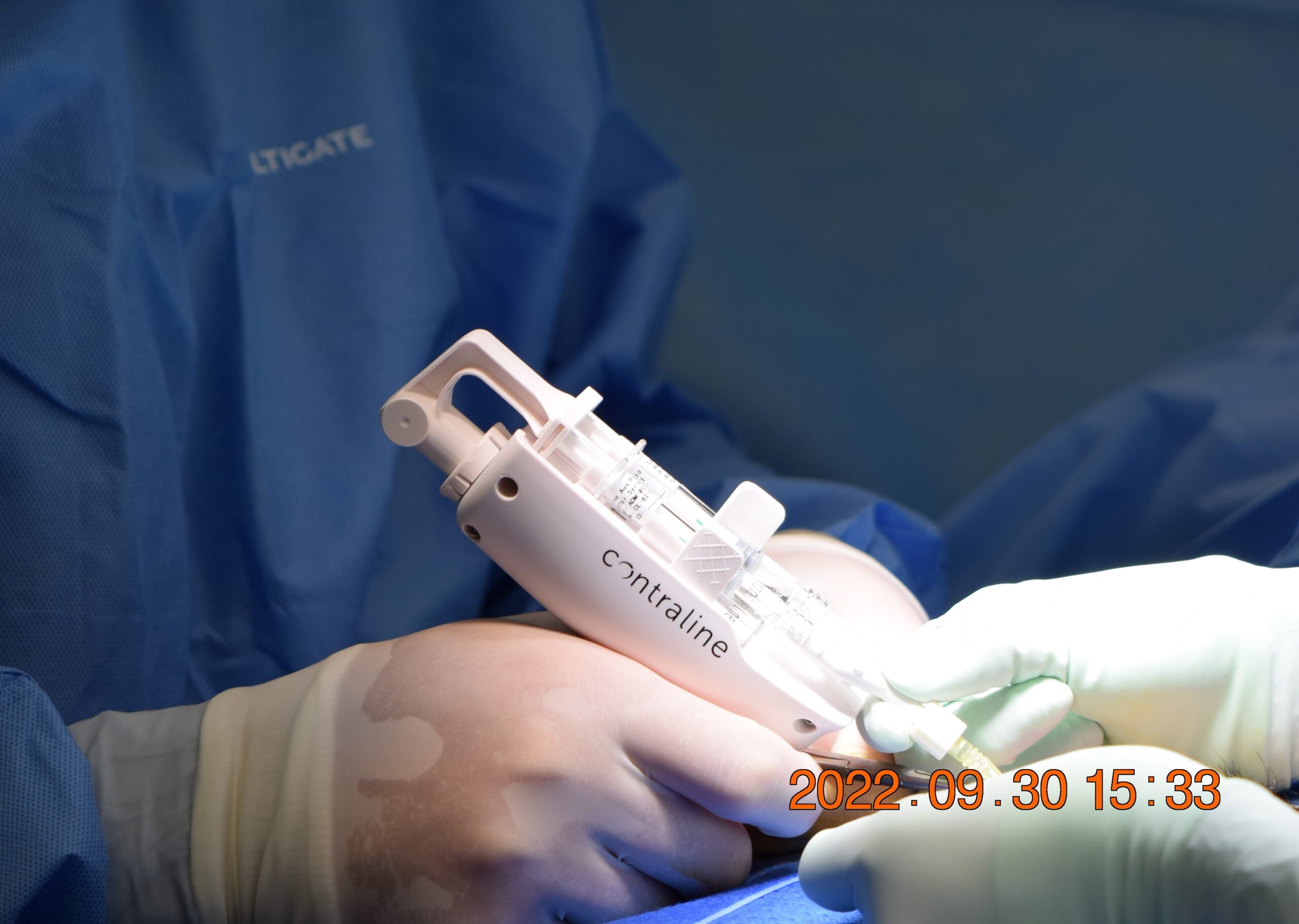
Medical device company Contraline became the first to implant a hydrogel-based male contraceptive gel into humans in a clinical trial. Implanted during a noninvasive 10-minute office procedure, the gel promises to block the flow of sperm to the vas deferens. If proven safe and effective, it could become the first nonhormonal, reversible contraceptive for men on the market.