When the Referee Owns the Team — and Tennessee Changes the Rules
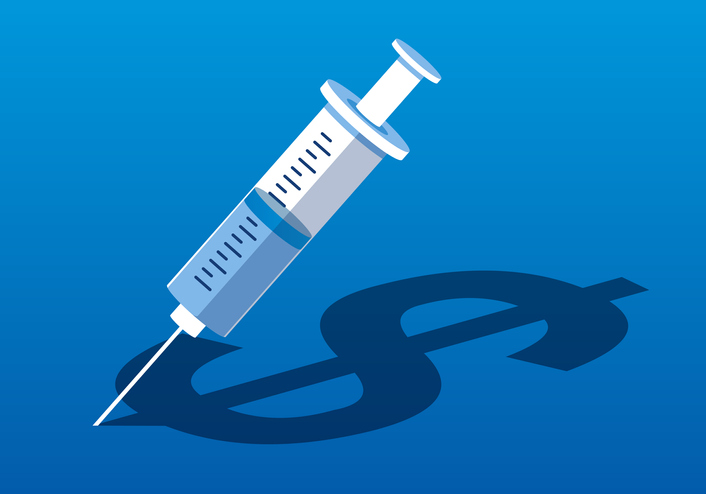
At the center of this issue is a simple question: should the entities responsible for managing prescription drug benefits also own the pharmacies that profit from those decisions?
Drug manufacturers can’t wave a magic wand and streamline government drug discount programs. Nonetheless, there are actions manufacturers can take to mitigate the impact of noncompliant rebates
Enterprise EHR boosts scalability, interoperability, and governance for large healthcare systems.
The PBM industry—a transaction-driven industry that highlights economic distribution, resting squarely on price, rebates, and discounts—has consistently let down employers and patients with models that behave like retail.
There is a strong correlation between prescription price transparency at the point of care and medication adherence — and how it impacts value-based care.
At an event during the annual American Diabetes Association Scientific Sessions in San Francisco, representatives from PBM, health plan, drug manufacturing and patient advocacy groups came together to discuss the causes of increasing insulin prices and potential solutions to the problem.
Both major political parties have shown interest in remedying high drug prices, and drugmakers have bemoaned how rebates to middlemen keep them from reaping every dollar associated with those price tags.
Veradigm examines key clinical trends, comorbidity profiles, and treatment trends across adolescence, reproductive years, and peri-/post-menopause. Download it today!
On an earnings call, Cigna CEO David Cordani seemed largely nonplussed about the potential rule's impact on the company's bottom line, even after the insurer's blockbuster acquisition of Express Scripts.