
Why Traditional CQI Breaks Down as EMS Agencies Grow
The problem isn’t that CQI no longer matters. It’s that traditional approaches were never built for the scale and complexity many agencies are now dealing with.
The problem isn’t that CQI no longer matters. It’s that traditional approaches were never built for the scale and complexity many agencies are now dealing with.

By embracing better tools and smarter approaches, agencies can reduce the strain on their teams and give their patients the most seamless, high-quality care possible.


We have the opportunity to design systems that give people greater capacity for the work where human presence matters most: listening, understanding, reassuring, deciding, and caring.

AI takes care of the small but time-consuming stuff, giving responders more space to focus on what really matters: providing life-saving care to patients.

Two executives share their expertise on bridging the gap between high-level data strategy and the high-stakes reality of emergency medicine.

AI and analytics offer a path forward that prioritizes smarter workflows, coordination between teams, and better visibility into system performance. The organizations best positioned will be the ones that invest in responsible innovation, interoperability, and tools that make a difference in their daily work.
For field providers, the goal isn’t just faster paperwork — it’s smarter, safer documentation that puts patient care first.

We are taking a look at how health insurers are using AI, defining success, and managing cybersecurity risks. Give us your opinions by completing our brief, anonymous survey.

In the shift from isolated expertise to collective insights, shared data are revolutionizing patient care in EMS and hospitals.
From field documentation to post-discharge outcomes, interoperability isn’t a future ideal — it’s a present necessity. Here’s what seamless EMS–hospital data exchange looks like, and why it matters now.

In an era of real-time data, emergency response teams can no longer afford to operate in silos. EMR interoperability is essential to improving care continuity, outcomes, and decision-making — from curb to discharge.

From mobile documentation to emergency handoffs, EMS providers handle sensitive patient information in fast-moving environments. Understanding how HIPAA applies — and how to comply — can improve care, reduce risk, and build systemwide trust.


In an interview, Kyan Health Co-Founder and Chief Commercial Officer Konstantin Struck discussed how Kyan gives mid-market and enterprise employers access to premium workforce mental healthcare, at a price point that is affordable.

EMS data is often the earliest signal of a looming public health crisis. By tapping into it in real time, agencies can detect overdose spikes, respiratory surges, or behavioral health trends days before traditional systems catch up.

EMS providers often treat patients without medical history, risking delays, errors, and guesswork. But new national data-sharing frameworks are starting to close that gap, bringing critical records to first responders in real time.
By focusing on prevention, collaboration, and data-driven innovation, community health programs are ensuring resources are used more effectively and patient care is proactive rather than reactive.
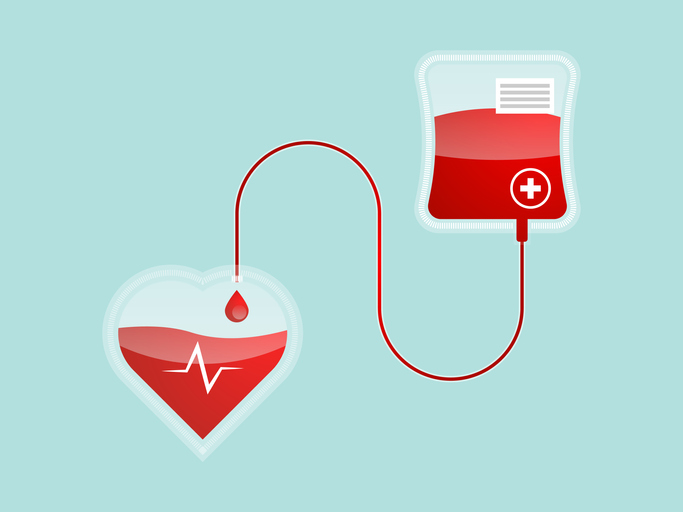
For decades, EMS has relied on blood component therapy, which was favored for its longer shelf life, efficiency, and lower risk of transfusion reactions. However, emerging data suggests that whole blood transfusion in the field could significantly improve survival rates, particularly in rural and remote areas where longer transport times pose additional risks.
The initiative, called Freedom House 2.0, will provide emergency medical services training to people from economically disadvantaged communities. It aims to address social determinants of health as well as help support those who have experienced job losses amid the pandemic.