
Two Differing POVs Emerge About the Hinge-Cylinder Deal
Hinge Health’s acquisition of Cylinder expands it into GI care, but experts differ on whether employers will favor convenience or specialized solutions.
Hinge Health’s acquisition of Cylinder expands it into GI care, but experts differ on whether employers will favor convenience or specialized solutions.

Throne Science — a startup selling an AI-powered toilet camera that tracks gut health, hydration and urinary function — closed a $10 million Series A funding round. CEO Scott Hickle said the goal is to become a "smoke detector for colorectal cancer,” filling a monitoring gap he noted the wearables industry has largely ignored.


What if health plans could identify member decline before an avoidable hospitalization occurs? Real-time clinical visibility into long-stay SNF members uncovers risk earlier and drives better outcomes.

Through new diagnostic methods, integrated approaches and innovative management solutions, patients no longer have to live with discomfort. Here are three major ways the GI field is evolving to better care for patients today.

In today’s environment, standing still is the riskiest strategy of all. But to move from plateau to progress, GI practices must redefine what growth looks like.

By prioritizing digestive health through targeted benefits and workplace policies, employers can help ease the transition back to the office without compromising employee well-being.

ArriVent Biopharma claims best-in-class potential in gastrointestinal cancers for its new asset, but it’s not specifying the class. It’s possible the Phase 1-ready drug goes after claudin 18.2, a hot target for GI cancer drug research that recently welcomed its first FDA-approved therapy and is in pursuit by several companies.

Healthcare decision-makers, especially at pharmaceutical companies, must prioritize patient input. Data collected from social media listening is a significant step in the right direction.

These benefits set employees up with the resources and access to manage their health efficiently and proactively while giving employers financial savings throughout the year.
Now is a great time for employers to consider the impact GI health has on workplace equity and take steps to ensure they’re doing what they can to create an equitable workplace

Oshi Health's $60 million Series C funding round was led by Oak HC/FT and included participation from existing investors Bessemer Venture Partners, Flare Capital Partners, Frist Cressey Ventures, CVS Health Ventures and Takeda Digital Ventures.
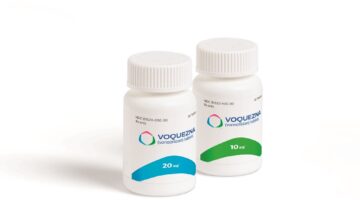
Expanded FDA approval of Phathom Pharmaceuticals drug Voquezna now includes patients with non-erosive gastroesophageal reflux disease (GERD). Phathom licensed its flagship product from Takeda Pharmaceutical.


In an interview, Kyan Health Co-Founder and Chief Commercial Officer Konstantin Struck discussed how Kyan gives mid-market and enterprise employers access to premium workforce mental healthcare, at a price point that is affordable.

GI disorders are complex, disruptive, and immensely stressful, with physiological, psychological, and sociological implications.
Ironwood Pharmaceuticals is paying $1 billion to acquire VectivBio, a biotech whose lead program could become a blockbuster treatment for a gastrointestinal disorder. Preliminary Phase 3 data are expected by the end of 2023.
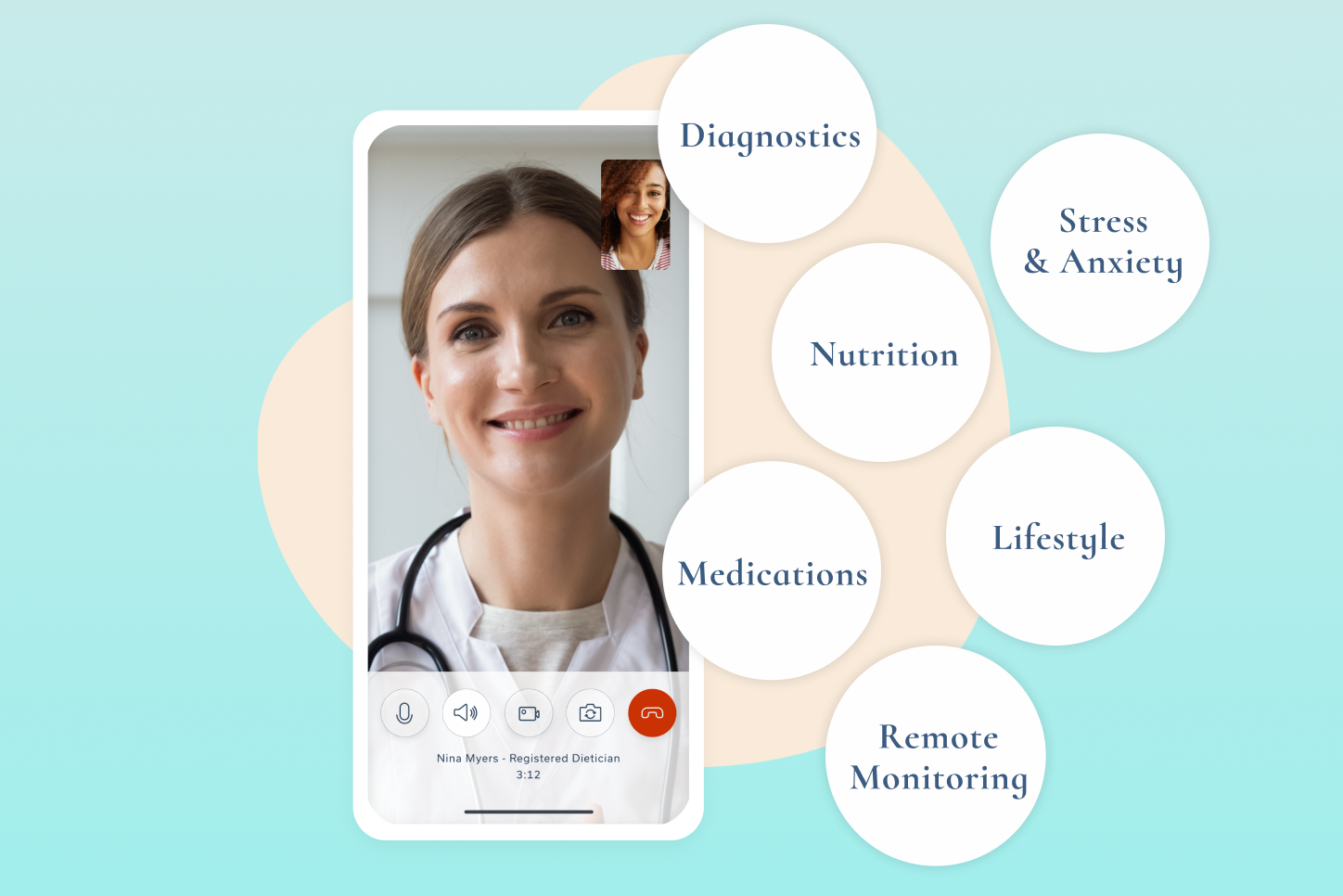
Oshi Health raised $23 million in funding, with CVS Health and Takeda joining as strategic investors. The company has built a digital health platform to help people manage GI conditions, such as Crohn’s disease and IBS.

Docbot CEO Andrew Ritter talked about how the predictive analytics business seeks to shake up how clinicians diagnose gastrointestinal disease by changing the way medical images are analyzed.
As awareness grows around GI conditions, startup Oshi Health is building a platform to connect people to teams of clinicians and health coaches to better manage their symptoms. Judges picked the startup as the health services winner for MedCity INVEST’s Pitch Perfect contest.