
Med Spa Technology: Leading Providers of HIPAA-Compliant Software
Discover where you can find HIPAA-compliant software for med spas.

Discover where you can find HIPAA-compliant software for med spas.

How can healthcare providers contend with a regulatory environment that has never been more fragmented? Here are three lessons on why privacy is your competitive advantage.


Greenway Health blends smart technology with human expertise to elevate revenue cycle.

As manufacturers play an active role in the patients’ healthcare journey, the boundaries between manufacturers and healthcare providers/payers are becoming increasingly blurry.

As healthcare continues to become more and more dependent on third-party vendor services, provider and technology entities must remain focused on the risks that their vendors present.

Across the U.S., nearly 700 rural hospitals are at risk of closure. When they shut down, the impacts cascade: broken continuity, delayed care, and increased cyber risk in every new system a patient must navigate.

From mobile documentation to emergency handoffs, EMS providers handle sensitive patient information in fast-moving environments. Understanding how HIPAA applies — and how to comply — can improve care, reduce risk, and build systemwide trust.


How can AI benefit and improve patient outcome in the emergency department? Watch the latest episode to find out.
The bottom line is that while recognizing there is an issue is vital, too many healthcare organizations are counting on solutions that cannot and will not provide a sufficient line of defense.
If the guidelines for data sharing are not adhered to by providers, then all the work that has gone into revising this regulation will have been for nothing. But the road to compliance doesn’t have to be overwhelming. Here are three essential steps for healthcare leaders in navigating the soon-to-be Part 2 landscape.

HHS is proposing major changes to HIPAA for the first time in more than a decade, aiming to strengthen cybersecurity protocols for electronic health data. Healthcare cybersecurity leaders are mainly in favor of the proposal — though there are some concerns that smaller providers will struggle with the financial and operational burdens of compliance.
Implementing a thorough federal privacy law and broadening HIPAA protections to include new mHealth technologies are crucial steps in enhancing personal data security. Equally important, companies and developers should adhere to strict ethical standards and robust security protocols during app development to protect users' sensitive information.

In a landscape where complexity has long been the norm, the power of one lies not just in unification, but in intelligence and automation.

Two chief information security officers offer some advice at a cybersecurity panel at HLTH.

Profound opportunities and challenges are playing out at the intersection of the two.
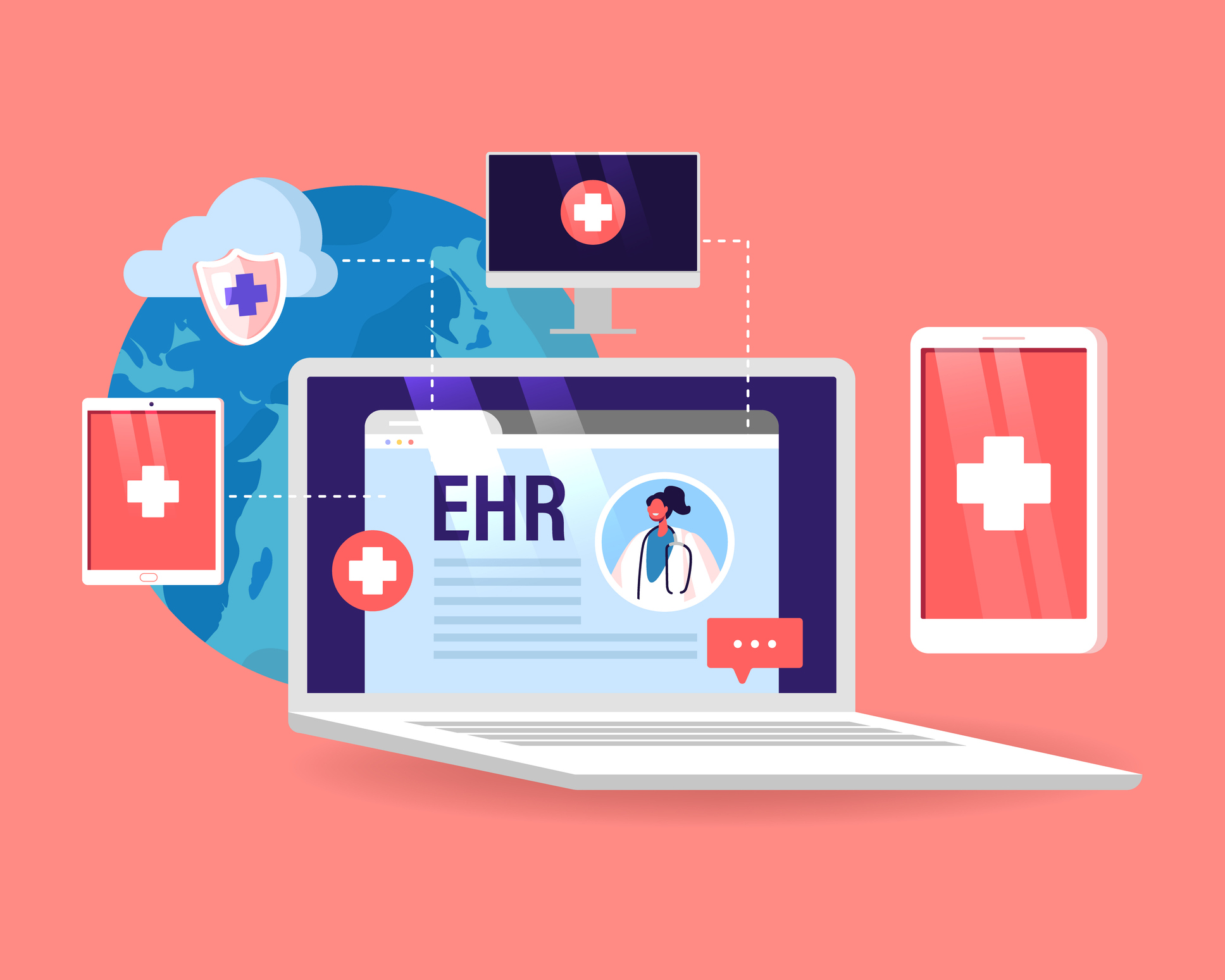
The availability of innovative technologies affords us the opportunity to chart a more patient-centric, efficient, and secure path to managing and leveraging PHI.
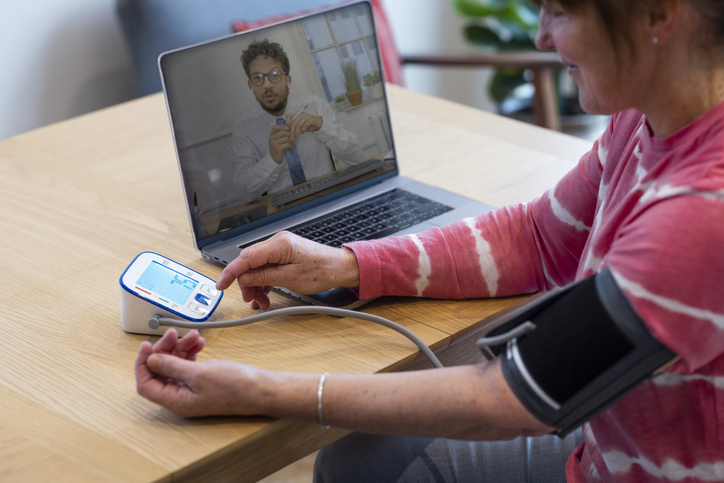
RPM has ushered in a new era of healthcare. However, navigating the complexities and challenges of this landscape requires a thoughtful QA strategy.

To prevent the proliferation of data security incidents in the healthcare industry, providers must examine their use of legacy systems as well as their reliance on third parties, according to a new report. It pointed out that most providers fail to probe their third-party partners' cybersecurity measures, and many continue to use legacy systems that are no longer supported by vendors or are hard to patch and update.