
Individual Coverage Is Reshaping Health Insurance. Agents Are the Key to Making It Work
As individual enrollment grows, agents must evolve to meet a more complex, consumer-driven market.
As individual enrollment grows, agents must evolve to meet a more complex, consumer-driven market.

If the remaining 10 states expanded Medicaid, uninsured rates would greatly drop for women of reproductive age, non-Hispanic Black adults and young adults, a new Urban Institute report found.


What if health plans could identify member decline before an avoidable hospitalization occurs? Real-time clinical visibility into long-stay SNF members uncovers risk earlier and drives better outcomes.
When Medicaid expansion was first enacted, it was a hot topic debate between Democrats and Republicans. But more and more states are starting to expand Medicaid, including several conservative states.

Results from a recent study conducted by OSF Healthcare and Bradley University show that expanding Medicaid to more people hasn’t increased underserved populations’ access to healthcare as much as lawmakers have hoped. The findings shone a light on where hospitals should focus their outreach efforts for Medicaid education.
While 64,210 people have been approved as part of the expansion that took effect in the summer 2021, nearly 73,000 applications were pending as of early February. Until the expansion went into effect, for nearly a decade, Missouri’s Republican political leaders resisted expanding eligibility for Medicaid.

The increase in access to public health insurance coverage — via legislation like the Families First Coronavirus Response Act that prevents states from disenrolling Medicaid beneficiaries — helped offset the loss of employer-sponsored insurance, the report from Robert Wood Johnson Foundation shows.


Healthcare payments are no longer about transactions. It’s about controlling the revenue cycle. And increasingly, that control is not sitting with ISOs.

Though medical debt climbed high over the past decade, it appears that Medicaid expansion can help. States that expanded Medicaid saw average debt drop by 44% as opposed to a 10% reduction in non-expansion states.

Covid has pushed state health agencies to use Medicaid in ways that would never have been imagined before. With one in five Americans saying they are unable to afford healthcare, how are state governments using this historic moment to expand equitable access to care?

The hospitals are pushing HHS to recognize patients eligible for Medicaid under the ACA as "low-income" when calculating Medicare disproportionate share hospital payments in states that did not expand Medicaid. The agency's refusal to do so resulted in the hospitals receiving lower reimbursements for three years, the lawsuit claims.

President Joe Biden recently signed the $1.9 trillion Covid-19 relief package into law. The American Rescue Plan Act includes several provisions to boost coverage under the ACA, like widening eligibility for premium tax credits.

We are taking a look at how health insurers are using AI, defining success, and managing cybersecurity risks. Give us your opinions by completing our brief, anonymous survey.
With the Democrats leading the Senate and House, and Joe Biden installed as president, the Affordable Care Act will be restored and strengthened over the next four years, an expert from the Kaiser Family Foundation predicts.

The states are trying to prove they were harmed by the 2010 health law — and thus have “legal standing” to challenge its constitutionality.

A three-judge panel unanimously upheld a previous ruling that the Department of Health and Human Services failed to consider whether the work requirements would fulfill Medicaid's core objective of providing health care to low-income families.

CMS Administrator Seema Verma unveiled a new demonstration policy that would allow states to pay for Medicaid expansion using block grants. But experts were unsure how many states would opt into them, with possible financial and legal challenges ahead.
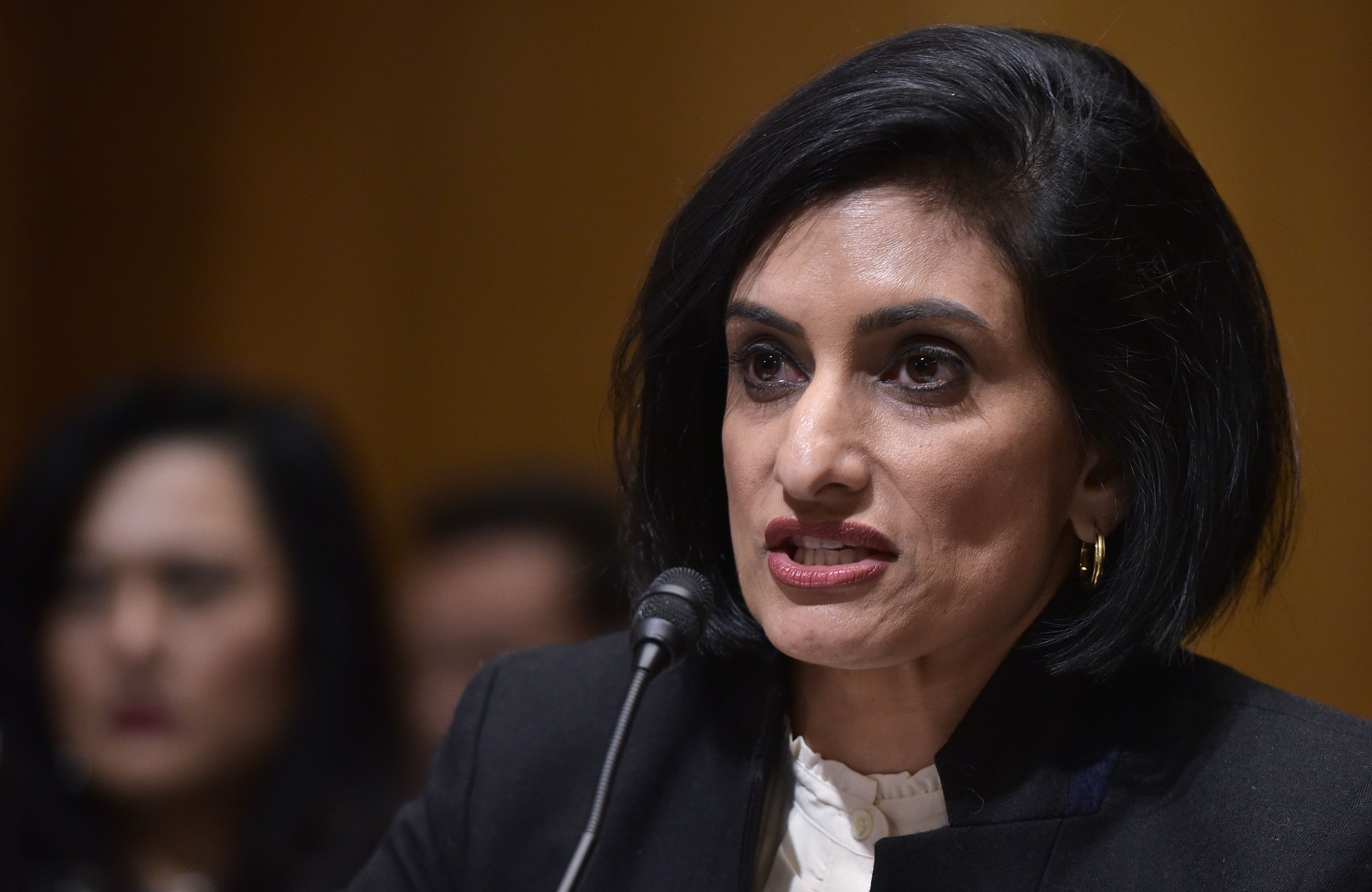
CMS released a new policy Thursday that would allow states to fund Medicaid expansion through block grants. Patient advocacy groups raised concerns that the policy could limit enrollment or reduce benefits in states that adopt it.