
Ilant Health Raises $15M to Advance Obesity Care
Ilant Health's Series A round was led by Cornucopian Capital, with participation from naturalX, Peakbridge, Semcap AI, Evidenced, Operator Partners, Celtic, LifeX and AlphaLab.
Ilant Health's Series A round was led by Cornucopian Capital, with participation from naturalX, Peakbridge, Semcap AI, Evidenced, Operator Partners, Celtic, LifeX and AlphaLab.

Providing access to GLP-1s only solves part of the problem. In fact, without a broader approach, it may lead to new challenges alongside the ones it aims to address.

Healthcare decision-makers, especially at pharmaceutical companies, must prioritize patient input. Data collected from social media listening is a significant step in the right direction.

We have to cover medical nutrition therapy for those who need it most, including Medicare beneficiaries. Almost all commercial payers are already doing this - the government needs to catch up.

The weight loss market is at yet another inflection point. The euphoria of the past three years is now confronting the realities of how obesity medications will scale to address an epidemic that impacts over 1 billion people globally.

Microdosing won’t be the right choice for everyone. But for many patients, it’s already proving to be the difference between quitting obesity treatment early and making lasting progress.

Instead of viewing obesity as one uniform condition, experts now recognize that it can arise from multiple biological patterns. Understanding that difference could finally change how we approach treatment altogether.


Discover the top AI-powered EAP providers for 2026. Compare platforms like Kyan Health and Spring Health on triage speed, global reach, and clinical quality to transform workforce wellbeing.
Withings Health Solutions added Ilant Health to its Obesity Care Network and shared best practices to improve patient monitoring, engagement and outcomes.

As scientists and researchers figure out the right balance of GLP-1 to glucagon ratio and a better drug delivery method, we are beginning to turn the page for the many individuals suffering from obesity.

The Alliance for Women’s Health and Prevention and several other organizations are urging employers to cover the "full range of evidence-based obesity care options," including medical nutrition therapy, intensive behavioral therapy, surgery and medications.
Obesity care company knownwell expanded into six new clinic locations across greater Chicago. The company now operates eight clinics, as it has existing locations in Boston and Dallas. Knownwell also provides virtual care services to patients across New England, Texas and Illinois.

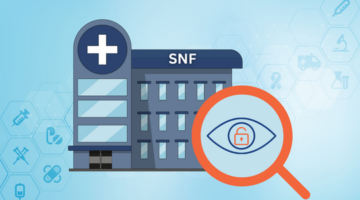
What if health plans could identify member decline before an avoidable hospitalization occurs? Real-time clinical visibility into long-stay SNF members uncovers risk earlier and drives better outcomes.


Combining AI-driven insights with tailored care pathways, patients gain access to health coaches, psychologists, and treatment plans, while providers benefit from workflow optimization.
Pricy GLP-1 medications are here to stay — let's focus on turning their potential into lasting, meaningful impact.
Nutrition isn’t a supplement — it’s foundational to metabolic health. It’s time we integrate more ‘Food as Medicine’ initiatives alongside the GLP-1 therapies that are gaining traction.

As multi-billion investment continues to pour into the R&D of future obesity medications, the need for evidence generation of health benefits beyond short-term weight loss will be critical to the decision-making of healthcare providers and payers.

With so many now seeking GLP-1 treatment, we must find ways to help providers care for more patients. Technology is the key to unlocking this capacity.