
Is Radiology at a Structural Breaking Point? What Will Move It to a Better Future?
The path forward requires much more than whack-a-mole point solution replacement. It requires a more critical look at redesigning the entire workflow architecture
The path forward requires much more than whack-a-mole point solution replacement. It requires a more critical look at redesigning the entire workflow architecture

Current AI tools often increase the disruption that radiologists already experience from using non-integrated platforms.

Healthcare decision-makers, especially at pharmaceutical companies, must prioritize patient input. Data collected from social media listening is a significant step in the right direction.
The first truly scalable and transformative use of AI in medical imaging may not be autonomous diagnosis. Instead, it may be the creation of a "translation layer" designed to help patients actually understand the complex information they are already receiving.
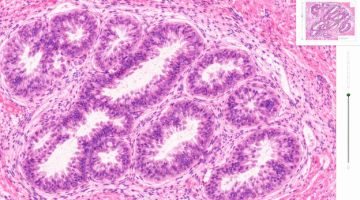
Imaging has become a core input into how health systems understand disease, evaluate outcomes, plan capacity, and increasingly, how they learn.

Clinical decision support startup Aidoc has become a major player in healthcare AI thanks to its focus on acute, life-or-death cases and its R&D-first approach. As Aidoc continues to innovate, Chief Business Officer Tom Valent thinks its commitment to patient safety and transparency will be key contributors to future success.

As it deepens its push into healthcare, LG is developing more tools and workstations aimed at supporting clinical workflows. National sales leader Jim Salamon said the company’s innovations are designed around clinician needs, such as the desire for more lifelike color representation and lightweight displays that can be set up easily for home use.

What if health plans could identify member decline before an avoidable hospitalization occurs? Real-time clinical visibility into long-stay SNF members uncovers risk earlier and drives better outcomes.
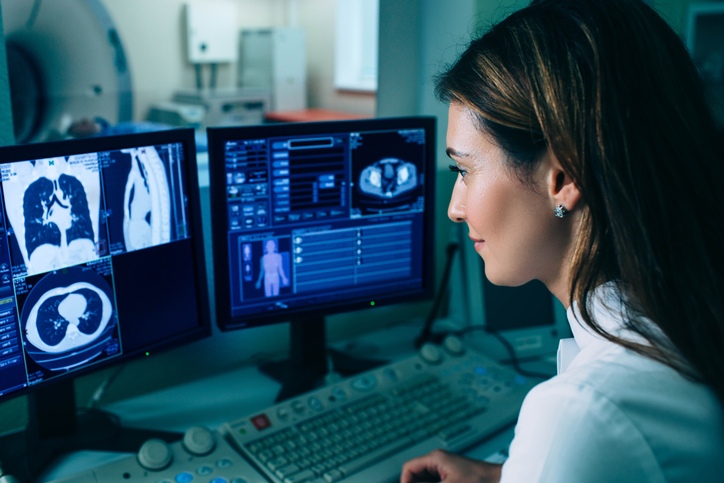
Israeli clinical AI startup Aidoc raised $150 million in a funding round led by General Catalyst and Square Peg, with participation from four U.S. health systems. The company has more than 150 health system customers.
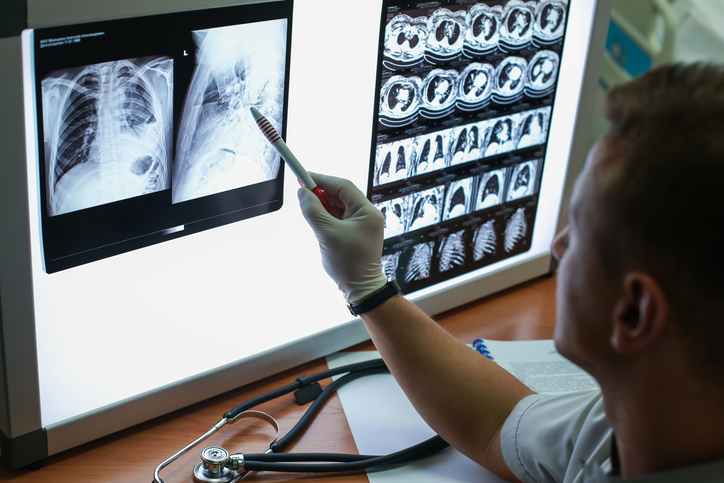
Managing routine radiology does not require the administrative burden of prior authorization. Instead, health plans can implement post-service, pre-payment automated management based on clinical guidelines.


Radiologists today face a surge in imaging volume and pressure to produce fast, accurate reports. Workflow optimization is about delivering the right results at the right time with less friction.

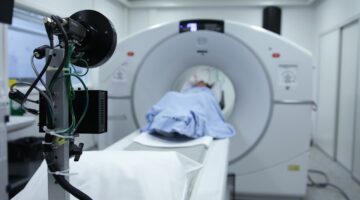
Health care professionals can refer patients to the best options for diagnostic imaging covered by Medicare to give more people the medical assistance they need without extra financial stress.


We have the opportunity to design systems that give people greater capacity for the work where human presence matters most: listening, understanding, reassuring, deciding, and caring.

Volpara Health CEO Teri Thomas thinks AI will shape the future of radiology. This belief is a major reason why Volpara combined with South Korean AI company Lunit earlier this year, she said.

GE HealthCare made a slew of announcements at RSNA 2024, including an acquisition, new machines for mammography and SPECT/CT imaging, and new AI features to help improve radiologist workflows.

Philips is showcasing its partnerships and new products at RSNA 2024, including an expanded collaboration with AWS and a CT scanner that the company said uses up to 80% less radiation than traditional systems.
Steps that healthcare providers can take – internally and with the help of external partners – to boost both their security capabilities and the confidence of their clinicians in those capabilities
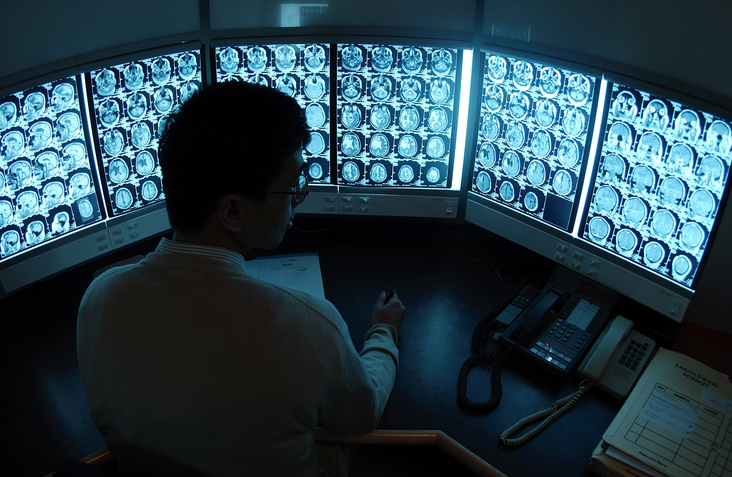
Qure.ai — which is headquartered in India — closed a $65 million Series D financing round. When asked whether the startup is thinking about a public exit anytime soon, CEO Prashant Warier said that for now, the company’s focusing is on continuing to build its market globally and “venturing deeper into meeting the healthcare challenges of the U.S.”