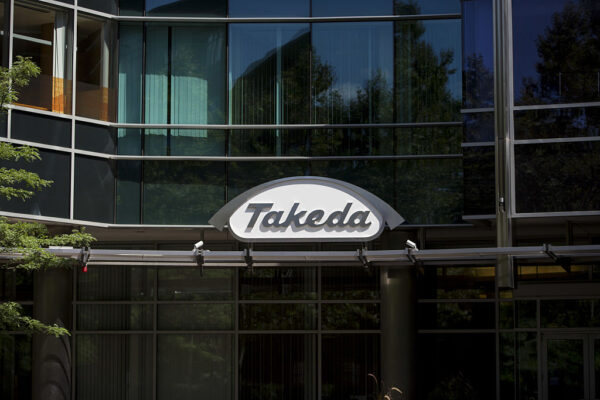
A Takeda Pharmaceutical drug in development for rare forms of epilepsy that are resistant to anti-seizure medications has failed to meet the main goals of two placebo-controlled pivotal studies, a setback to a program the Japanese pharmaceutical giant had in-licensed to bolster its neuroscience pipeline.
Takeda did not disclose full details in its Monday announcement about the drug, soticlestat. In the Phase 3 test in patients with Dravet syndrome, the company said the drug “narrowly missed” the main goal of reducing convulsive seizures. However, Takeda also pointed to encouraging results on the trial’s six secondary measures. In a separate Phase 3 test in Lennox-Gastaut syndrome, Takeda said the drug missed the primary endpoint, a measure of reduction in seizure frequency.
In both clinical trials, Takeda said some pre-specified patient subgroups showed nominally significant treatment effects on the primary and secondary efficacy endpoints of caregiver and clinician global impression of improvement. The company also noted improvement in seizure intensity and duration over the 16-week treatment period. Takeda is continuing to analyze the soticlestat data. It added that the twice-daily pill was well tolerated by patients, showing a safety profile consistent with earlier tests of the drug.

Beyond Analytics: How Sellers Dorsey is Hard-Coding Value into Medicaid Policy [Video]
How to turn analytics into actual policy outcomes.
Soticlestat is small molecule designed to block cholesterol 24-hydroxylase (CH24H), an enzyme found primarily in the brain. Elevated levels of this enzyme are associated with activation of receptors that play a role in epilepsy. The drug originated in Takeda’s labs and was outlicensed to Ovid Therapeutics in 2017. Per the deal terms, the two companies shared in the development of the drug. In Ovid’s hands, soticlestat met the main goal of reducing seizure frequency in a Phase 2 study enrolling both Dravet and Lennox-Gastaut patients.
In 2021, Takeda paid Ovid $196 million up front to regain full rights to soticlestat, which at the time was ready for Phase 3 tests in Dravet and Lennox-Gastaut. The deal put Ovid in line for up to $660 million in milestone payments depending on the drug’s progress under Takeda, plus royalties from sales if an approved product reaches the market.
FDA-approved therapies for Dravet include Jazz Pharmaceuticals’ Epidiolex, a drug derived from cannabis, and Fintepla, a UCB drug. The drugs used to treat Lennox-Gastaut are older antiepileptic medications. Sarah Sheikh, head, neuroscience therapeutic area unit and head, global development at Takeda, acknowledged soticlestat’s disappointing results on the main Phase 3 goals, but added that patients who have rare forms of epilepsy are not well-served by currently available therapies. Drugs for both Dravet and Lennox-Gastaut do not adequately control seizures and have tolerability issues, she said in a prepared statement.
“While we would have wished for more declarative results on the primary endpoints, we are encouraged by positive outcomes seen in the totality of the data and are looking forward to engaging health authorities to determine the best path forward,” Sheikh said.


Survey on the Healthcare Financial Landscape Offers a Roadmap for Stakeholders
Zelis highlights how employers, payers, and consumers are integrating digital tools to manage healthcare costs.
The totality of data will likely go beyond the encouraging secondary endpoints of the Dravet Phase 3 study and include the positive Phase 2 results. Takeda said a pooled analysis of the Phase 2 cohort in Dravet and the Phase 3 data in that indication showed a reduction from baseline in convulsive seizure frequency compared to placebo. These results are persuasive to William Blair analyst Tim Lugo. In a note sent to investors on Monday, Lugo wrote that the overall data are supportive of the drug’s activity in Dravet syndrome, a form of epilepsy in which about 85% of patients experience seizures that are not responsive to available medications. In many cases, patients can take up to three anti-seizure drugs at the same time. Lugo does not see a future for the drug in Lennox-Gastaut, but he added that a path forward in Dravet would rely on regulatory flexibility and a commitment from Takeda.
“While we believe the data are clearly suggestive of soticlestat activity in [Dravet syndrome], with mixed data, we are less certain that a multinational pharmaceutical company such as Takeda will be aggressive on the regulatory front and see incremental risk for the asset in Takeda’s hands,” Lugo said.
As for Ovid, the money from selling soticlestat’s rights has been put to work building a more diversified drug pipeline. Last year, the company licensed rights to a Graviton Biosciences ROCK2 inhibitor now called OV888, which is in early-stage clinical development for treating cerebral cavernous malformations. The deal also gives Ovid rights to Graviton’s library of ROCK2 inhibitors for other rare central nervous system disorders. This program is on track to post Phase 1 data soon, paving the way for the start of a Phase 2 clinical trial later this year expected to produce data in the first half of 2026. Another program, OV239, is expected to report Phase 1 data in the second half of this year. Licensed from Northwestern University, this drug is a GABA-aminotransferase inhibitor in development for refractory seizures.
A 2022 deal with AstraZeneca brought Ovid preclinical small molecules with potential applications that include epilepsy. The most advanced of them is an activator for potassium chloride co-transporter 2 (KCC2), a target in the brain associated with many neurological and psychiatric disorders. Ovid plans to submit an investigational new drug application for this drug candidate, OV350, in a yet-to-be disclosed psychiatric indication in the second half of this year. Ovid said Monday that it projects its cash reserves will support the company into the first half of 2026, when its most advanced programs are expected to have clinical updates.
Photo: Scott Eisen/Bloomberg, via Getty Images