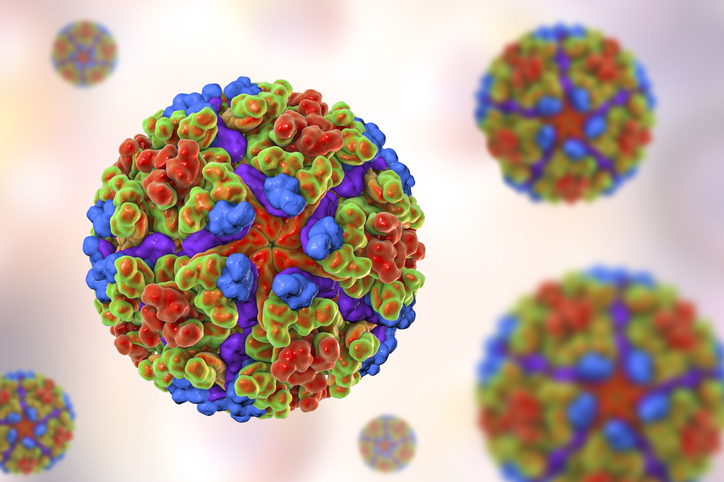
A Valneva chikungunya vaccine under regulatory scrutiny for much of this year amid safety concerns is now no longer permitted for sale in the U.S. market. The FDA has suspended the biologics license of the vaccine, Ixchiq, following new reports of safety problems.
According to Valneva, the FDA cited four new reports of serious adverse events that were consistent with chikungunya-like illness. The Saint Herblain, France-based vaccine maker said Monday that suspension of the license requires the company to stop shipping and selling Ixchiq in the U.S. immediately.
Chikungunya is a mosquito-borne virus that circulates in tropical and subtropical regions. The virus can lead to infection that causes fever, headache, and joint and muscle pain. Ixchiq is comprised of a live but weakened version of the chikungunya virus administered as a single intramuscular injection. In late 2023, the FDA awarded Ixchiq accelerated approval in adults, making this vaccine the first for preventing disease caused by chikungunya. The speedy regulatory nod required Valneva to conduct post-marketing testing to assess the risk of severe chikungunya-like adverse reactions.


Automation Didn’t Dehumanize Care. Bad Systems Did.
We have the opportunity to design systems that give people greater capacity for the work where human presence matters most: listening, understanding, reassuring, deciding, and caring.
This past spring, 17 serious adverse events were reported globally in elderly people who received Ixchiq. Two of these reports were deaths. Some of these reports included complications that were consistent with severe chikungunya disease that required hospitalization. In May, the FDA and Centers for Disease Control and Prevention recommended a pause on dosing of Ixchiq in those age 60 and older while the agencies investigate these events. The European Medicines Agency conducted its own inquiry.
In early August, the FDA lifted the pause following its risk-benefit assessment of Ixchiq. An update added to the product’s label noted post-marketing reports of complications in people age 65 and older. But late Friday, the FDA issued a new safety communication stating the suspension of Ixchiq’s license. The decision is based on a Center for Biologics Evaluation and Research (CBER) assessment that found Ixchiq appears to be causing chikungunya-like illness in vaccine recipients. Of the more then 20 reported serious adverse events consistent with chikungunya-like illness, there were 21 hospitalizations and three deaths, the agency said. The FDA added that clinical benefit of Ixchiq has not yet been determined in confirmatory studies.
“CBER’s benefit-risk analysis broadly shows the vaccine does not have benefits outweighing risks, under most plausible scenarios,” the FDA said in the safety communication. “For these reasons, CBER believes this vaccine is not safe and that continued administration to the public would pose a danger to health.”
Valneva said the new serious adverse events were four cases that occurred outside of the United States. Three of these cases were people age 70 to 82; the 82-year-old vaccine recipient was hospitalized and discharged after two days. The fourth case was a 55-year-old person. The company said it believes all cases describe symptoms consistent with those previously reported during clinical trials and post-marketing experience, particularly among the elderly. The risks for this age group is already reflected in the product label, the company said. Valneva is continuing to investigate the cases, and if warranted, will pursue further steps with the FDA.


The Healthcare Payments Industry Faces a Perception Challenge
Healthcare payments are no longer about transactions. It’s about controlling the revenue cycle. And increasingly, that control is not sitting with ISOs.
“We aim to continue providing Ixchiq to all countries where the product is licensed and continue our efforts with our partners to accelerate vaccine access in low-and-middle-income chikungunya-endemic countries — especially in response to any current or future chikungunya outbreaks, ensuring the vaccine reaches those most in need,” Valneva CEO Thomas Lingelbach said in a prepared statement.
Besides its approvals in the U.S. and European Union, Ixchiq has marketing authorizations in Canada, the United Kingdom, and Brazil. The April approval in Brazil was the first for the product in a country where chikungunya is endemic. For the first half of 2025, Valneva reported Ixchiq accounted for €7.5 million of the company’s €91 million in revenue. The company is still evaluating the potential financial impact of the suspension of Ixchiq’s license in the U.S., but is not modifying revenue guidance at this time.
Americans looking for a chikungunya vaccine do have an alternative. Earlier this year, the FDA awarded standard approval to Vimkunya, a chikungunya vaccine developed by Bavarian Nordic.
Illustration: Getty Images