
A recent report from the Department of Health and Human Safety (HHS) Office for Civil Rights (OCR) revealed an astonishing reality: 29 million people had Patient Health Information (PHI) impacted by data breaches in the first six months of 2025. In June alone there were 70 breaches that impacted a whopping 7,609,868 individuals. The OCR portal showcases breaches impacting more than 500 people, and not surprisingly nine of the ten breaches involved hacking/IT incidents.
In a world that is riddled with technology moving at breakneck speed and scammers that follow not far behind, it is important for healthcare professionals both on the clinical and non-clinical sides of the house to come together in a united front. The reality is that whether you are caring for patients at the bedside or behind the scenes, the way you use automation has a direct impact on care.
Understand the risk
NEMT Partner Guide: Why Payers and Providers Should Choose MediDrive’s TMS
Alan Murray on improving access for medical transportation.
The concept of automation in and of itself isn’t new – what’s changed is the variety of ways we can use it to enhance our lives. A question I encourage doctors and administrators alike to answer is “how do healthcare workers assess AI risk on their own?” If there are no guardrails in place, you are setting yourself and your patient population up for failure.
Instead of taking a blind-trust approach to automation, consider a humans-in-the-loop strategy. Sure, there are obvious markers you can look out for such as HIPAA-compliance and encryption to intercept would-be scammers. But take the extra steps to avoid unnecessary risk. Audits are a great way to monitor what automations are working with PHI and can pinpoint foul play. Staff training days to educate colleagues on automation limits and proper PHI handling is another added step that seems obvious but can pay major dividends in the long run.
Avoid organizational siloes
One of the best indicators of an organization’s ability to succeed with automation lies in the staff’s ability to work together interdepartmentally. As a physician, it was nothing out of the ordinary for me to pick up the phone or walk down the hall to speak to the Chief Compliance Officer at the organization. This kind of behavior encourages a culture of camaraderie amongst colleagues but also fosters innovation and growth. Success breeds success, and good ideas don’t need to be stuck in a vacuum.


RCM Outsourcing: Balancing Human Expertise & Smart Technology
Greenway Health blends smart technology with human expertise to elevate revenue cycle.
To take it a step further, I would also encourage leaders to seek out other organizations in their network who are crushing their automation goals. Identify two, three or even four organizations who have successfully automated various facets of their operation and ask them how they did it. What KPIs were they seeking to achieve? These insights can fuel your approach.
Keep your eye on the prize
Consistency is defined as “steadfast adherence to the same principles, course, form, etc.” Rome was not built in a day, so don’t expect your organization to automate everything overnight either. When it’s all said and done, progress beats perfection and I found it to be very important to have consistency in the leadership at the helm – are the same leaders showing up again and again, or are we having a recurring cycle of turnover? Those factors are important to consider.
Ultimately, automation should be a means to an end. Above all else your job – whether you are patient-facing or not – is to make the patient experience better. If automation helps you in achieving that goal, it’s icing on the cake.
Photo: Tinpixels, Getty Images
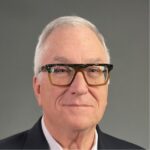
Dr. Anthony Tedeschi is a physician-executive with more than 30 years of clinical and healthcare leadership experience. Board-certified in family medicine, he began his career by founding a rural clinical practice before moving into executive roles that spanned urban safety-net hospitals, suburban health systems, and national markets. He most recently served as CEO of Tenet Healthcare’s Detroit Market, and previously led hospitals in Chicago and Detroit while serving as COO and CMO at multiple community hospitals. Earlier in his career, Dr. Tedeschi was president and interim co-CEO of Central DuPage Hospital, where he also practiced medicine.
Known for guiding organizations through transformation and performance improvement, he has held leadership roles at Cook County Health & Hospitals System and The Sibery Group. Dr. Tedeschi earned his MD from the University of Illinois, an MBA from Northwestern, and an MPH from the Medical College of Wisconsin.
This post appears through the MedCity Influencers program. Anyone can publish their perspective on business and innovation in healthcare on MedCity News through MedCity Influencers. Click here to find out how.