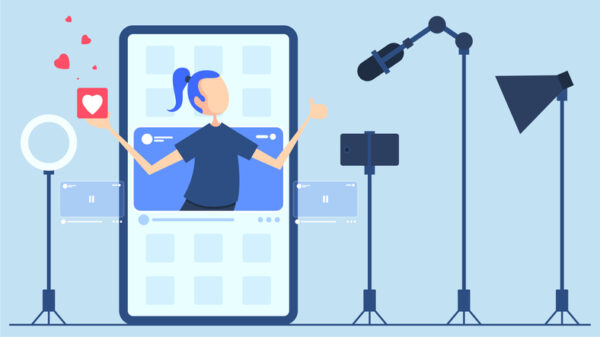
When I started taking Zepbound in January 2024, I suddenly found myself in a whole new world of dosing schedules, weight loss tracking, and side effects. As I talked to other people navigating GLP-1s, I was struck by how many of them said social media had become one of their main sources of information.
So I took a look, and what I found was pretty alarming. TikTok tutorials on reconstituting peptide powders, wellness influencers hawking “natural Ozempic” patches, and coaches with affiliate links promising the same results as semaglutide (for a monthly fee, of course).
My own GLP-1 prescription came through a 15-minute telehealth appointment. The doctor walked me through the basics and sent me on my way. What came next was a flood of advice from people online who often had a financial stake in what they were recommending.

Why Pharma Companies Should Look To Social Media For Better Patient Insight
Healthcare decision-makers, especially at pharmaceutical companies, must prioritize patient input. Data collected from social media listening is a significant step in the right direction.
GLP-1 medications like Ozempic, Wegovy, and Zepbound have become one of the biggest pharmaceutical stories of our time. Today, nearly 1 in 8 U.S. adults have used a GLP-1 drug, and the global GLP-1 market is projected to exceed $130 billion by 2035. These drugs are reshaping how Americans manage weight and metabolic health and delivering life-changing outcomes for millions of people like me.
And yet, once a patient walks out of the doctor’s office with a prescription in hand, they are largely on their own — which is exactly the moment TikTok fills the void.
The wild west of GLP-1 content
TikTok’s GLP-1 ecosystem is a spectrum. On one end, there are real patients documenting their experiences: the side effects, the wins, the frustrating plateaus. Some of that can be genuinely useful. But on the other end, there’s a much darker marketplace growing fast and operating with very little accountability.

Inside an Automated Healthcare Practice: Redesigning Care Around People, Not Paperwork
By reducing administrative burden and redesigning workflows around human needs, it creates space for what matters most: connection between clinicians and patients.
Supplement makers have rushed to cash in on the GLP-1 boom, flooding TikTok Shop with pills, powders, drops, and patches branded around “GLP-1.” These products are unregulated, lack credible clinical evidence, and often come with little transparency around ingredients, dosing, or safety. They do not work anything like semaglutide or tirzepatide. But you would not know that from the testimonials.
What makes it worse is the conflict of interest baked into so much of this content. Many of the people swearing by GLP-1 patches and supplements are also selling them through TikTok Shop affiliate links and making substantial commissions in the process. Influencers promoting these products are often not disclosing that financial relationship to their audiences, and some are collecting five figures for a single Instagram story.
The gray market goes viral
And while the supplement hustle is concerning enough, there’s an even more dangerous category of content that gets far less scrutiny and is actively available on TikTok. There are influencers guiding patients toward gray-market compounded drugs and, in some cases, outright unapproved experimental compounds.
During the GLP-1 shortages, the FDA allowed compounding pharmacies to fill an important gap. But alongside the legitimate market, a gray market quickly emerged. Now TikTok is full of DIY semaglutide kits and tutorial videos showing people how to mix and inject substances on their kitchen counters.
The tone of these videos is what makes them so unsettling. They are casual, confident, and designed to make this all feel normal. But this is not normal. The FDA has repeatedly warned that semaglutide sodium and semaglutide acetate are not the same as the active ingredient in FDA-approved medications.
Unfortunately, many patients are looking for exactly what this content appears to offer: easier access, lower cost, and faster results. And for someone who is overwhelmed or desperate, it can be very hard to tell the difference between a legitimate option and something risky dressed up to look credible.
The post-prescription support gap is real
It’s not hard to understand why patients turn to TikTok for GLP-1 guidance. The healthcare system leaves a huge gap between getting a prescription and actually understanding how to use it well.
Most patients see their doctor monthly or bi-monthly at best. For the roughly 11% who get their prescriptions through telemedicine vendors, oversight can be even more sparse. In between appointments, they are managing titration, side effects, appetite changes, nutrition, and day-to-day decisions that can meaningfully affect their outcomes, mostly on their own.
That gap matters. Up to 65% of patients discontinue GLP-1 use within the first year, even though these medications can be life-changing when people have the right support. The issue is not just the drug itself. It is everything around it: education, tracking, reassurance, context, and timely guidance.
When someone is worried about side effects at 10 p.m. and their next appointment is three weeks away, they are not going to sit patiently in uncertainty. They are going to open their phone. And TikTok is there, ready with an answer. The problem is that the answer often comes wrapped in a sales pitch.
What patients actually need
GLP-1 patients do not need more noise. They need better support. They need clear information in the right context from sources that are not trying to sell them something misleading. They need a way to track side effects, weight loss, and medication patterns over time. They need tools that help them understand what is happening in their own bodies and have better conversations with their doctors.
They also need to understand that titration is not one-size-fits-all. Personalized dosing and informed adjustments are often the difference between the clinical promise of these drugs and what actually happens in real life.
Patients should not have to evaluate the motives of a stranger with an affiliate link just to figure out how to manage a medication they are paying hundreds of dollars a month for. They deserve support infrastructure that matches the sophistication of the drugs themselves. They deserve to be treated like active participants in their own care.
I know what it feels like to navigate this world without enough support. I also know what it feels like to finally have the right tools, which for me meant losing more than 90 pounds and keeping it off for a year and counting.
We have a once-in-a-generation class of medications here. But if we keep leaving patients to sort through misinformation, salesmanship, and low-quality guidance on their own, the gap between prescription and success will only widen. And the full promise of these drugs will never reach as many people as it could.
Photo: studiostockart, Getty Images

Aja Beckett is the founder and CEO of Shotsy, the most popular GLP-1 tracking app on the market. A software engineer and GLP-1 patient herself, Shotsy was built by Aja to close the support gap that leaves millions of patients navigating complex medication journeys largely on their own.
This post appears through the MedCity Influencers program. Anyone can publish their perspective on business and innovation in healthcare on MedCity News through MedCity Influencers. Click here to find out how.