A closely watched Replimune cancer therapy now has FDA approval for treating advanced cases of melanoma, marking a comeback for the company and a drug whose future was uncertain after the agency turned the therapy down for the second time in nine months.
The regulatory decision announced after Thursday’s market close covers melanoma that has progressed following treatment with a type of cancer immunotherapy called a checkpoint inhibitor. Known in development under the code name RP1, Replimune will commercialize the product, its first, under the brand name Tudriqev.
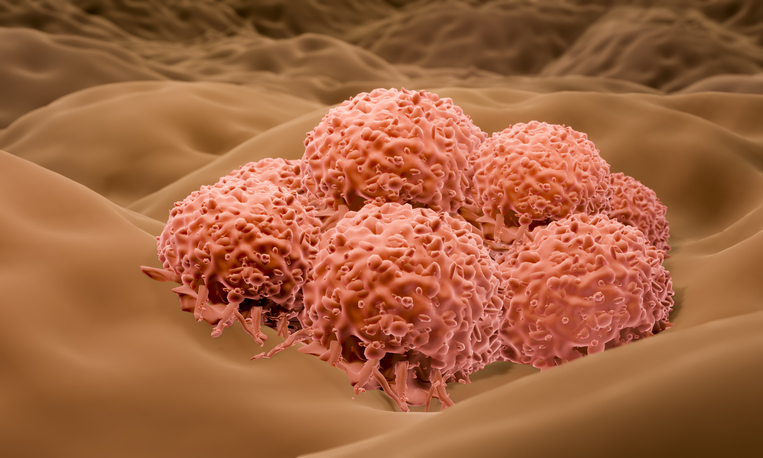
Tudriqev comes from a platform technology that uses an engineered version of herpes simplex virus 1 as its backbone. Injected directly into the tumor, this oncolytic viral therapy works by replicating within tumor cells, killing them and breaking them open. The released contents trigger additional immune responses against tumor cells. The FDA approval covers use of this therapy alongside the Bristol Myers Squibb immunotherapy Opdivo, a standard melanoma treatment that works by blocking the checkpoint protein PD-1.

Why Pharma Companies Should Look To Social Media For Better Patient Insight
Healthcare decision-makers, especially at pharmaceutical companies, must prioritize patient input. Data collected from social media listening is a significant step in the right direction.
The FDA first turned down Replimune’s therapy last summer, telling the company it did not consider the Phase 1/2 study an adequate and well-controlled clinical and the results were uninterpretable. Replimune resubmitted an application with additional data and analyses. The second complete response letter in April said the results did not demonstrate how much the study drug was contributing to patient benefit versus the checkpoint inhibitor. Replimune said the conclusions came from a different review team and contradicted the position of the review team that previously communicated with the company.
The review and rejections of Tudriqev were conducted during the tenure of former FDA Commissioner Marty Makary, who had been critical of single-arm studies. In early May, Makary resigned his post, ending a rocky 13 months at the agency. Later that month, Replimune said it had reengaged with the FDA, agreeing on a path for another resubmission based on the existing trial data. Last week, an FDA advisory committee voted 10 to 3 in support of Tudriqev, setting the therapy up for a decision this week.
The regulatory decision is an accelerated approval based on the objective response rate and duration of response in 91 patients from the Phase 1/2 study. A confirmatory Phase 3 clinical trial is already underway with a targeted enrollment of 400 patients. Measuring overall survival is the primary endpoint; data are expected in 2030.
Until the approval of Replimune’s drug, patients whose melanoma advanced following immunotherapy have had only one treatment option: Iovance Biotherapeutics’ Amtagvi. This cell therapy is made in a lengthy, multi-step process that requires harvesting from a patient’s tumors a type of immune cell called a tumor-infiltrating lymphocyte (TIL). Those cells are multiplied in a lab, sent back to the hospital, and then infused into the patient.


Automation Didn’t Dehumanize Care. Bad Systems Did.
We have the opportunity to design systems that give people greater capacity for the work where human presence matters most: listening, understanding, reassuring, deciding, and caring.
Before receiving Amtagvi, patients must undergo a preconditioning drug regimen. Also, administration of Amtagvi is followed by a high dose of an IL-2 therapy to boost the survival and proliferation of the therapeutic cells. These additional drug regimens introduce the risk of toxic effects. The FDA awarded Amtagvi accelerated FDA approval in 2024 for advanced cases of melanoma. For 2025, Iovance reported $220 million in sales for this product.
Replimune points out that its drug offers a simpler off-the-shelf approach that, unlike a cell therapy, does not require patients to wait on manufacturing. Also, while cell therapies are typically administered in specialized treatment centers, Tudriqev could be given at community hospitals, broadening patient access. An estimated 10,000 U.S. patients have melanoma that has progressed following treatment with a checkpoint inhibitor, Replimune CEO Sushil Patel said during a Thursday evening conference call. Tudriqev could become the new first-choice treatment for these cases.
“We do believe Tudriqev will become a new standard of care for patients who progress on a PD-1-containing regimen, and given the size of the patient population, pricing, we believe this represents a significant market opportunity,” Patel said.
Tudriqev’s list price will be about $450,000 for a course of therapy. By comparison, Amtagvi’s list price is $562,000. Replimune Chief Financial Officer Emily Hill said the price of Tudriqev will vary, as the therapy is dosed according to a patient’s tumor burden. The $450,000 figure is based on the median dose level for patients treated in the drug’s pivotal study. The company expects the drug will launch in about 60 days.
Leerink Partners analyst Daina Graybosch called Tudriqev’s approval “close to a best-case outcome” for Replimune. In a research note, she said Replimune’s new product offers advantages compared to Amtagvi. The bank’s survey of physicians showed that many see the treatment requirements of Iovance’s cell therapy as meaningful barriers to access.
“We believe the treatment sequencing favors Tudriqev,” Graybosch said. “Roughly half of advanced melanoma patients progress on anti-PD-1 therapy, and we believe intent-to-treat physicians will reach for the easier outpatient option first — Tudriqev.”
Computer illustration: Artur Plawgo/Science Photo Library, Getty Images