Someone in the U.S. is diagnosed with lung cancer every two minutes, and for many of these people, the next step is a biopsy. But most don’t realize the biopsy carries a surprisingly high risk of its own.
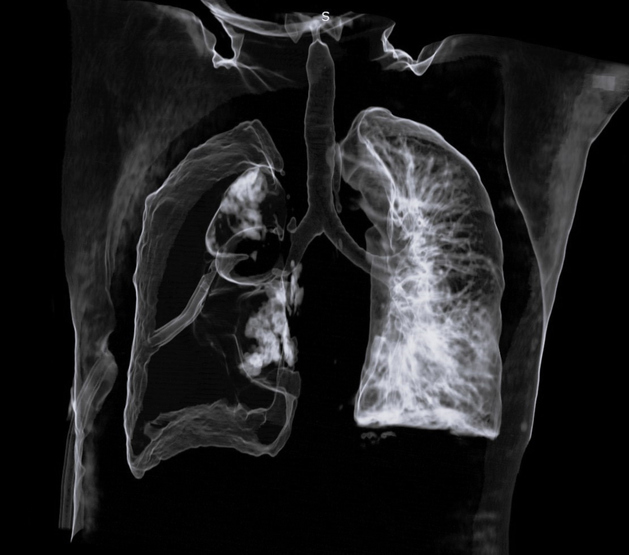
Up to a third of the 800,000+ CT-guided lung biopsies performed annually in the U.S. result in pneumothorax, a collapsed lung that often leads to a multi-day hospital stay. This complication costs the country’s healthcare system hundreds of millions of dollars a year, with a single case able to erode the margin of 20-30 uncomplicated biopsies.
An Irish startup has developed an FDA-cleared device to prevent that expensive complication before it happens. The Dublin-based company, called Selio Medical, is raising a €5 million Series A ahead of its U.S. commercial launch this fall.

Where Will AI Deployment Benefit Payers the Most?
We are taking a look at how health insurers are using AI, defining success, and managing cybersecurity risks. Give us your opinions by completing our brief, anonymous survey.
Existing approaches to pneumothorax — such as the “blood patch” technique, where clinicians inject a patient’s own blood into the needle tract, and rolling patients onto the puncture site to seal it with body weight — all share the same flaw, which is that they try to treat the collapsed lung after it’s already happened, according to Selio CEO Colm McGarvey.
“Because pneumothorax is so common, there have been many mitigation approaches for it, but they’ve all been post-biopsy, and that has lacked efficacy for that very reason,” McGarvey pointed out during a presentation at a digital health event last week at the Guinness Enterprise Centre in Dublin.
Selio’s device takes a different approach sealing the lung with a biodegradable hydrogel plug before the clinician takes the tissue sample. This way, no air can escape through the puncture in the first place, McGarvey explained.
The product is a pre-filled syringe containing the hydrogel, which attaches to the same introducer tool clinicians already use during a standard biopsy. After the needle reaches the lung, the clinician pauses to deliver the plug, then continues the procedure as normal. McGarvey said it adds about two minutes to their workflow.


Inside an Automated Healthcare Practice: Redesigning Care Around People, Not Paperwork
By reducing administrative burden and redesigning workflows around human needs, it creates space for what matters most: connection between clinicians and patients.
The hydrogel forms an 8-10 millimeter seal around the puncture site, which is visible under CT imaging. Then, it naturally biodegrades within about two months.
McGarvey noted that the device has already been validated against the only comparable product on the market. He pointed to a head-to-head preclinical study against Biosentry, the only other FDA-cleared device for this indication, which showed that Selio’s technology reduced pneumothorax cases by 70% with no clinically significant complications reported.
The company is now preparing to bring that data into U.S. hospitals, starting with two New York medical centers this fall, McGarvey said.
Editor’s note: This story is based on discussions held during a trip hosted by Enterprise Ireland. The organization invited MedCity News Associate Editor Katie Adams to attend — travel expenses were covered by Enterprise Ireland, but company officials had no input in editorial coverage.
Getty Images: RAJAAISYA/SCIENCE PHOTO LIBRARY