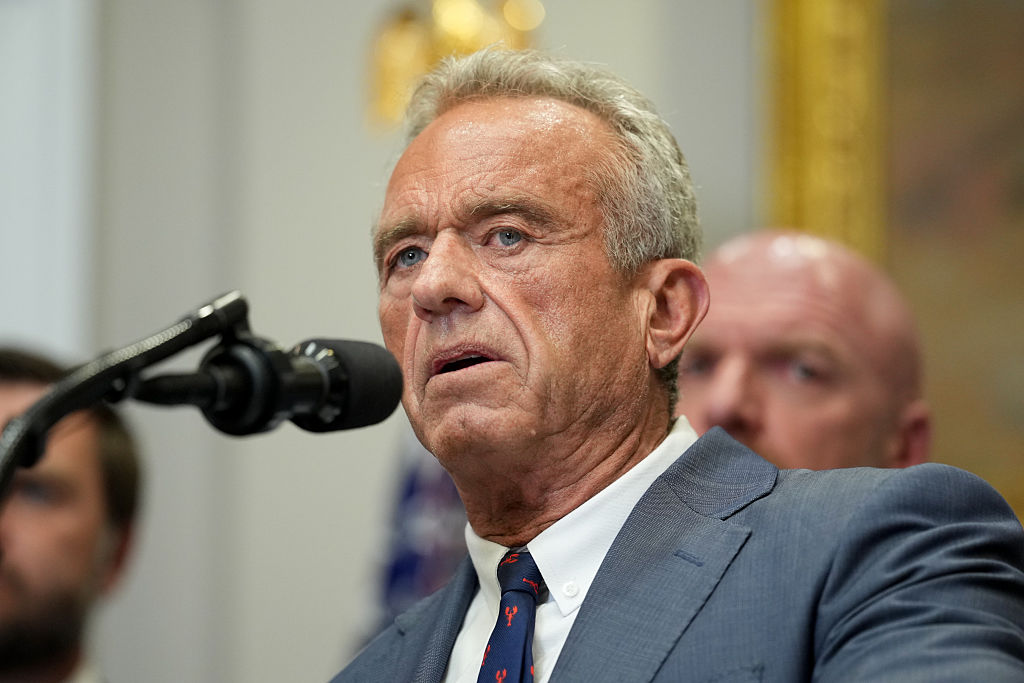
HHS Secretary Robert F. Kennedy Jr. announced eight new members to the U.S. Preventive Services Task Force (USPSTF) on Thursday, filling out the 16-member volunteer panel.
Below are five things to know about the announcement.
—The USPSTF, founded more than 40 years ago, is a panel of experts who make recommendations on preventive health services like screenings, counseling and medications to improve the country’s population health. When the Affordable Care Act was passed in 2010, the law gave the USPSTF new power by requiring payers to fully cover preventive services at the panel rates A or B.

Why Pharma Companies Should Look To Social Media For Better Patient Insight
Healthcare decision-makers, especially at pharmaceutical companies, must prioritize patient input. Data collected from social media listening is a significant step in the right direction.
—Seth Corey, a pediatric hematologist-oncologist at Cleveland Clinic, will serve as the task force’s new chair. He will be joined by appointees including pediatrician Patrick Hunter, cardiologist Ronald Karlsberg, preventive-cardiology professor Venkatesh Murthy, health economist Stephen Parente, family physician Goldie Stands-Over-Bull, gastroenterologist Louis Wilson and radiologist Dennis Wulfeck.
—The appointments come nearly four months after Kennedy dismissed vice chairs John Wong and Esa Davis, which resulted in outcry from healthcare groups. Kennedy had been clashing with the panel, with reports emerging last year that he wanted to dismiss all of the USPSTF’s members due their views being too “woke.” The announcement also follows a stretch in which five other members’ terms expired without replacement, and the previous chair departed on his own.
—Kennedy said the move will strengthen the task force’s scientific rigor, noting that the new appointments will “ensure it asks hard questions, follows the evidence wherever it leads and maintains the highest standards of scientific integrity.”
—The American Medical Association reacted to the news with caution, noting that the task force’s new additions represent “a significant departure” from its traditional membership. The AMA added that “maintaining a strong primary care voice must remain central” to the USPSTF’s work and that its recommendations “must continue to be based on a transparent, rigorous, independent scientific process and informed by the perspective of physicians who deliver preventive care to patients every day.”


From Blind Spots to Better Outcomes: How SNF Data Transparency Strengthens LTSS
What if health plans could identify member decline before an avoidable hospitalization occurs? Real-time clinical visibility into long-stay SNF members uncovers risk earlier and drives better outcomes.
Photographer: Eric Lee/Bloomberg via Getty Images