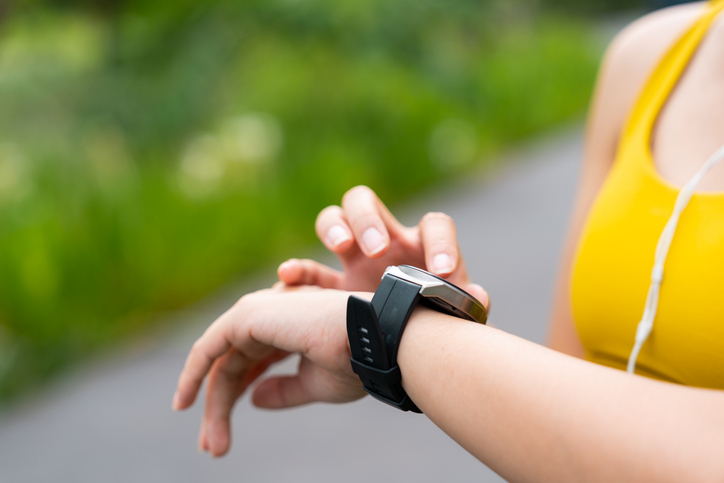
The evolution of the wearables sector and applications for healthcare has been fascinating.
It used to be that consumer wearables like Fitbit and smartwatches occupied a segment focused on the worried well and were regarded as completely separate from clinical spaces. Their growing tech sophistication coupled with the rise of AI could pave the way for some interesting collaborations and advancements in healthcare. Expanding their use to monitor vital signs, gait, and even infer hydration based on sweat rate and activity level could help remotely monitor patients. These developments could also pave the way for wearables to be used for clinical trials on a wider scale.
The ability to transmit data from wearables makes them even more valuable as a way to remotely monitor health, although a reliable way to include this data in an EHR is not yet practical on a large scale.
Why Pharma Companies Should Look To Social Media For Better Patient Insight
Healthcare decision-makers, especially at pharmaceutical companies, must prioritize patient input. Data collected from social media listening is a significant step in the right direction.
The INVEST Digital Health conference, scheduled for October 29 at Pegasus Park in Dallas, which will spotlight the consumer influence in healthcare, will include a discussion on wearables in the session, How Are Wearables Changing Health Behavior?
It includes speakers from ŌURA, a smart ring business from Finland that recently filed an IPO, Withings and AliveCor, which developed a way to convert a smartphone into an EKG. Here’s a description of the session:
Millions of people across the country don wearable devices like smartwatches and smart rings every day. These devices have moved beyond step counting into the continuous monitoring of sleep, heart health, stress and metabolic signals. Listen to industry leaders discuss how they’re working to validate wearable data and integrate it into care delivery, as well as what they see coming down the pipeline in terms of reimbursement and regulatory pathways for wearable-driven care.
Speakers:


Automation Didn’t Dehumanize Care. Bad Systems Did.
We have the opportunity to design systems that give people greater capacity for the work where human presence matters most: listening, understanding, reassuring, deciding, and caring.
Tanvi Jayaraman, Clinical Lead for Health AI, ŌURA
Patrick Sheehan, VP of Value-Based Care, Withings
Ben Green, Chief Clinical Officer, AliveCor
Peter Micca, Managing Partner, Caduceus Capital Partners
Policy developments, particularly HHS Secretary Robert F. Kennedy Jr.’s move last year calling for widespread public adoption of wearable healthcare technologies has added to the interest in wearable technology applications. Kennedy said they are key to his Make America Healthy Again agenda, which seeks to combat the rise of chronic disease, among other things.
Wearable technology developments continue. Earlier this month, Nutromics secured a breakthrough device designation for a wearable patch that monitors vancomycin levels in real time. The widely used antibiotic for life-threatening infections like sepsis is notoriously difficult for clinicians to get the right dosage.
It will be interesting to see how this sector continues to evolve. Join us at INVEST Digital Health and be part of the conversation.
Click here to view the full agenda and register today!
Photo: Twenty47studio, Getty Images