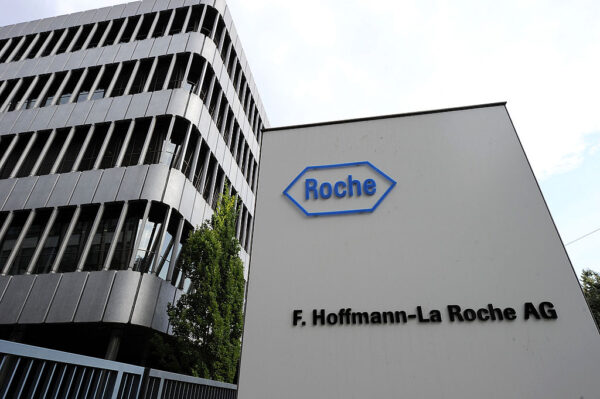
For Roche to catch up to Eli Lilly and Novo in metabolic medicines, it needs its drugs to offer differentiation from those rivals. Roche might have just found a way, agreeing to pay $100 million to license a contender that brings a different modality to a new obesity target.
The drug comes from Shanghai-based Rona Therapeutics. According to deal terms announced Tuesday, Roche gains global rights to the molecule, whose name was not disclosed. It’s the latest in a series of Roche business deals to build up the company’s metabolic drug pipeline.
Formed in 2021, Rona develops RNA interference (RNAi) drugs, an approach that uses small interfering RNA (siRNA) to degrade messenger RNA, interfering with the translation of a disease-driving protein. This approach is sometimes called “gene silencing.” RNAi drugs first reached patients as treatments for liver disorders, but the field has been working to expand the modality beyond the liver. Roche’s new drug comes from a Rona platform technology that enables extrahepatic drug delivery. Rona also claims its therapies offer the potential to be best in class with longer duration, deep knockdown of target proteins, and improved tolerability.


From Blind Spots to Better Outcomes: How SNF Data Transparency Strengthens LTSS
What if health plans could identify member decline before an avoidable hospitalization occurs? Real-time clinical visibility into long-stay SNF members uncovers risk earlier and drives better outcomes.
The Rona pipeline lists two obesity drug, both in preclinical development for undisclosed targets. The target of Roche’s newly licensed drug is activin receptor-like kinase 7 (ALK7), a protein that is primarily expressed in fat cells. ALK7 plays a role in a signaling pathway that regulates fat storage, the breakdown of stored fats, and the balance of the intake and expenditure of energy.
Rona points to genetic studies showing that reducing ALK7 activity is associated with favorable results in fat distribution and metabolic measures. Unlike the currently available peptide drugs designed to mimic gut hormones to affect appetite and energy intake, Ronas say ALK7 inhibition acts directly on the biology of fat tissue. This different approach offers the potential for use as a standalone treatment or in combination with established obesity drugs.
“Obesity represents a significant health challenge that requires differentiated treatment options for patients,” Boris Zaïtra, Roche head of corporate business development, said in a prepared statement. “We are excited to partner with Rona Therapeutics, complementing our robust [cardiovascular, renal & metabolic disease] pipeline and reinforcing our commitment to delivering next-generation metabolic therapies.”
Roche jumped into obesity drug R&D with the $2.7 billion acquisition of Carmot Therapeutics in 2024. The Carmot drugs address GLP-1 and GIP receptors, the same targets as Lilly and Novo’s obesity drugs. Last year, Roche began a partnership on petrelintide, a Zealand Pharma peptide designed to activate the receptor for amylin, a hormone key to regulating blood sugar and appetite. One goal for petrelintide is reducing fat in a way that does not also lead to muscle loss, a known problem for obesity drugs. Roche added yet another approach to obesity in August, licensing a Hanmi Pharmaceutical peptide designed to activate CRF2 receptors to reduce fat and increase muscle mass.


Closing the Quality-Affordability Gap in Workplace Mental Health
In an interview, Kyan Health Co-Founder and Chief Commercial Officer Konstantin Struck discussed how Kyan gives mid-market and enterprise employers access to premium workforce mental healthcare, at a price point that is affordable.
With the Rona drug, Roche joins a growing group of companies testing siRNA therapies in obesity. Wave Life Sciences’ siRNA drug WVE-007 goes after a different but related target. It’s designed to silence INHBE, the gene that provides the instructions for activin E, a liver-secreted protein that activates ALK7. Wave has said WVE-007 is intended to stimulate the breakdown of fat while preserving muscle. Late last year, Wave announced preliminary Phase 1 results that it said support once- or twice-yearly dosing. Last month, the company began a Phase 2a study testing WVE-007 in combination with the Lilly obesity drug Zepbound.
GSK joined the ALK7 chase in May, licensing rights to Suzhou Siran Biotechnology’s SA030, a long-acting siRNA in development for metabolic and vascular diseases. The deal calls for SiranBio to complete the ongoing Phase 1 study. After that, GSK will be responsible for further development of the drug outside of Greater China.
Arrowhead Pharmaceuticals has two siRNA therapies in development for obesity: the ALK7-targeting drug ARO-ALK7 and the INHBE gene-silencing therapy ARO-INHBE. Both are in Phase 1/2a testing. Meanwhile, RNAi therapies pioneer Alnylam Pharmaceuticals has an INHBE-targeting siRNA drug in preclinical development for obesity.
Biotech company iBio takes yet another approach with IBIO-610, an antibody designed to block activin E. In July, iBio reported results in monkey tests showing a single dose achieved near complete inhibition of the target protein through eight weeks. These results also showed fat loss and muscle preservation.
The $100 million that Roche agreed to pay Rona consists of an upfront and near-term milestone payments. Rona could receive up to $1.06 billion more if the drug achieves milestones, plus royalties from sales if it reaches the market.
Photo: Giuseppe Aresu/Bloomberg, via Getty Images