
From earlier disease detection to streamlined clinical workflows, artificial intelligence is popping up in nearly every clinician’s workflow one way or another. The real test of whether all the hype is worth it? Determining how that technology translates into better patient outcomes and smoother care coordination for clinicians.
UpToDate has been a resource for clinical information, offering medical providers evidence-based content that is authored, updated, and reviewed by thousands of physicians. Now, a new partnership announced this week at the annual HLTH conference in Las Vegas is bringing that resource directly into the workflows where clinicians coordinate care for their sickest patients.
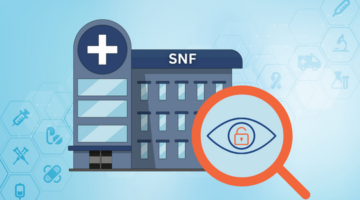
From Blind Spots to Better Outcomes: How SNF Data Transparency Strengthens LTSS
What if health plans could identify member decline before an avoidable hospitalization occurs? Real-time clinical visibility into long-stay SNF members uncovers risk earlier and drives better outcomes.
Viz.ai and Wolters Kluwer Health – which owns and operates the UpToDate platform – will integrate UpToDate Expert AI directly into Viz.ai One, the San Francisco-based company’s AI-powered care coordination and disease detection platform. Viz.ai says its platform is used in 2,000 hospitals across the United States and helps clinicians spot which patients need attention sooner with real-time disease detection and synchronized care team communication. Wolter Kluwer Health is based in Alphen aan den Rijn, the Netherlands, and serves customers in over 180 countries worldwide with information solutions, software, and services for professionals in healthcare and other domains.
The integration will allow medical providers to ask clinical questions and get the evidence-based answers they’re accustomed to finding on UpToDate, informed by the individual patient data provided by Viz.ai, all without leaving their existing workflow. The tool competes with other AI-powered medical resources, such as OpenEvidence, a clinical decision support platform and medical search engine.
The idea builds on one essential premise: getting the right information to the right clinicians faster can have far-reaching benefits for their patients.
This concept is especially clear in time-sensitive conditions such as stroke. When the brain isn’t getting the blood flow it needs, every minute lost can worsen patient outcomes. Prompt treatment can help to preserve long-term functional ability, and potentially save a life.

How Innovation in BTK Inhibitor Development Is Improving Treatment Outcomes
BTK inhibitor has become an important treatment option for certain B-cell malignancies.
A 2023 study published in the American Journal of Neuroradiology examined what happened after the implementation of Viz.ai at a comprehensive stroke center. Researchers found that after the platform’s deployment, the hospital’s door-to-groin times – the critical window between a patient’s arrival and the insertion of a catheter for thrombectomy – decreased by 39% for patients arriving with large vessel occlusions during off hours. The researchers attributed the improvements to Viz.ai’s provision of faster access to imaging and more coordinated communication between care team members.
For Dr. Andrew Ibrahim, chief clinical officer at Viz.ai, the next opportunity is to offer medical providers the clinical information they’d seek out anyway all in one place, specifically tailored to the patient in front of them.
“Embedding UpToDate Expert AI inside Viz.ai One fundamentally changes when and how clinicians use clinical evidence,” said Ibrahim in an email. “Clinicians don’t have to stop what they’re doing and go look it up.”
He emphasized that the tool doesn’t make clinical decisions, but rather provides clinicians with the information they need to manage timely and effective care, including clear details about where the in-app information is sourced from.
“Keeping the sources visible is deliberate, because it keeps the physician checking the reasoning instead of just accepting an answer,” Ibrahim said. “ There’s no shortage of AI tools that will give you an answer, but UpToDate’s comes from evidence that physicians already trust and have relied on for decades.”
For busy clinicians and swamped hospital systems, the power of today’s new technologies goes beyond simple convenience or speed. The smart use of these tools can mean better outcomes that make a tangible impact on patient lives.
Photo: Jane1, Getty Images