
In healthcare, big data alone isn’t enough
Healthcare organizations have mastered the art of data collection. But in order to be forward-looking, they need to focus on how to turn their data into valuable information.
Healthcare organizations have mastered the art of data collection. But in order to be forward-looking, they need to focus on how to turn their data into valuable information.

The paternalistic worldview of the "doctor knows best" is (largely) on the way out. But what if it's replaced by data? Could data one day silence the intangible reasons patients have for requesting different therapies; or be used to deny certain therapies based on a set of probabilities?


Greenway Health blends smart technology with human expertise to elevate revenue cycle.
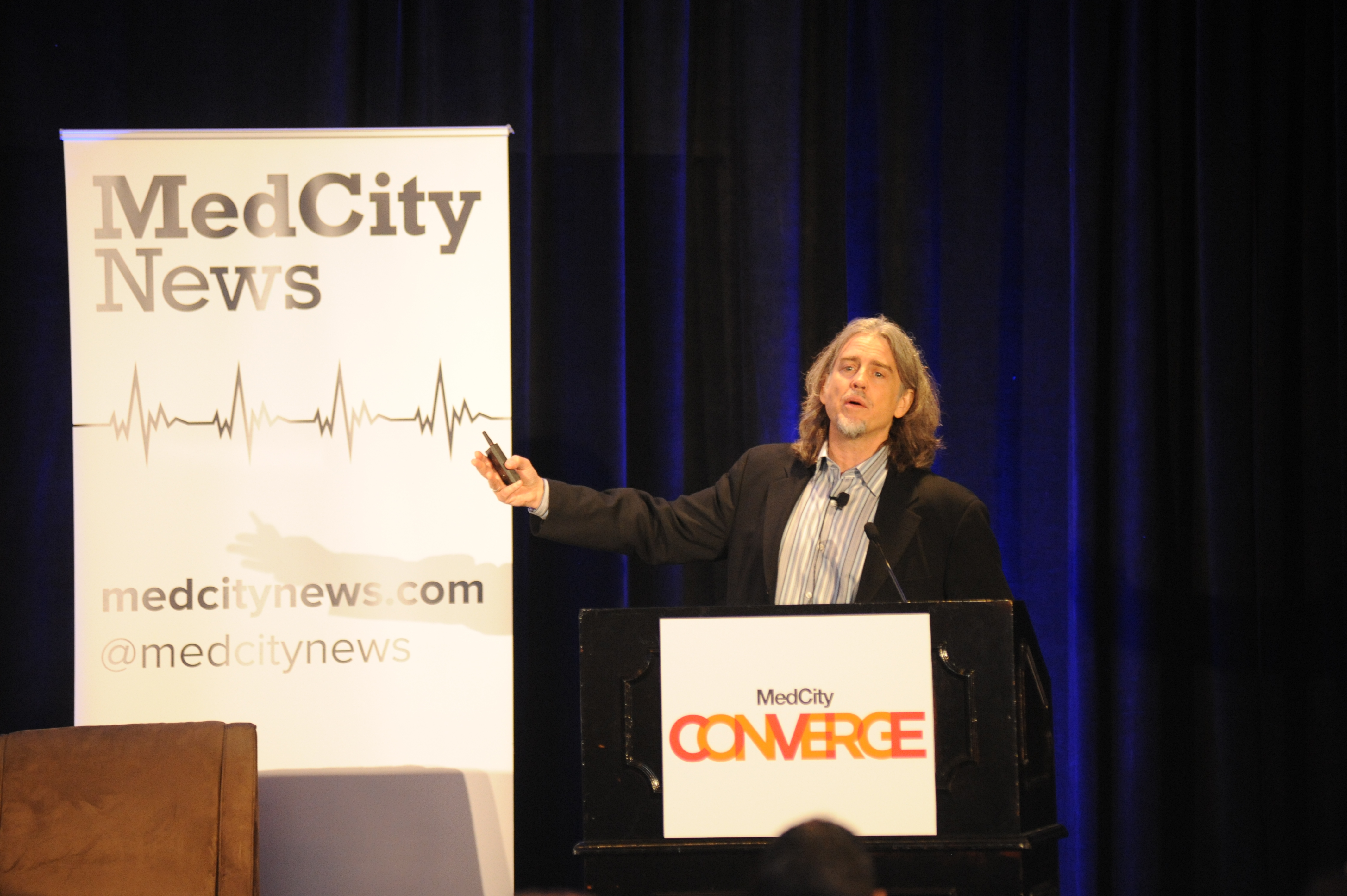
On day two of MedCity CONVERGE, John Quackenbush of the Dana-Farber Cancer Institute highlighted the benefits and the challenges that accompany big data.
Recently, MedCity News spoke with a pair of top executives at global supercomputing ...

What would happen if we attacked cancer from an agnostic, 10,000-foot point of view? As president of the Biden Cancer Initiative, Greg Simon is determined to find out.
“Single mutations or single genomic alterations are only really getting us part of the way to a solution,” said John Quackenbush, director of the Center for Cancer Computational Biology and a keynote speaker at MedCity CONVERGE, on the state of precision medicine.


In a recent interview, Esperion president and CEO, Sheldon Koenig talks about the reality of statin intolerance and his company’s expansion into new diseases
The report draws some interesting conclusions on the impact virtual visits, wearables, and predictive analytics will have on how healthcare is delivered in the future.

At the DIA 2017 annual meeting, Global Chief Executive Barbara Lopez Kunz shared her passion for DIA and her thoughts on what the future of healthcare holds.

Big data analytics might just be the proactive piece of the puzzle we’ve been missing – and the potential for this realistic type of fortune telling could not come at a more exciting time.

As part of the relaunch, New York-based Prognos is making an aggressive push into the payer market to augment its predictive analytics work with life sciences and diagnostics clients.
Across the nation, state-based health insurance exchanges are searching for ways to better serve their communities while making enrollment easier, more personal, and more accessible for everyone.

IBM Watson Health and Illumina have formed their very own dream team for tumor sequencing, curation and interpretation. Combined, the two platforms help make cancer genomics more accessible and scalable, but it's the potential for greater scientific standardization that the field needs most.

The world of data-driven diabetes care has been blown open in the last couple of years with advances in continuous glucose monitoring, digital health and, for Type 1 diabetics, the arrival of the "artificial pancreas."
Lumiata's Risk Matrix is designed to offer predictions for 20 chronic condition patient populations, such as diabetes, chronic kidney disease and congestive heart failure.
CMS is supporting the incorporation of FDA's unique device identifiers in insurance claims forms, a boon to medical researchers who would receive a bounty of data about medical device safety and effectiveness.

Biden's aim to outwit cancer can demolish another scourge in healthcare: silos.