
Why Settle for Acceptable Versus Optimal Outcomes?
New 3D printed technology makes lower extremity surgeons architects of restoration, not adaptation.
New 3D printed technology makes lower extremity surgeons architects of restoration, not adaptation.

A recent webinar sponsored by Formlabs underscored the value of 3D printing from a clinical perspective and offered insight on how commercial and regulatory players are thinking about this space.


Discover the top AI-powered EAP providers for 2026. Compare platforms like Kyan Health and Spring Health on triage speed, global reach, and clinical quality to transform workforce wellbeing.
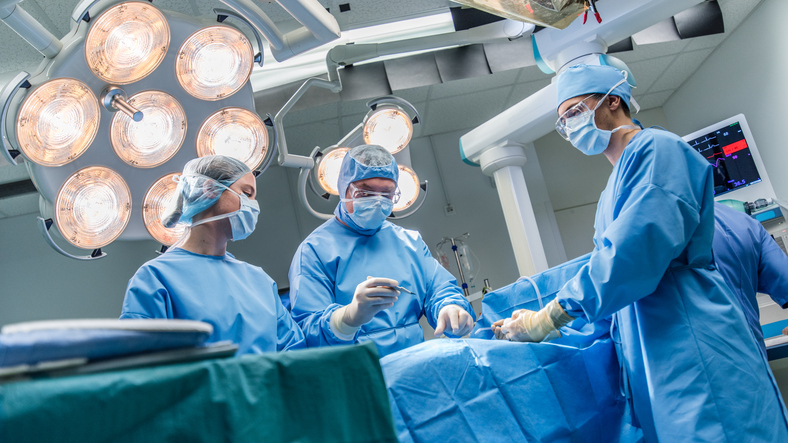
The report found that nearly 73,000 people on Medicare had one of the seven devices replaced because of recalls, premature failures, medically necessary upgrades or infections.
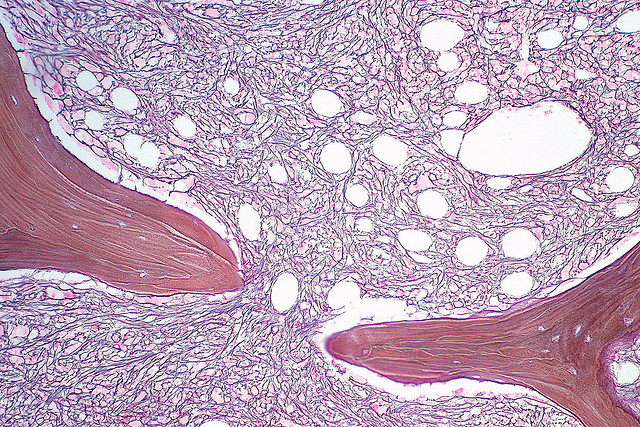
Vivex Biologics is in the midst of raising a $10 million round to support its advanced tissue and bone implants.

"Cyborg brains," in the form of brain implants, are in development at the University of Southern California.
The FDA finally made its final unique device identifier rule this week, but the document is thousands of pages long. Jay Crowley, senior adviser of patient safety at the FDA, highlighted seven of the big changes medical device manufacturers should note from last year’s draft to the final. Here they are in laymen’s terms. 1) […]

In an interview, Kyan Health Co-Founder and Chief Commercial Officer Konstantin Struck discussed how Kyan gives mid-market and enterprise employers access to premium workforce mental healthcare, at a price point that is affordable.
If perception is reality, reality might be about to get quite a bit more intense: Super-senses are no longer just for Peter Parker and Clark Kent. A Duke University study published in Nature Communications shows with a brain implant and some training we may be able to significantly enhance sight, hearing and taste in mammals. Researchers […]
Medtronic makes history in neurostimulation devices today, receiving FDA-approval for the first implantable spinal cord stimulation systems for use in the treatment of back pain for conditionally safe full-body MRI under specific conditions. Its RestoreSensor® SureScan® MRI neurostimulation systems will allow patients with the implant to undergo an MRI, previously impossible due to the magnetic fields […]