
The Myth of Insurance Networks
How America's outdated insurance model is failing at its most important job
How America's outdated insurance model is failing at its most important job
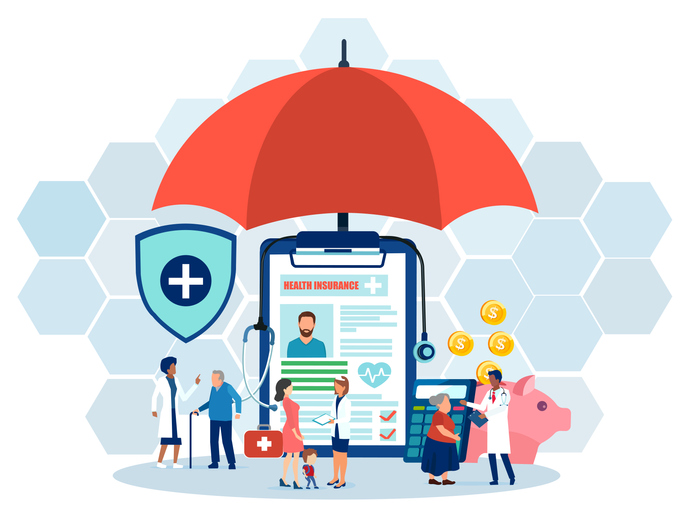
More brokers are introducing medical gap insurance, more employers are adopting it, and more employees are benefiting from the added protection. The next step is making sure awareness keeps pace with need.

We are taking a look at how health insurers are using AI, defining success, and managing cybersecurity risks. Give us your opinions by completing our brief, anonymous survey.


Anyone can locate an optimal plan by learning where to find top-rated health insurance agents in California from some of the best companies in the state.


Here are some of the top online health insurance options worth exploring — each designed to simplify coverage decisions while meeting California’s high standards for accessibility and compliance.


Across the nation, state-based health insurance exchanges are searching for ways to better serve their communities while making enrollment easier, more personal, and more accessible for everyone.
The 2026 Medicare Advantage Rate Announcement is more than just funds allocation — it signals a policy shift. It’s the next phase of value-based care and encourages every stakeholder in the MA ecosystem to rise to the occasion.


We have the opportunity to design systems that give people greater capacity for the work where human presence matters most: listening, understanding, reassuring, deciding, and caring.

The next chapter in employer-sponsored benefits might very well be defined by who is carrying the risk — and it's time for employers to face whether they're financially able or willing to shoulder that responsibility.

The tools exist today to significantly reduce PA's burden on our healthcare system, we just need to mobilize and implement them.

As AI has evolved to be more accurate and reliable, it's become suitable for high-stakes use cases including automating health insurance verification.

The status quo for medical malpractice insurance is no longer good enough. While we must always prioritize the need for accountability when it comes to medical malpractice, we must also consider how challenges like increased premiums, rising costs and new risks are impacting providers and consequentially patients.


What if health plans could identify member decline before an avoidable hospitalization occurs? Real-time clinical visibility into long-stay SNF members uncovers risk earlier and drives better outcomes.
The time to innovate is now. By embracing transformative solutions, insurers and employers can not only address systemic challenges but also create a future where healthcare is equitable and sustainable.

Eli Lilly is slashing prices for its insulin products and capping a patient’s monthly out-of-pocket costs at $35. But a financial analyst notes that the company can afford to cut prices on older medicines like insulin because the strategy will help it maintain pricing power for innovative new drugs.

A Michigan Medicine study found that rural residents had higher rates of uninsurance before, during and after pregnancy than urban residents. There were also significant disparities among Hispanic and Indigenous populations, the study found.

This is a reversal from several years ago, when more Medicare Advantage beneficiaries switched to traditional Medicare, a recent report found. Medicare Advantage has grown in popularity over the last several years.

About 31% of women ages 18 to 64 with health coverage said that in the last year, they or a family member received care that their health plan did not cover at all or paid less than expected. In comparison, 26% of men said this, according to a KFF survey.