
Stop Pitching the Institute — Pitch the Stack
Health-tech pilots don't usually fail because the product is bad. They fail because the system was never wired to absorb it.
Health-tech pilots don't usually fail because the product is bad. They fail because the system was never wired to absorb it.

Current AI tools often increase the disruption that radiologists already experience from using non-integrated platforms.


We have the opportunity to design systems that give people greater capacity for the work where human presence matters most: listening, understanding, reassuring, deciding, and caring.

Healthcare needs systems that work for providers, for health plans, and most importantly, for patients. And that starts with designing not just for technology, but for the people who depend on it, people who need to trust it will work when it matters most.

As biologics modalities diversify and processes grow complex, the success of tech transfer depends on integrated execution rather than each procedural completion.

Growth without structural discipline creates risk. And the risk that has gone largely unexamined in the DPC advocacy space is the one that matters most to the broader healthcare system: what happens to insurance risk pools when healthy lives migrate out of them?

Healthcare can transform only when strategy, workflow, data, and human connection operate together with a single purpose: strengthen the relationship at the center of care.


Healthcare payments are no longer about transactions. It’s about controlling the revenue cycle. And increasingly, that control is not sitting with ISOs.

Healthcare’s next transformation will not come from algorithms that try to replace doctors but from infrastructure that connects their tools.

Instead of creating new opportunities, traditional EMRs are constraining AI’s potential in healthcare.
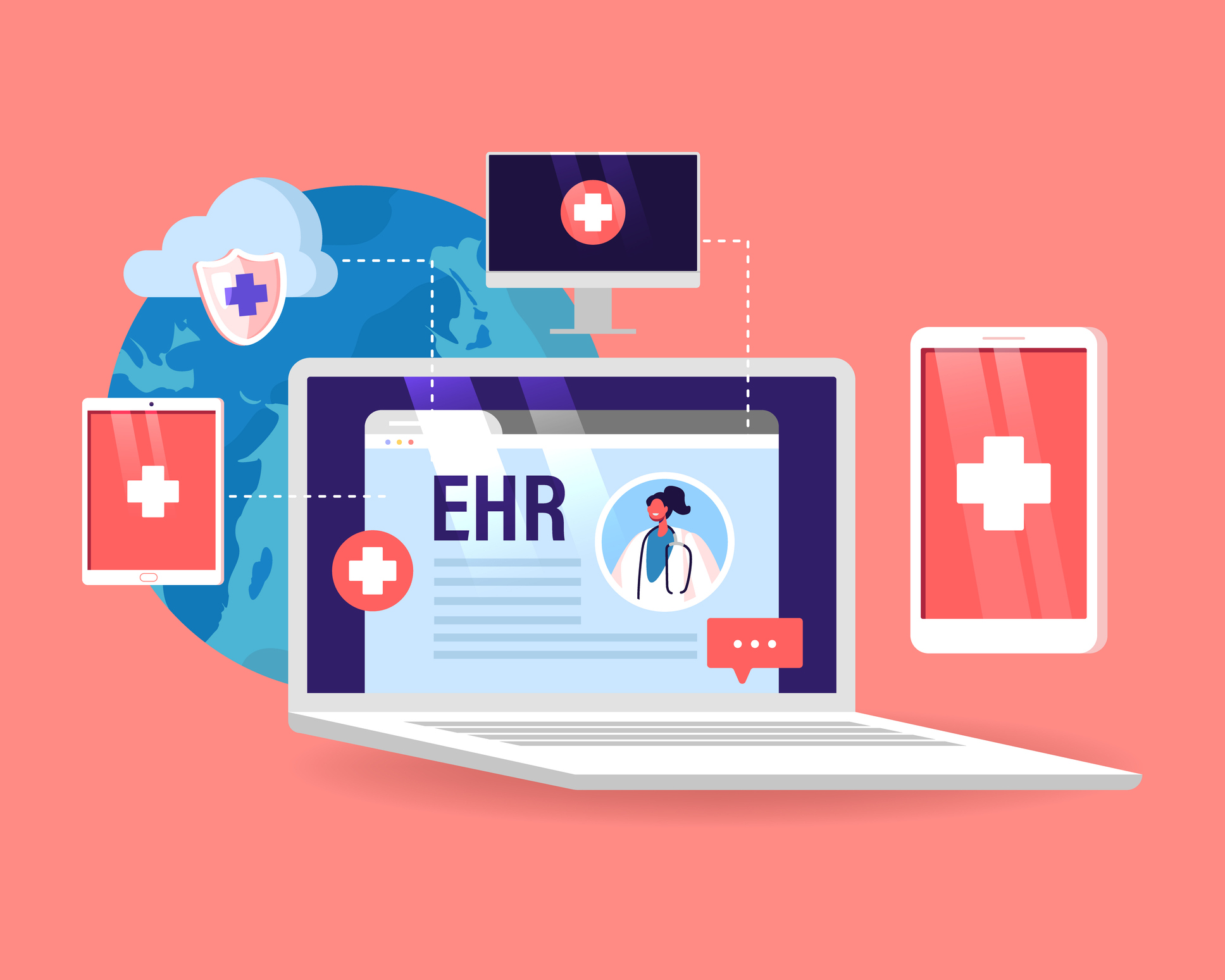
A clinically led, cross-functional team approach is essential during medical device integration projects to close data gaps, overcome common project pitfalls, complete optimal testing, and ensure proper oversight.

Providers stand to gain a lot by making smart AI and automation decisions, but that value depends on investing in the right places. It may be tempting to plug in a single-point solution to fix an immediate challenge, but a more strategic, long-term approach will unlock greater value.
What if health plans could identify member decline before an avoidable hospitalization occurs? Real-time clinical visibility into long-stay SNF members uncovers risk earlier and drives better outcomes.

As AI tools continue to evolve, they promise to empower clinicians and administrators with actionable insights, improve patient outcomes, and create more resilient healthcare systems.

The case for modernization isn’t solely about improving efficiency. It’s about equipping hospitals with the resources necessary to manage risk proactively, respond to negative trends quickly, and prioritize patient safety with high reliability.

As real-time inference overtakes training-centric approaches, a pivotal question emerges: how can the human element remain central in an increasingly autonomous ecosystem?

Simplifying payments isn’t just about transactions; it’s about building better relationships and ensuring financial health through protection, payment choice, scale, and integration.

The right AI model applied to the right problem exponentially enhances our ability to match patients with potentially life saving treatments faster and more effectively. The only “trick” required for truly successful AI integration — in life sciences or any other facet of the healthcare industry — is clarity of purpose.