
GLP-1s Are Working — Now Medicine Needs to Measure What Matters
If we do not get this right, we may inadvertently cause a new sarcopenia epidemic while congratulating ourselves on solving obesity.
If we do not get this right, we may inadvertently cause a new sarcopenia epidemic while congratulating ourselves on solving obesity.

Eli Lilly’s retatrutide set a high mark in weight loss for obesity drugs, but with clinical trial results that show some new side effects. More detailed data from the Phase 3 study are scheduled for presentation next month during the American Diabetes Association Scientific Sessions meeting.


Healthcare payments are no longer about transactions. It’s about controlling the revenue cycle. And increasingly, that control is not sitting with ISOs.
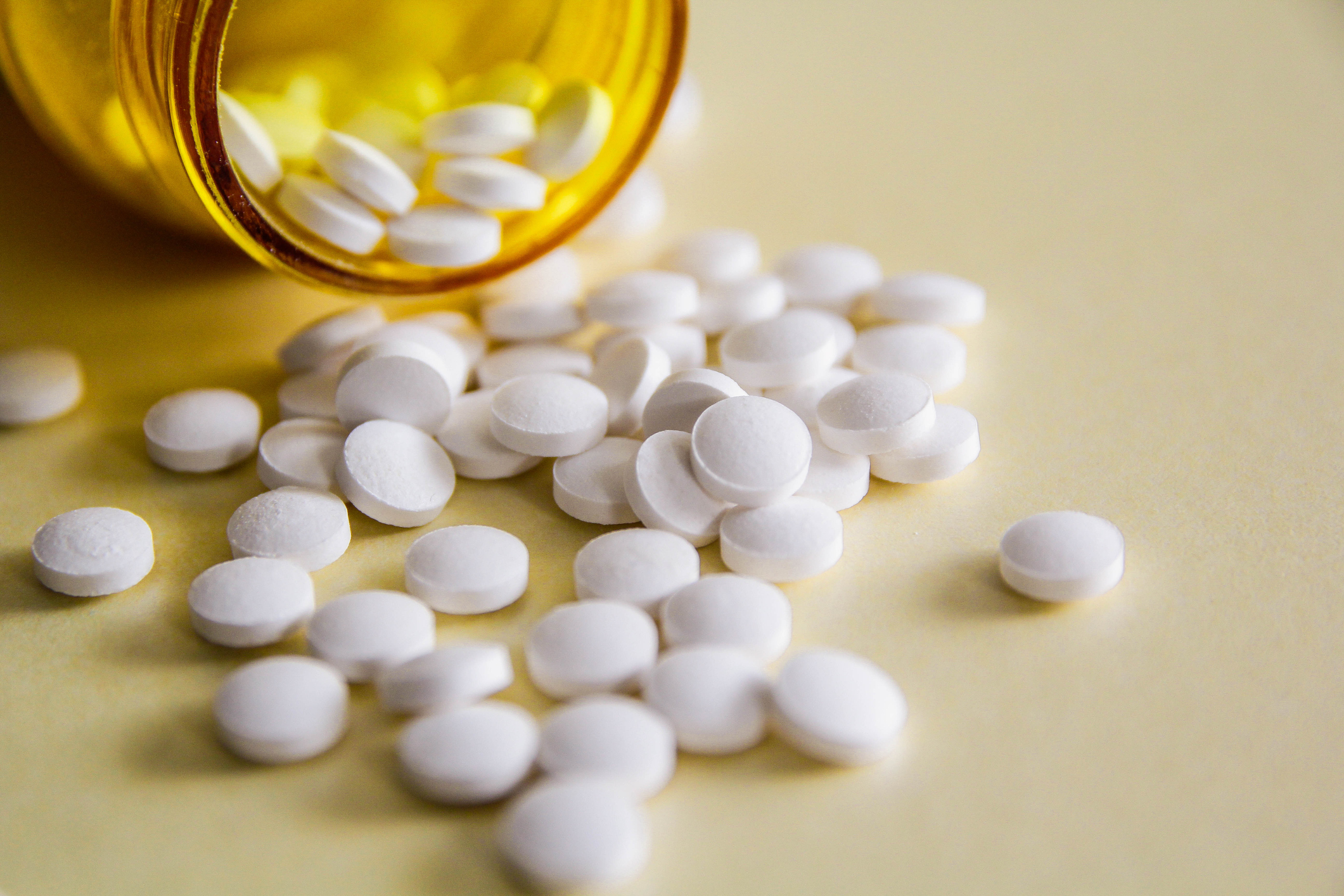
Structure Therapeutics’ aleniglipron, a once-daily oral GLP-1 drug, led to an average 16% weight loss measured at 44 weeks. Based on these results, the biotech is preparing for Phase 3 testing expected to begin in the second half of this year.
Petrelintide posted Phase 2 results showing tolerability comparable to a placebo, but average weight loss that was less than what analysts expected. The Zealand Pharma drug, in development under a partnership with Roche, is a peptide engineered to activate the amylin receptor.
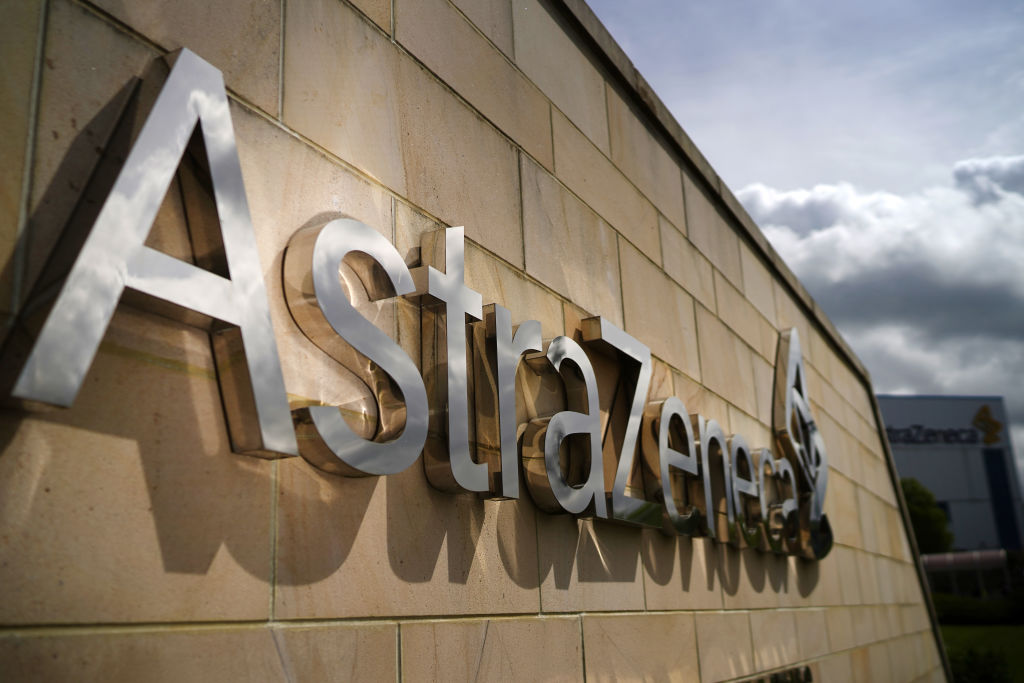
AstraZeneca’s deal with CSPC Pharmaceutical Group includes a Phase 1-ready obesity drug that hits the same targets as Eli Lilly’s obesity drug Zepbound, but with monthly dosing. The new collaboration builds on an existing drug R&D relationship between the two companies.

Beyond weight reduction and long-term maintenance of weight loss, the FDA decision for oral Wegovy covers use of the once-daily pill for reducing the risk of major cardiovascular events. Novo Nordisk expects the Wegovy tablet will launch in early January.

What if health plans could identify member decline before an avoidable hospitalization occurs? Real-time clinical visibility into long-stay SNF members uncovers risk earlier and drives better outcomes.
While Skye Bioscience said its drug nimacimab may yet achieve better weight loss results with higher doses, the company and analysts are interested in the drug’s potential to be combined with Novo Nordisk’s Wegovy. Skye’s drug is an antibody designed to preferentially target CB1 receptors in the gut, offering an alternative approach to activating GLP-1 receptors.
Response Pharmaceuticals takes a new approach to weight loss with an oral small molecule designed to inhibit a protein called iMTP to reduce uptake of fats and cholesterol. While this drug’s lead indication is addressing weight gain in patients taking antipsychotics, the company is also exploring other metabolic indications such as patients who need a post-GLP-1 therapy.
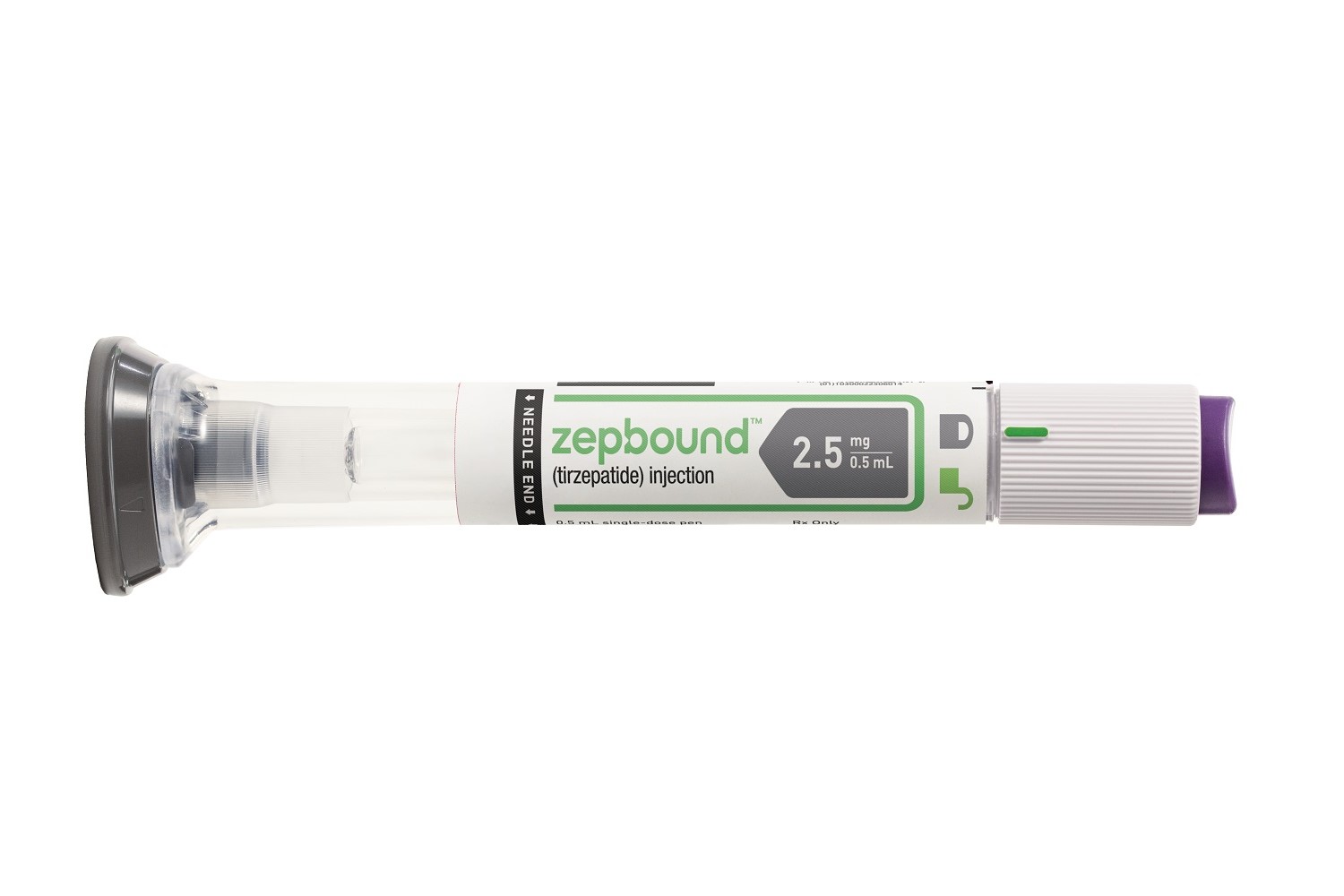
Eli Lilly reported that in addition to achieving greater reductions in weight, Zepbound-treated patients achieved greater reductions in waist circumference compared to those treated with Novo Nordisk’s Wegovy. Full details from the head-to-head Phase 3 test were presented at the European Congress on Obesity meeting.

Novo Nordisk gets global rights to Lexicon Pharmaceuticals’ LX9851, an oral small molecule with a first-in-class approach to sparking weight loss. The licensing agreement comes months after Lexicon reported encouraging preclinical data from tests of LX9851 in combination with semaglutide, the main ingredient in Novo Nordisk’s Wegovy.

We are taking a look at how health insurers are using AI, defining success, and managing cybersecurity risks. Give us your opinions by completing our brief, anonymous survey.
Novo Nordisk is licensing rights to a United Biotechnology drug that sparks metabolic effects by binding to and activating receptors for GLP-1, GIP, and glucagon. Separately, the pharma giant said its recently announced discounted price for obesity medication Wegovy is now expanding to traditional pharmacies.

Investors showed appetite for Metsera’s IPO, as shares of the clinical-stage metabolic medicines biotech popped 47% in their Nasdaq debut. Maze Therapeutics and Beta Bionics also priced IPOs; the three companies raised $636 million combined.
Novo Nordisk’s amycretin is a single molecule designed to bind to two targets to spark weight loss — a different approach than some of the pharma giant’s other efforts to develop next-generation obesity drugs. Analysts say the lack of safety and tolerability details make it difficult to fully assess the preliminary Phase 1b/2a results.
BioAge Labs said the potential safety problem was observed in some who received experimental drug azelaprag, which is being tested as a monotherapy and in combination with Eli Lilly obesity medication Zepbound. No safety signals were observed in those who received Zepbound alone.
Eli Lilly obesity drug Zepbound led to 47% greater relative weight loss compared to Wegovy in a head-to-head clinical trial. The results could help Lilly differentiate its product from Novo Nordisk’s in the increasingly competitive market of obesity medications.