
Healthcare leaders today are inundated with data. Dashboards capture patient flow, cost trends, utilization, revenue cycle performance, and more. At first glance, this level of visibility feels like progress. But for many organizations, more data hasn’t led to better decisions. It has created noise.
The problem: Drowning in dashboards
Healthcare executives often find themselves toggling between multiple dashboards, each offering a different slice of the truth. Metrics are abundant, but clarity is not. Instead of enabling faster decisions, this flood of information can slow teams down.


Automation Didn’t Dehumanize Care. Bad Systems Did.
We have the opportunity to design systems that give people greater capacity for the work where human presence matters most: listening, understanding, reassuring, deciding, and caring.
Why? Because not all data is created equal.
When every metric is treated as important, nothing actually stands out. Leaders spend more time interpreting data than acting on it. And in a system as complex as healthcare, delays in decision-making can have real operational and financial consequences.
The myth: More data = better insight
There’s a common assumption in healthcare analytics: if we collect more data, we’ll make better decisions. But this isn’t necessarily true.Data alone does not create insight. Insight comes from context, prioritization, and a clear connection to action.
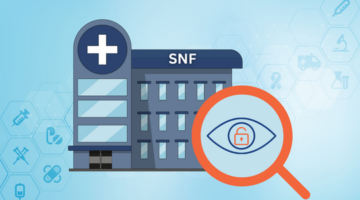
From Blind Spots to Better Outcomes: How SNF Data Transparency Strengthens LTSS
What if health plans could identify member decline before an avoidable hospitalization occurs? Real-time clinical visibility into long-stay SNF members uncovers risk earlier and drives better outcomes.
Without these elements, dashboards become a collection of disconnected metrics rather than a tool for decision-making. Teams may know what is happening, but not why it matters,or what to do next.
The reality: Decision-oriented analytics
The most effective healthcare organizations are shifting their approach. Instead of asking, “What data can we track?,” they are asking, “What decisions do we need to make?” This shift changes everything.
Decision-oriented analytics focuses on a smaller set of key performance indicators that are directly tied to specific actions. It prioritizes clarity over completeness.
For example, instead of tracking dozens of utilization metrics, a team might focus on a single indicator that signals when intervention is needed. Instead of monitoring every revenue cycle KPI, they identify the few that most directly influence cash flow.
The goal is not to reduce data for the sake of simplicity; it’s to ensure that every data point has a purpose.
Precision over volume
In practice, this means moving away from “more” and toward “better.”
- Define the decision first. Start with the question you need to answer, not the data you have available.
- Identify the signal. Determine which metric truly reflects the outcome you care about.
- Eliminate the noise. Remove metrics that don’t directly inform action.
- Align teams. Ensure that everyone understands what the data means and how to respond.
This approach doesn’t just streamline dashboards; it strengthens alignment across clinical, operational, and financial teams.
From visibility to clarity
Visibility is only valuable if it leads to clarity. And clarity is only valuable if it leads to action.Healthcare organizations that embrace this mindset are better positioned to move quickly, allocate resources effectively, and improve outcomes. The challenge isn’t a lack of data. It’s a lack of focus.
In a world where dashboards are easy to build and data is constantly expanding, the real competitive advantage is not access to information; it’s the ability to prioritize it.
Better decisions don’t come from more data. They come from the right data, at the right time, with a clear path to action.
Image: krisanapong detraphiphat, Getty Images

At Tendo, Deb Jones' focus is on harnessing the power of innovative technology to enhance healthcare delivery and outcomes. Her role as Senior Director Insights Strategy enables her to influence quality outcomes and strategic growth. The team thrives under pressure, ensuring that Tendo remains at the forefront of healthcare innovation.
Previously, as Associate Principal at Chartis, she contributed to developing robust strategies that addressed complex challenges in healthcare. Now, with a commitment to fostering a culture of excellence at Tendo, her mission is to empower our talented team with the vision and tools necessary for transformative success.
This post appears through the MedCity Influencers program. Anyone can publish their perspective on business and innovation in healthcare on MedCity News through MedCity Influencers. Click here to find out how.