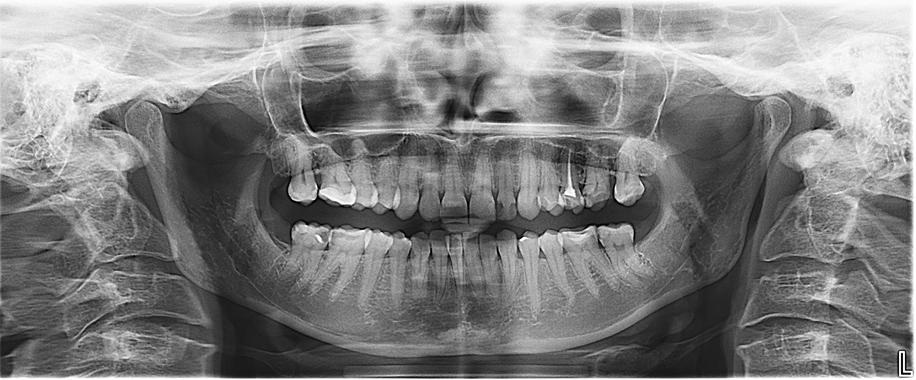
Preventive dentistry has become an increasingly important focus across the oral health industry, particularly as the recently passed National Dental Care Month spotlights the value of routine hygiene, early intervention, and long-term oral wellness. Public health messaging has helped reinforce the importance of brushing, flossing, regular cleanings, and proactive dental visits as the foundation of preventive care.
At the same time, dentistry is continuing to evolve toward more personalized and computer-based approaches to ensure precise diagnosis and treatment. Despite increased awareness around preventive care, many clinicians continue to encounter patients with recurring functional issues that are not always tied to their oral hygiene alone. These issues can include tooth wear, restorative and implant fractures, muscle discomfort, jaw tension, and repeat bite adjustments after new dentistry is installed.
The challenge of outdated tools

From Blind Spots to Better Outcomes: How SNF Data Transparency Strengthens LTSS
What if health plans could identify member decline before an avoidable hospitalization occurs? Real-time clinical visibility into long-stay SNF members uncovers risk earlier and drives better outcomes.
One challenge is that traditional bite evaluation often relies heavily on subjective methods such as articulating paper and visual interpretation of ink marks. While these tools can identify where teeth make contact, they do not in any reliable way fully capture the timing, force distribution, or duration of those contacts strike during chewing functional movements.
This can make it difficult to consistently identify the root causes of occlusal dysfunction, particularly in patients with temporomandibular disorders (TMD), which affect an estimated 5–10% of Americans.
Technology’s impact on real-life patients
As dentistry continues shifting toward precision-based care, some clinicians believe preventive dentistry must evolve beyond hygiene and disease prevention alone to include more objective evaluation of bite function and occlusal stability.


Closing the Quality-Affordability Gap in Workplace Mental Health
In an interview, Kyan Health Co-Founder and Chief Commercial Officer Konstantin Struck discussed how Kyan gives mid-market and enterprise employers access to premium workforce mental healthcare, at a price point that is affordable.
Advances in digital occlusal analysis allow clinicians to objectively measure bite timing, force distribution, and contact sequence in real time, providing a more comprehensive understanding of how the teeth function together during everyday activities such as chewing and swallowing. These tools can also help guide more precise bite adjustments by identifying occlusal contacts and force imbalances that may be difficult to detect using traditional evaluation methods alone.
Supporters argue that this level of precision can improve diagnosis, reduce guesswork during bite adjustments, preserve tooth structure, shorten chair time, and improve treatment predictability. They also believe it may offer solutions for many chronic occlusally based conditions, including temporomandibular disorders (TMD), where conventional approaches have often struggled to provide lasting relief.
These improvements can occur without splints, medications, Botox, or other symptomatic therapies. Treatment focuses on identifying and correcting the underlying bite dysfunction itself.
Looking beyond the teeth: The future of preventive dentistry
As understanding of the relationship between oral function and overall health continues to evolve, clinicians are taking a broader view of the role bite function plays in patient care.
Historically, prevention has focused on protecting teeth from decay and gum disease. However, long-term oral health is also shaped by how the teeth, muscles, and jaw function together over time. Clinicians should be encouraged to look beyond symptom management and consider whether underlying bite dysfunction may be contributing to a patient’s concerns.
The future of preventive dentistry may depend not only on identifying disease earlier, but on recognizing functional dysfunction before it contributes to chronic jaw symptoms, restorative complications, or lasting damage to the dentition.
Photo: Viktoriia Yanchuk, Getty Images

Dr. Robert B. Kerstein earned his D.M.D. in 1983 and his Prosthodontic certificate in 1985 from Tufts University School of Dental Medicine, where he later served as a clinical professor of Fixed and Removable Prosthodontics for 13 years. Beginning in 1984, he has studied every generation of T-Scan technology, from the original T-Scan I to the current T-Scan 10 Novus, and over the past four decades has become the leading authority in Computerized Occlusal Analysis. Dr. Kerstein has published extensively in leading dental journals and edited nine research volumes on T-Scan applications. A pioneer and academic advocate for digital occlusal technology, he teaches a measured, data-driven approach that improves bite-related treatment outcomes, enhances patient comfort, reduces prosthesis failure and remakes, and shortens overall treatment time.
This post appears through the MedCity Influencers program. Anyone can publish their perspective on business and innovation in healthcare on MedCity News through MedCity Influencers. Click here to find out how.