
Why an Independent NP Practice Requires an Undergraduate Business Foundation
Ultimately, while clinical training teaches nurses how to care for patients within a system, business education empowers them to design, protect, and scale the system.
Ultimately, while clinical training teaches nurses how to care for patients within a system, business education empowers them to design, protect, and scale the system.

Most younger professionals entering the workforce have little visibility into interoperability, digital health infrastructure, or healthcare data architecture as career pathways.

We have the opportunity to design systems that give people greater capacity for the work where human presence matters most: listening, understanding, reassuring, deciding, and caring.
Caring for patients with ADHD, or those who potentially have ADHD, extends far beyond diagnosis and prescribing.
If we want more nurses, we need more nursing students, which means creating the educational infrastructure needed to help them succeed.
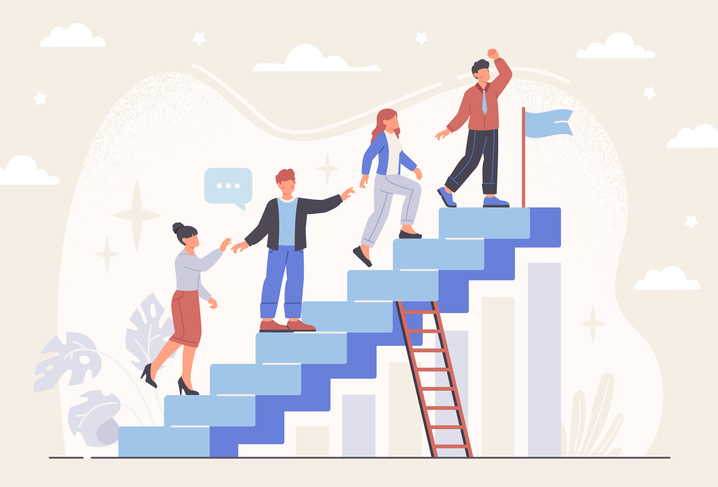
When workers feel stuck in place, with limited opportunities to advance or deepen their skills, disengagement tends to follow. In allied health roles, where burnout is already high and many touch the patient experience, it is a risk healthcare employers cannot afford to ignore.

The July 1 changes are being framed as student loan policy. But they raise a larger question about what kind of labor, and whose labor, America is willing to invest in.

Veradigm examines key clinical trends, comorbidity profiles, and treatment trends across adolescence, reproductive years, and peri-/post-menopause. Download it today!
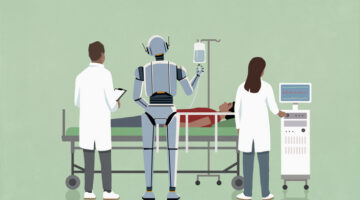
The real question is whether we're being honest with ourselves about what medical education was designed to produce, and whether our current system is still doing that job.

ECMO is specialized enough that the learning curve carries real clinical and financial consequences, and there is no shortcut to the institutional knowledge that takes years to accumulate.

The autism care system in the U.S. needs stronger accountability and transparency. But it also needs new models that can deliver higher-quality care to more families, more efficiently, and regardless of where they live.

By investing upfront in a more highly trained homecare workforce, states can avoid the massive costs associated with acute interventions and admissions to hospitals and residential facilities.
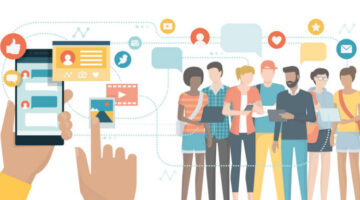
Healthcare decision-makers, especially at pharmaceutical companies, must prioritize patient input. Data collected from social media listening is a significant step in the right direction.

The truth is there are ways to understand our cancer risk more precisely than we do today, and there are tools to manage it. What’s missing is awareness, access, and a system built to help us use these tools before something goes wrong.

Here are five things providers should know about concussions.
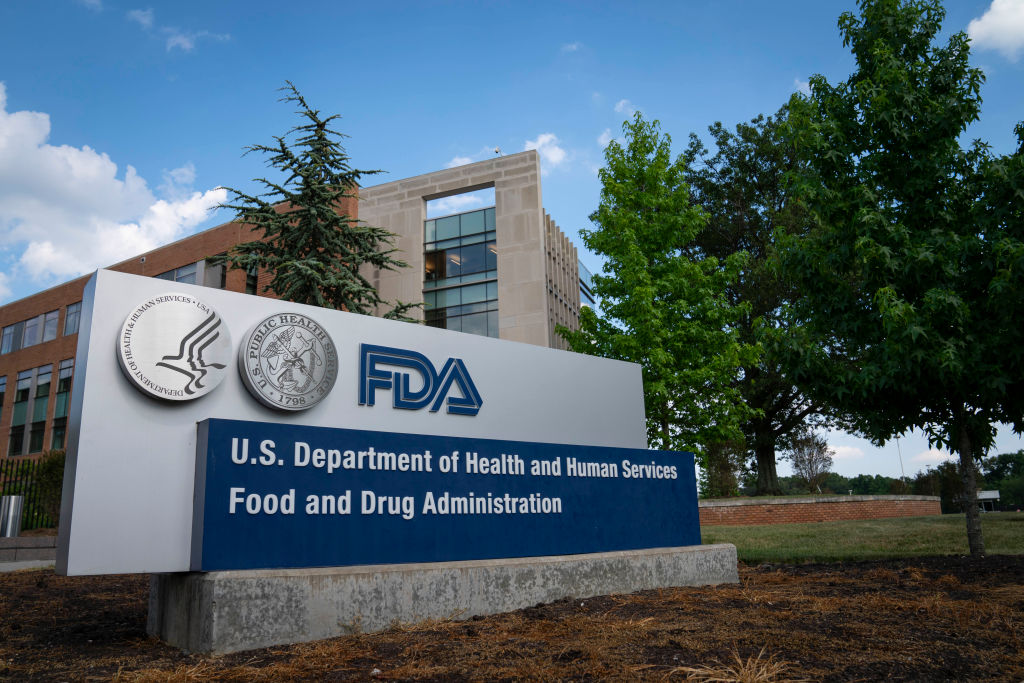
For consumers and clinicians the difference between “FDA-cleared,” “FDA-registered,” and general wellness products is not always obvious. Clear communication about intended use and supporting evidence is essential for maintaining trust.

Residents embrace AI for everything from clinical decisions to emotional support. Health systems need to meet them where they are.
The problem isn’t whether these modalities work, but how they’re being implemented into the workforce. Efficient rollout, proper training, and ongoing education are vital for these new methods to reach their full potential.