
Healthcare’s Real Inflation Problem Isn’t on the Price Tag
More and more health systems are making exactly the kind of investment the industry is urging, and not seeing the results they’re hoping for.
More and more health systems are making exactly the kind of investment the industry is urging, and not seeing the results they’re hoping for.

If enacted, the GOP’s spending bill could kick more than 10 million Americans off Medicaid. Experts are worried about the major spike in uncompensated care that hospitals would have to provide — and they’re warning that this change will result in major revenue losses for hospitals, facility closures, higher premiums for commercially insured patients, and worse public health.


Healthcare payments are no longer about transactions. It’s about controlling the revenue cycle. And increasingly, that control is not sitting with ISOs.
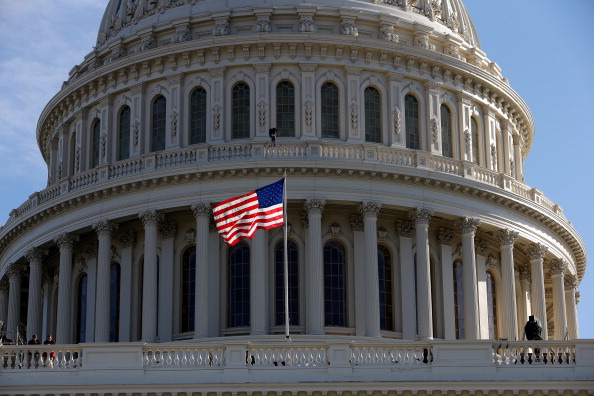
House Republicans proposed Medicaid cuts last month that would have disastrous financial consequences for hospitals, especially for those in rural areas. While the plan aims to reduce government spending, healthcare executives are pointing out that these cuts would actually exacerbate the financial instability of the overall U.S. healthcare system — as well worsen health outcomes for millions of people, many of whom are children.

Three-quarters of U.S. providers and payers say they have increased their IT spending over the past year, according to a new report from Bain & Company and KLAS Research. Both providers and payers are investing in cybersecurity technology, as well as AI tools.

There’s a common belief in the healthcare industry that partnering with Group Purchasing Organizations (GPOs) means that most or all non-clinical purchases are covered by the contract. It almost sounds too good to be true: GPOs have all the answers for all your procurement needs. Finally, a one-stop shop for all your procurement solutions! Unfortunately, […]

The model can be used to outline the steps involved in a ransomware attack and thereby enabling healthcare providers to block the attackers themselves at each step.


In an interview, Kyan Health Co-Founder and Chief Commercial Officer Konstantin Struck discussed how Kyan gives mid-market and enterprise employers access to premium workforce mental healthcare, at a price point that is affordable.

President Joe Biden has submitted his discretionary budget for 2022 to Congress. Among its healthcare provisions are funding requests for the CDC, mental health and social determinants of health programs. But there are some unusual requests as well, such as funding for an Office of Climate Change and Health Equity.

The Covid-19 pandemic has decimated hospital finances, and as a result, rural providers are forced to make key IT spending decisions with limited dollars. Here is a snapshot of how they will prioritize those dollars this year and the federal support they need to survive the ongoing public health crisis.

For providers and payers, a limited budget is the biggest hurdle to executing their data strategy, followed by disparate data sources and the quality of data available, according to a new survey that includes responses from 200 healthcare leaders.

Citing a lack of funding, Oklahoma scrapped its plans for Medicaid expansion. The state was one of the first to apply to expand Medicaid using block grants, which would give it a fixed amount of funding for the program.

Healthcare decision-makers, especially at pharmaceutical companies, must prioritize patient input. Data collected from social media listening is a significant step in the right direction.

CHIP, which covers 9 million children from low-income families that earn too much to qualify for Medicaid, is mostly federally funded. But states operate the program within federal guidelines.

The White House’s proposal, which comes after Congress passed a two-year spending deal last week, sets the tone for the administration’s focus on prescription drugs.

A recent survey from AVIA and the American Hospital Association zeroed in on how 317 hospital and health system leaders view digital innovation.

For scientists and non-scientists alike, here's a visualization of some of the contentious numbers outlined in President Trump's 2018 budget blueprint.

Here's how the life science research organizations are taking the news that Trump's budget proposal will chop off $5.8 billion in funding the federal government provides to the National Institutes of Health.