Imaging Data Liquidity: The Foundation of Multimodal Medical Intelligence
Imaging has become a core input into how health systems understand disease, evaluate outcomes, plan capacity, and increasingly, how they learn.
Imaging has become a core input into how health systems understand disease, evaluate outcomes, plan capacity, and increasingly, how they learn.

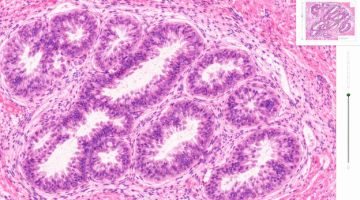
The shift towards digital pathology has marked a significant advancement in breast cancer diagnosis. High-resolution digital imaging of slides provides pathologists with an unprecedentedly clear and expansive view of tissue samples for their analysis.

Artera President Tom McIntyre talks about the practical application of AI in healthcare.

At RSNA 2023, healthcare AI startup Paige announced a partnership with Nuance to launch what the companies say is “the largest digital consultation network in pathology." Paige’s digital pathology tools will be embedded into PowerShare, Nuance's nationwide image sharing network with the goal of connecting more pathology labs to expert second opinions.

“Precision medicine” is a term we have heard a lot over the last two decades, promising to improve health outcomes by pairing the patient with the right treatment. In cancer, we do this primarily with biomarkers. Our understanding of biomarkers – signatures of key features of a tumor – and their role in disease has […]

The digital pathology market is poised for rapid growth in the U.S., with several vendors vying for dominance. The imaging management systems made by Leica Biosystems and Philips seem to be leading the pack in this competitive market, according to a new report.

The Dublin-based pathology software and services provider will use the funds to support global growth and launch an on-demand, online pathology service in the U.S.

Arbiter’s Anjali Jameson on hospital and payer alignment.
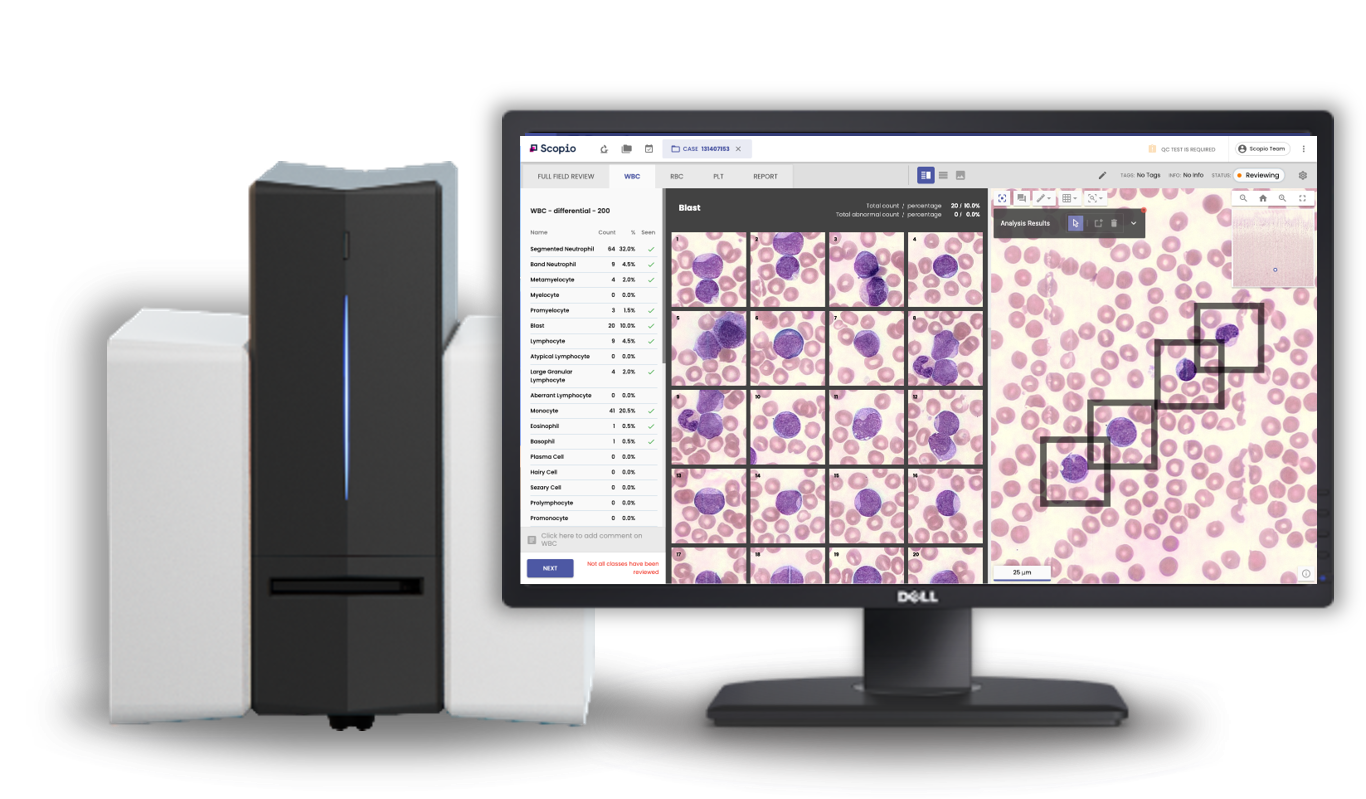
Scopio Labs secured $50M in series C funding, which the company will use to scale manufacturing of its FDA-cleared imaging and AI analysis platform to support the shift to fully telehematology.
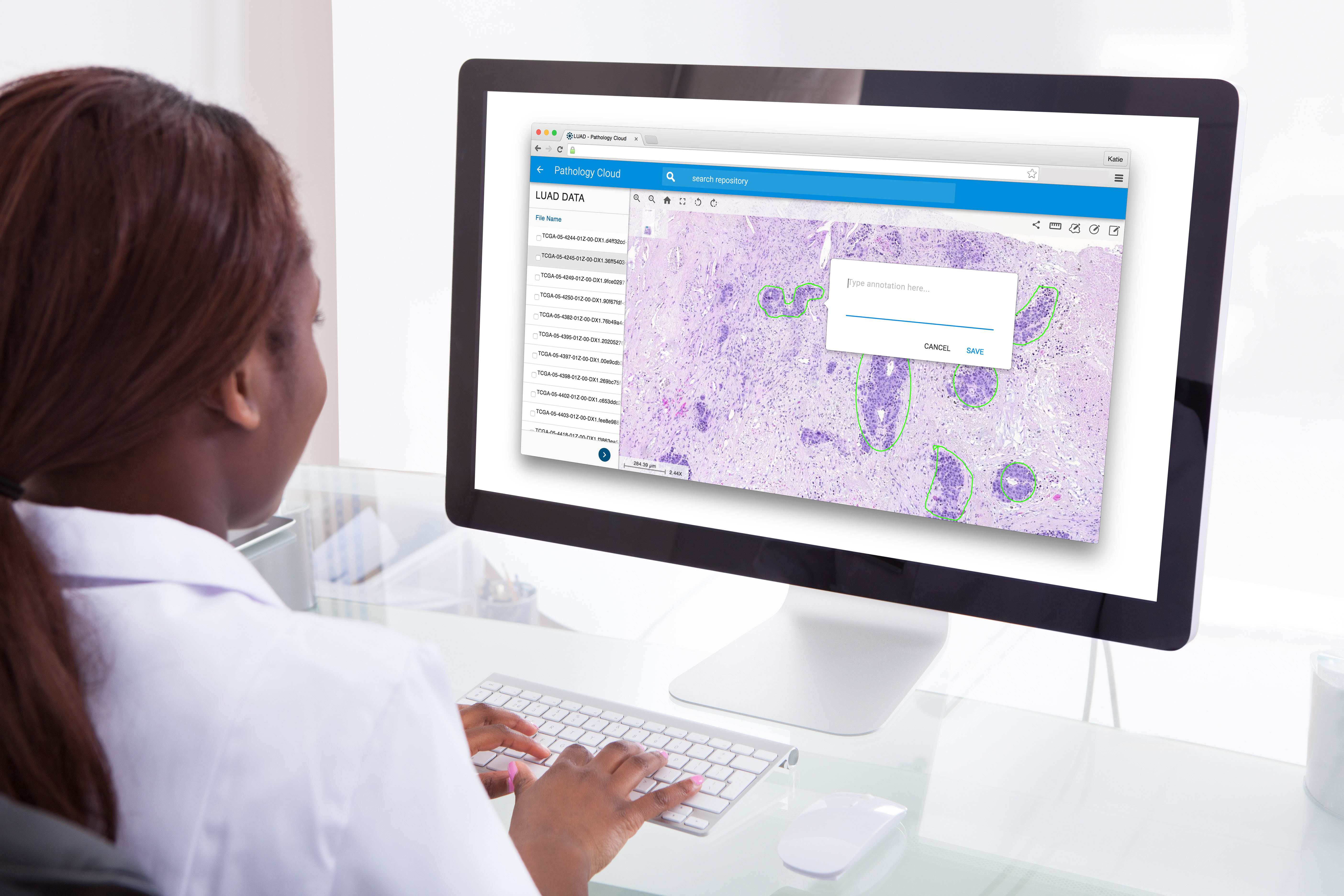
The startup shared results of a prospective study showing its deep learning software detected melanoma with 93% sensitivity and 91% specificity.

Proscia and other digital-pathology firms promise to make pathologists more efficient as they analyze tissue. The need is driven by a steadily declining U.S. population of pathologists.

The company, whose technology won FDA Breakthrough Device designation earlier this year and which signed a deal with Philips earlier this month, plans to use the money to support FDA clearance and other efforts.

MedCity News was at the Vive conference and spoke with executives who shared their insights for the healthcare industry.

The company said that the investment follows and extends the $60 million Series B investment that it announced in April. It plans to use the funding to bolster its clinical development capabilities.

The Columbus, Ohio-based company said it will use the funding to advance its AI-driven platform and scale its sales and marketing efforts to support continued growth.

The startup, Deep Lens, is supported by seed financing from Sierra Ventures, Rev1 Ventures and Tamarind-Hill Fund.

Flybridge Capital Partners led the funding round, and Fusion Fund, Emerald Development Managers, Razor's Edge Ventures and Robin Hood Ventures also participated.
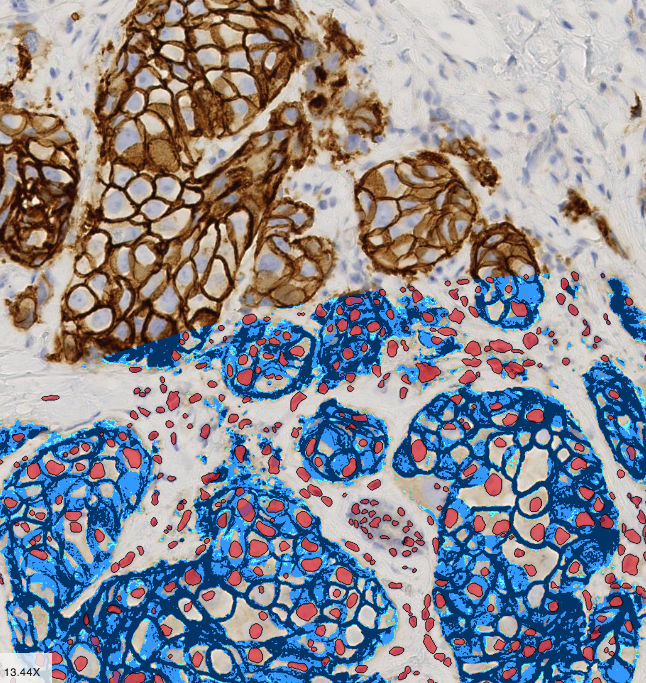
Proscia has inked a deal with a dermatopathology laboratory in a move designed to support its launch of a comprehensive AI-powered digital pathology softwaredermatopathology-specific digital pathology product in the fourth quarter of 2018.