
The AI Tension in Healthcare: Patent Strategy, FDA Reality, and HIPAA Constraints
These three legal regimes are pulling in different directions, and the developers that navigate them well will be the ones that plan for all three from the start.
These three legal regimes are pulling in different directions, and the developers that navigate them well will be the ones that plan for all three from the start.

Merck’s Lipfendra is the first FDA-approved pill in the class of cholesterol-lowering drugs called PCSK9 inhibitors. While peptides are typically injected, Lipfendra is a macrocyclic peptide designed for formulation as an oral drug.


Discover the top AI-powered EAP providers for 2026. Compare platforms like Kyan Health and Spring Health on triage speed, global reach, and clinical quality to transform workforce wellbeing.
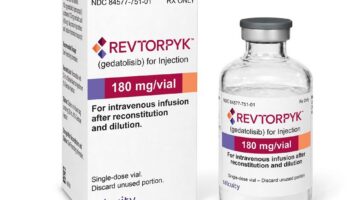
Celcuity drug Revtorpyk is now approved for advanced cases of the most common type of breast cancer that do not harbor a certain mutation. The intravenously infused medicine is first in a new drug class that addresses a pathway associated with many cancers.

The FDA now treats continuous, real-time data sharing as a regulatory direction of travel rather than a theoretical future. The neurology field should pay close attention.

GSK drug Jemperli met the main goal of a pivotal Phase 2 test in patients with a rare type of rectal cancer, paving the way for regulatory submissions. This antibody drug has already received a voucher to speed up its review under a new FDA pilot program.

Non-surgical implantable BCI is increasingly capable of matching surgical performance while transforming the risk-benefit equation, and it is now the most credible path along all three dimensions simultaneously.

Healthcare decision-makers, especially at pharmaceutical companies, must prioritize patient input. Data collected from social media listening is a significant step in the right direction.

FDA approval of Vera Therapeutics’ Trutakna makes it first in a new class of medicines designed to block two targets to treat immunoglobulin A nephropathy, an autoimmune disease that can progress to end-stage renal failure. Competition looms from Vertex Pharmaceuticals, on track to receive a November regulatory decision for a drug designed to block the same two proteins.

Many startups and established companies focused on drug testing on human data in preclinical studies have been boosted by FDA's move away from reliance on animal testing towards organoid, organ-on-a-chip, and other in silico technologies. A Connecticut startup believes whole-organ testing should be an essential part of this mix.

FDA approval of Orca Bio’s Tregzi makes it the first cell therapy based on regulatory T cells, or Tregs. Clinical trial results showed reduced risk of graft-versus-host disease, a common complication of the allogeneic stem cell transplants that are a standard treatment for certain blood cancers.

Viridian Therapeutics’ Lumvoa is approved for treating both the chronic and active phases of thyroid eye disease. This drug will offer patients an alternative to Tepezza, an Amgen drug that had been the only approved therapy for this inflammatory eye disorder.


What if health plans could identify member decline before an avoidable hospitalization occurs? Real-time clinical visibility into long-stay SNF members uncovers risk earlier and drives better outcomes.
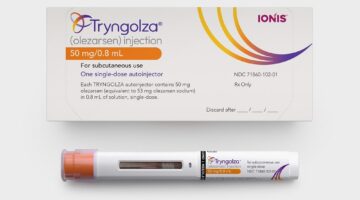
Ionis Pharmaceuticals’ Tryngolza is now the first approved therapy for treating severe hypertriglyceridemia, a prevalent chronic metabolic disorder that can lead to acute pancreatitis. This drug is a key piece of Ionis’s pivot away from partnering its assets, and instead developing and commercializing them on its own.

For years the healthcare system has relied on the slow machinery of research — and that system is failing the people it was built for. It was designed for a world that operated with an abundance of caution and lacked the modern tools of today. That world no longer exists.
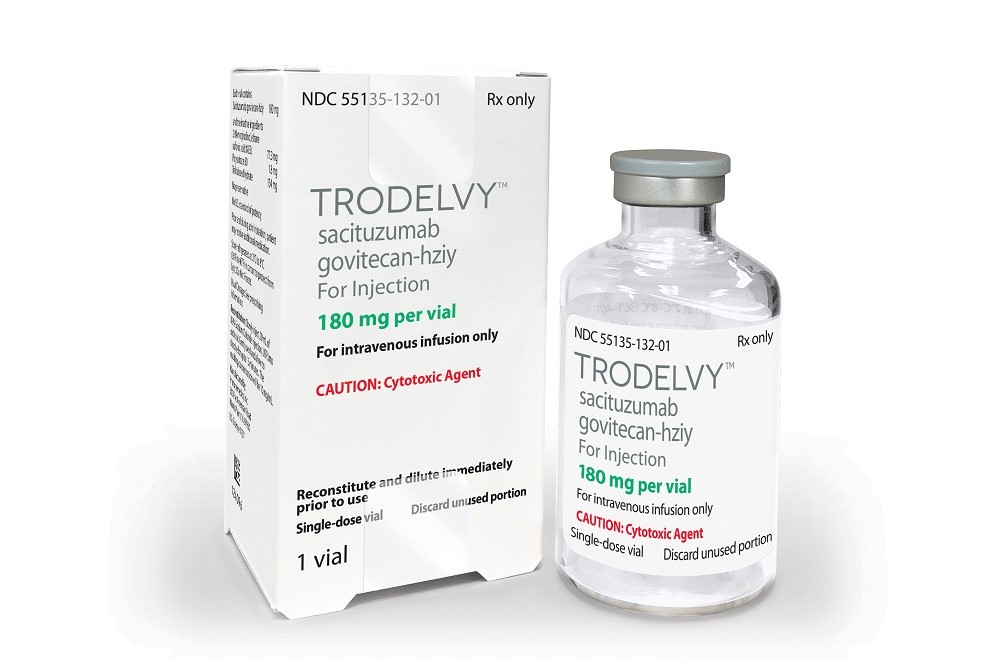
Gilead Sciences antibody drug conjugate Trodelvy is now approved as a first-line treatment for triple-negative breast cancer. This expanded approval for Trodelvy comes with a slightly broader label that gives it an edge over the AstraZeneca and Daiichi Sankyo ADC Datroway.

UniQure is preparing to seek accelerated FDA approval for its Huntington’s disease gene therapy, a move that follows the FDA’s reversal of its prior position calling for another clinical trial. This gene therapy is the latest in a growing list of rare disease treatments to receive reconsideration from an FDA that appears to be swinging back to regulatory flexibility.

New FDA guidance on the use of Bayesian statistics signals a broader shift in accommodating more flexible clinical trial designs and the complexities of diseases such as certain cancers and rare disorders, which may lead to more efficient trials, lower development costs, and faster innovation.