
UCB Joins the Chase for Immune System Reset With $2B Acquisition
Candid Therapeutics brings to UCB two clinical-stage T cell engagers in development for autoimmune disorders. To accept UCB’s offer, Candid terminated its reverse merger with Rallybio.
Candid Therapeutics brings to UCB two clinical-stage T cell engagers in development for autoimmune disorders. To accept UCB’s offer, Candid terminated its reverse merger with Rallybio.

The FDA has approved UCB’s Kygevvi for treating children and adults with thymidine kinase 2 deficiency, an inherited mitochondrial disorder. It’s the drugmaker’s first ultra-rare disease product.


By reducing administrative burden and redesigning workflows around human needs, it creates space for what matters most: connection between clinicians and patients.

FDA approval of UCB’s Bimzelx gives the Belgian drugmaker a contender in the crowded plaque psoriasis therapies market. In the rare disease generalized myasthenia gravis, the agency approved Zilbrysq, a UCB drug with advantages over two blockbuster AstraZeneca drugs addressing the same target.
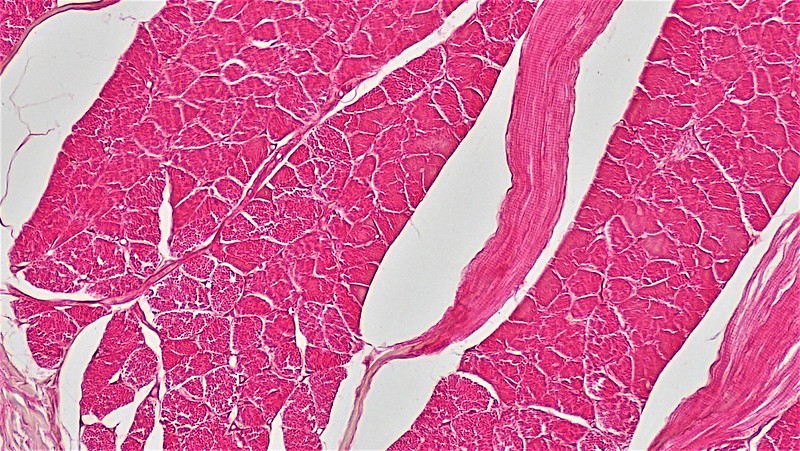
The FDA approved UCB’s Rystiggo for treating generalized myasthenia gravis. Drugs are already available for the rare neuromuscular disorder, but Rystiggo’s approval includes treatment of a subset of patients not addressed by other products.
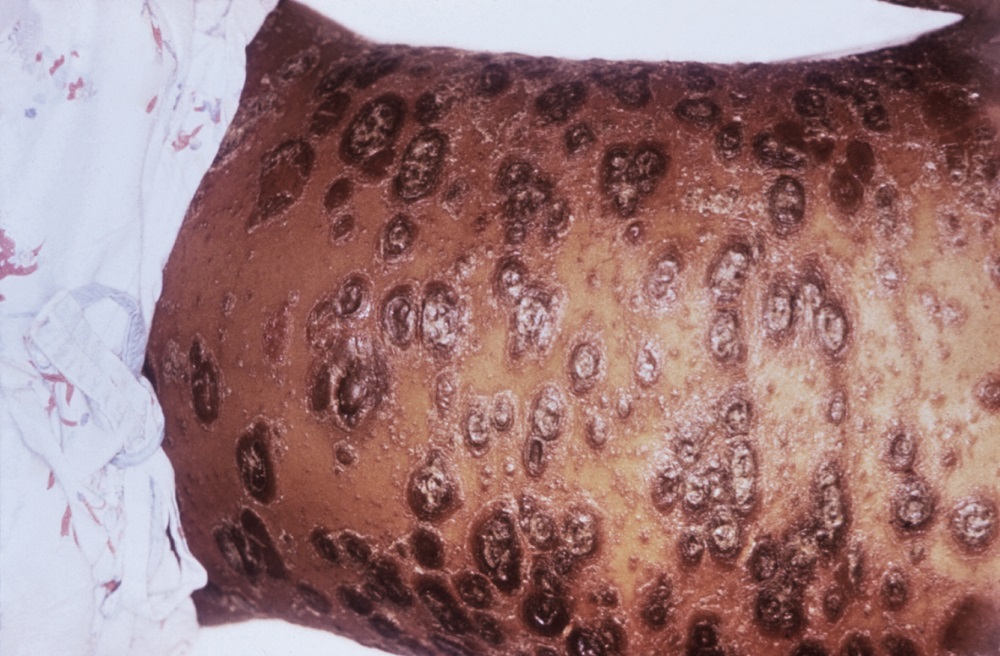
The FDA cited manufacturing issues in turning down UCB’s application seeking approval for bimekizumab, an antibody drug developed to treat moderate-to-severe plaque psoriasis. Bimekizumab is already approved and available in other markets around world, but the FDA rejection delays UCB’s antibody drug from competing in the U.S. for now.

AbbVie has acquired Syndesi Therapeutics, an early clinical neuroscience startup developing drugs that have potential applications in a range of cognitive disorders. Syndesi is based on research from Belgian pharmaceutical company UCB.


Discover the top AI-powered EAP providers for 2026. Compare platforms like Kyan Health and Spring Health on triage speed, global reach, and clinical quality to transform workforce wellbeing.

Epilepsy is a small part of UCB’s neurology pipeline, but its proposed Zogenix acquisition would broaden the Belgium-based drugmaker's ability to address that market. Zogenix’s Fintepla is approved in the U.S. and Europe for a rare type of epilepsy called Dravet syndrome, and is in development for other rare epilepsies.

Novartis is paying UCB $150 million up front to share in the development of two clinical-stage Parkinson’s disease drugs that offer new approaches to treating the disease. Depending on the progress of those drugs, UCB could earn up to $1.5 billion in milestone payments.

The Belgian drugmaker will use Accenture's INTIENT Pharmacovigilance to monitor the safety of its drugs, including those that are on the market and in clinical trials. Germany's Bayer inked a similar deal with Genpact last year.

Results of the BE VIVID study showed that UCB's bimekizumab showed a statistically significant improvement in skin clearance compared with J&J's Stelara and placebo.



The Brussels-based drugmaker said the acquisition of Ra would boost its potential for leadership in the autoimmune disease myasthenia gravis, as both companies have drugs in Phase III development for it.

The company plans to the use the money to extend its reach into therapeutic area-related intelligence and outcomes-based contracting for payers.

In less than a decade, the chief patient officer - and similar roles with different titles - has become a key part of the healthcare industry executive team.

One of the dominant themes at the Eye for Pharma conference this week has been how pharmaceutical companies can use social media channels beyond just conveying a positive message about their brands to their customers. But if traditional advertising doesn’t resonate enough and FDA regulatory concerns pour cold water on more innovative consumer interactions, how […]
Current medical news from today, including: UCB reaches settlement over off-label marketing of its epilepsy drug Keppra; the Food and Drug Administration warns of higher prostate cancer risks from baldness and prostate drugs; flu shots reach an all time high; and UCLA partners with Roche for stem cell and cancer research.