Oura Files for IPO As Healthcare Ambitions Grow
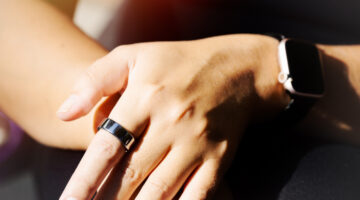
Oura has filed for an IPO as it looks to build on its evolution from a sleep-focused wearable startup into a broader healthcare player.
Verily and Samsung are partnering to integrate data from Galaxy smartwatches into Verily’s Pre platform. The goal is to create an end-to-end system that pharma researchers can use to deploy wearable devices in studies, analyze patient data remotely and then interpret the results.
Oura has evolved from a sleep-focused wellness startup into a company getting deeper and deeper into chronic disease management and healthcare integration. Ricky Bloomfield, the company’s chief medical officer, said Oura wants to integrate more of its data into healthcare workflows — in ways that are clinically meaningful, not burdensome, for physicians, he emphasized.
Many new tech solutions, such as wearables and algorithms, have emerged in recent years to address the country’s heart disease problem. While it’s easy to get excited about technology’s potential to improve cardiac care, there are a few things that healthcare leaders must keep in mind, according to Dr. Sumeet Chugh, director of the Heart Institute and director of AI in medicine at Cedars-Sinai.
A study by the Scripps Research Institute used wearables to track the long-term effects after Covid-19 infection. On average, it took months for people’s resting heart rates to return to baseline.
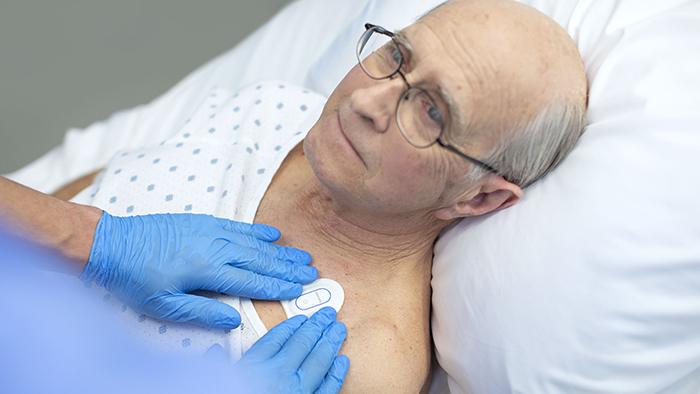
Designed long before the Covid-19 pandemic, Philips received FDA clearance for a wearable sensor that can track respiratory rate. The disposable patch is used to monitor patients after they are moved from the ICU to another care setting.
Enterprise EHR boosts scalability, interoperability, and governance for large healthcare systems.
Scripps Research launched a new study to see if data collective from wearable devices could be used to track flu-like illnesses, including Covid-19. In January, Scripps published a retrospective study using a similar methodology showing that sleep and resting heart rate data from Fitbits were correlated with the number of patients reporting influenza-like illness.
On May 31, Microsoft will pull the plug on its Health Dashboard site and remove its Band applications from the Microsoft Store, Google Play and Apple App store.
The company, whose technology pairs with the Apple Watch and detects hand gestures, has a new feature that includes a reminder for mealtime insulin administration.
Study participants are using VivaLNK's Vital Scout wearable patches as researchers examine whether there are associations between stress and depression in teenagers.
Veradigm examines key clinical trends, comorbidity profiles, and treatment trends across adolescence, reproductive years, and peri-/post-menopause. Download it today!
During an August 1 earnings call, Fitbit co-founder and CEO James Park highlighted additional ways the company plans to make money, such as through the selling of services like diagnostics and coaching.
Medibio's technology relies on biometrics (like a person's heart rate and sleep patterns) to gain insight into factors influencing an individual's mental health.
Through its technology for the Apple Watch, Klue can track how much and how quickly a consumer is eating and drinking, as well as offer up occasional reminders to stay hydrated or eat more mindfully.
The startup offers an app built for the Apple Watch. A physician wearing the device can simply speak during the patient encounter, and the Notable app records data, which is entered into the EHR.
Among consumers, wearables are growing in popularity. But what can clinicians actually gain from the data the devices collect? Panelists at the Connected Health Conference in Boston weighed in.