6. Virtual Care
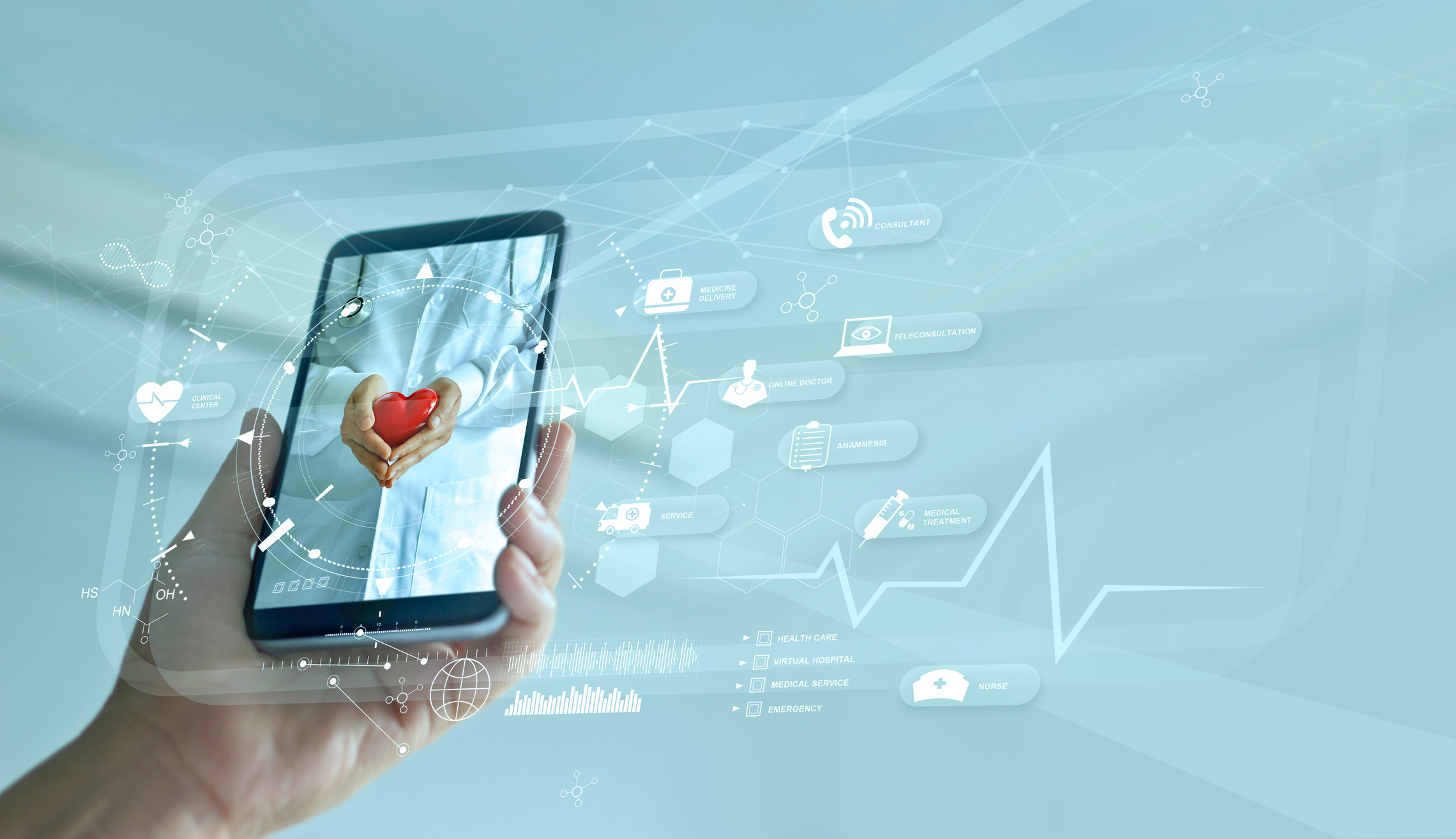
If anyone doubted whether digital health technologies could be leveraged to deliver care, those concerns were abated once Covid-19 hit. Adoption rates soared with many patients logging onto virtual visits for the first time in the last nine months, as rising cases forced practices to limit in-person visits. By April, telemedicine visits had skyrocketed, accounting for 69% of total visits, according to data from Epic. But in the summer months, when restrictions loosened, patients once again opted for in-person visits. In July, telemedicine visits accounted for just 21% of the total — though that’s still a significant increase from pre-pandemic levels. Now, the question looms: How will insurers cover virtual visits next year? Congress is already in discussions to allow the Centers for Medicare and Medicaid Services to expand Medicare’s coverage of telehealth services, which it has done temporarily during the pandemic. The consensus appears to be that the telemedicine genie is out of the bottle and won’t be coaxed back in.
7. Covidiots

The maskless throng in America and some governors have argued that their hesitation to wear or mandate a simple protective garb comes from them valuing personal liberty. So sacred is this that the government should not dare encroach upon it. However, the Declaration of Independence very deliberately places Life, before Liberty, both of which are essential for the Pursuit of Happiness. In denying science and refusing to protect their life and others, the Covidiots —hosting crowded parties in defiance of mask mandates, attending anti-mask rallies, coughing deliberately on people — are actually mistaking license for liberty.
8. Frontline Healthcare Workers
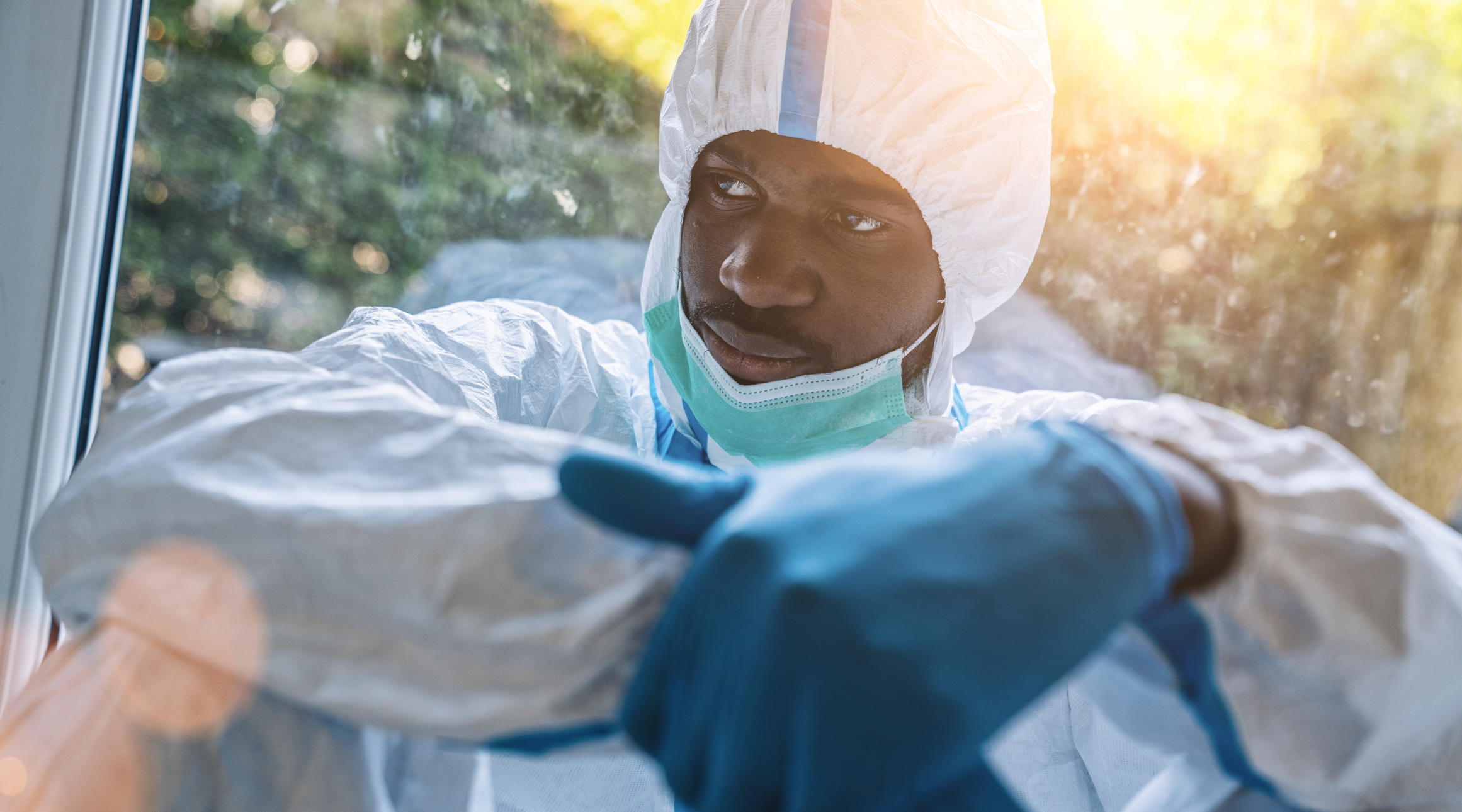
Frontline healthcare workers became the new American heroes this year. From public cheering in major cities to fundraising campaigns, the country attempted to rally behind those fighting the disease under increasingly dire circumstances, often without the resources they needed. Though workers proved resilient, coming up with creative workarounds when resources like personal protective equipment ran low in their facilities, sadly they will not emerge from this pandemic unscathed. More than 1,000 frontline healthcare workers have likely died of Covid-19, and a mental health crisis among healthcare workers appears to be imminent, with growing reports of burnout, stress and, in some cases, suicide.
9. Health Inequity

The pandemic has shone a harsh spotlight on the longstanding inequities in American society in terms of which patients become sickest. Black people are dying at twice the rate of white people from Covid-19, according to data from the COVID Tracking Project. A multitude of factors have created these disparities, including underinvestment in historically redlined neighborhoods, essential workers facing greater exposure to the virus, and differences in the care Black patients receive. This also means that social determinants of health programs will be given serious thought for the foreseeable future. Recently, Cleveland Clinic announced it was collaborating with area businesses to provide high-speed internet at subsidized prices to residents of the Fairfax neighborhood in Cleveland with the aim of reducing health disparities and mitigating the digital divide.
10. Dr. Katalin Karikó
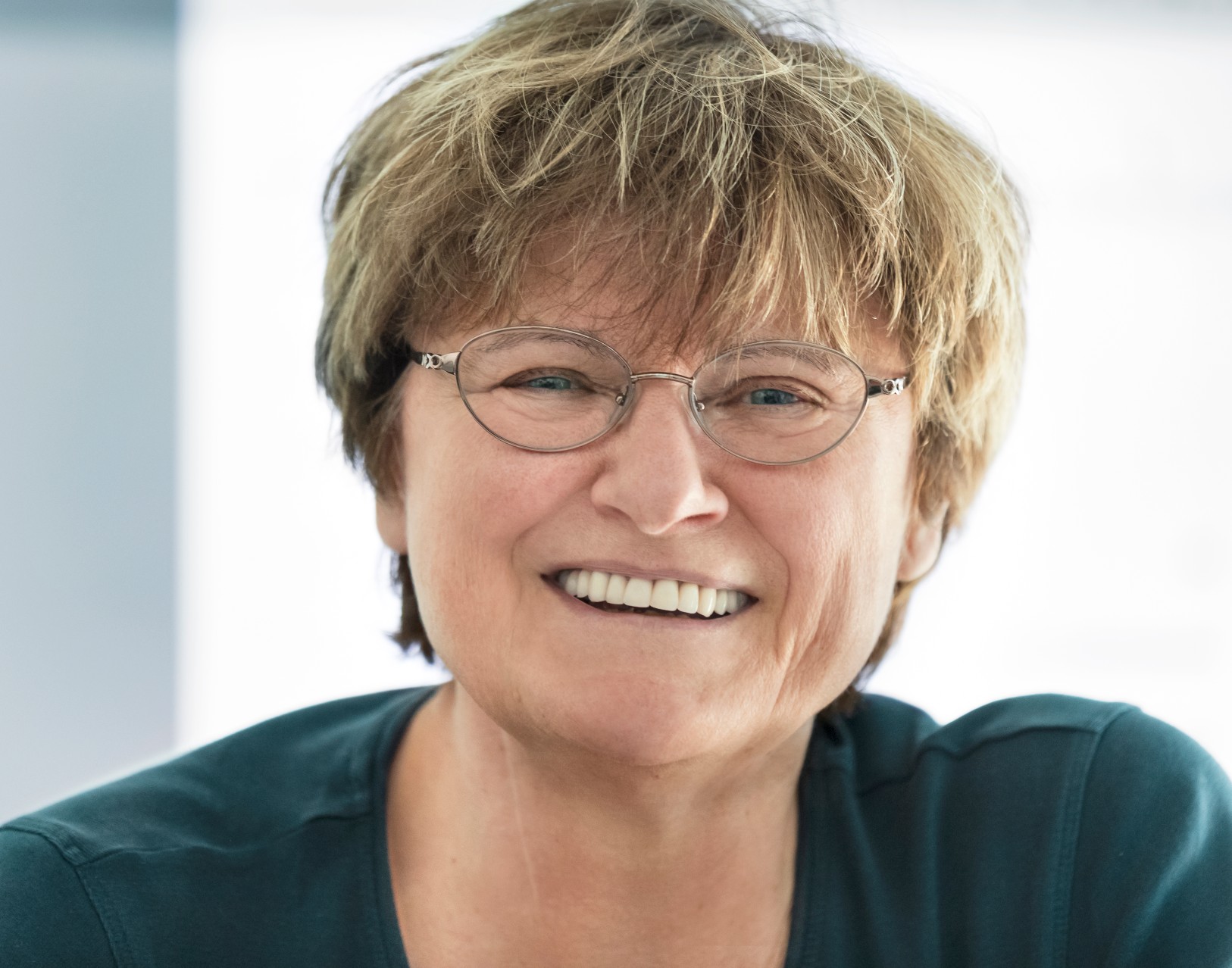
Photo: BioNTech SE
For 40 years, Dr. Katalin Karikó had slogged on in her research of mRNA — messenger RNA — suffering various insults and ignominies along the way, including being demoted and denied corporate and government grants. In 2014, she joined BioNTech to lead their mRNA-based protein replacement program, and in 2020, in a classic case of better-late-than-never, that dogged initiative paid off as Pfizer and BioNTech’s vaccine became the first Covid-19 vaccine to receive emergency use authorization for FDA, a historic milestone against a deadly pathogen. Back in 2005, Karikó along with then colleague Drew Weismann, an immunologist at the University of Pennsylvania, found a way to prevent the body’s inflammatory response to a synthetic mRNA. That culminated in the vaccines being developed by BioNTech/Pfizer and Moderna to tackle Covid-19. What’s important to note about these vaccines is that they are unlike regular vaccines that contain remnants or portions of dead/inactive virus. Instead, messenger or mRNA vaccines encode for the antigen (i.e. part of the pathogen) and once inside cells becomes translated to that protein. The immune system recognizes the antigen —in this case the Sars-CoV2 — and can overwhelm it. These vaccines are called messenger RNA because they carry instructions to parts of cells that produce proteins.
In moments of self-doubt, Dr. Kariko said that she thought “maybe I’m not good enough, not smart enough.” Let’s just say humanity is thankful that those moments were fleeting and didn’t temper her drive that she was on to something big.