21. Whistleblowers
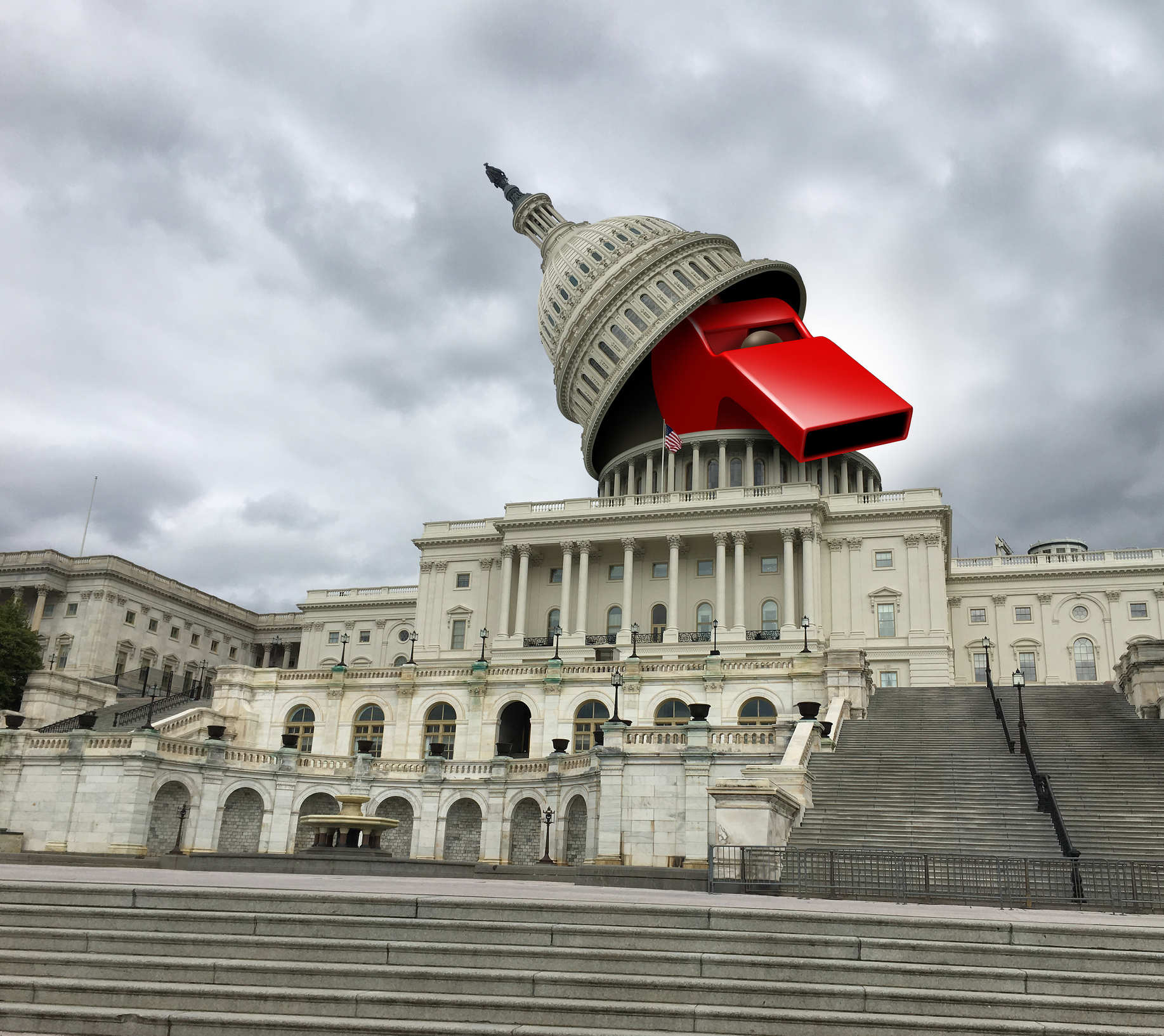
The importance of whistleblowers in a functioning democracy was again brought to the fore during the Covid-19 pandemic. Consider Rick Bright, who was removed in April from his position as director of the Biomedical Advanced Research and Development Authority after serving in it since 2016. He filed an 89-page whistleblower complaint alleging that his demotion followed three years of conflict over contracts worth millions of dollars that he said were awarded on the basis of political connections and “cronyism” rather than scientific merit. Between Feb. 1 and May 31, there was a 30 percent increase in the number of whistleblower complaints filed with the Occupational Safety and Health Administration.
22. World Health Organization

Reeling from a rapidly spreading novel coronavirus that they did not know how to curb, countries across the globe looked to the World Health Organization for guidance and leadership. Though WHO’s leaders called for quick and decisive public health actions and repeatedly urged countries not to act in silos, the organization has had several missteps and drawn sharp criticism. Some have said that the WHO put too much trust in the Chinese government, which tried to hide the outbreak at first, and others have said that the organization took too long to declare the outbreak a global health emergency. The organization also came under fire for confusing and contradictory guidance, such as when a top official said that disease transmission by infected but asymptomatic people was “very rare,” and later walked back the comment. Further, the organization was slow to confirm that the coronavirus is, in fact, airborne.
23. Alex Azar v. Stephen Hahn

L: Alex Azar, HHS Secretary, R: Stephen Hahn, FDA Commissioner. Photos: Getty Images
What’s a pandemic without a fight between two prominent Trump appointed (and Senate-approved) health officials? These two – Stephen Hahn, the FDA Commissioner and Alex Azar, Health and Human Services Secretary — clashed over vaccine standards with Azar arguing the FDA standards for approving a vaccine was too onerous. Not surprisingly, he was reportedly plotting to oust Hahn. Later, it appeared as though Hahn was willing to be fired for taking a hard stance on science to garner the trust of the wider public and other prominent physicians that the FDA vaccine approvals process would not be politicized to benefit the reelection of President Trump. As of this writing, both continue on in their respective positions but their tenure will not extend beyond Inauguration Day when Joe Biden is sworn in as the 46th U.S. President.
24. Remdesivir
As the world quickly searched for a cure to the disease caused by the deadly novel coronavirus, Gilead Sciences’ antiviral drug emerged as a potential treatment, though there is conflicting data about its efficacy. In October, the Food and Drug Administration approved the drug for the treatment of Covid-19, making it the first treatment for the disease. President Donald Trump was also treated with the drug after contracting Covid-19. But one month after the approval, the World Health Organization issued a recommendation against the use of remdesivir in hospitalized patients, stating “there is currently no evidence that remdesivir improves survival and other outcomes in these patients.”
25. Hospital Bankruptcies

The Covid-19 pandemic has left some already vulnerable U.S. hospitals teetering. During the crisis, hospitals were not only treating a rising tide of coronavirus patients, often with limited resources, but also were forced to give up their most significant source of income: elective surgeries. A majority of states suspended elective and non-urgent surgeries for weeks, if not months, in the spring and summer. In July, American Hospital Association estimated that the total losses for the nation’s hospitals and health systems will reach at least $323.1 billion this year. A Becker’s Hospital Review account put the total number of hospital closures and Chapter 11 bankruptcies at 47.