16. Human Ingenuity

Necessity is the mother of invention and a global pandemic fuels innovation like no other. In Africa, the World Health Organization found more than 120 health tech innovations that were piloted or adopted during Covid-19. In the U.S., Journeyman Distillery, in Three Oaks, Michigan began making sanitizer instead of whiskey. PhoneParLoan, an Indian startup used to give out loans to blue-collar workers whom the banks found too risky to work with. When the pandemic hit, the company realized that its customer base couldn’t afford to pay for any potential hospitalizations. PhoneParLoan pivoted to teaming up with health insurance to sell insurance to this uninsured population. The latter paid for the private coverage with monthly installments.
17. Digital Health IPOs
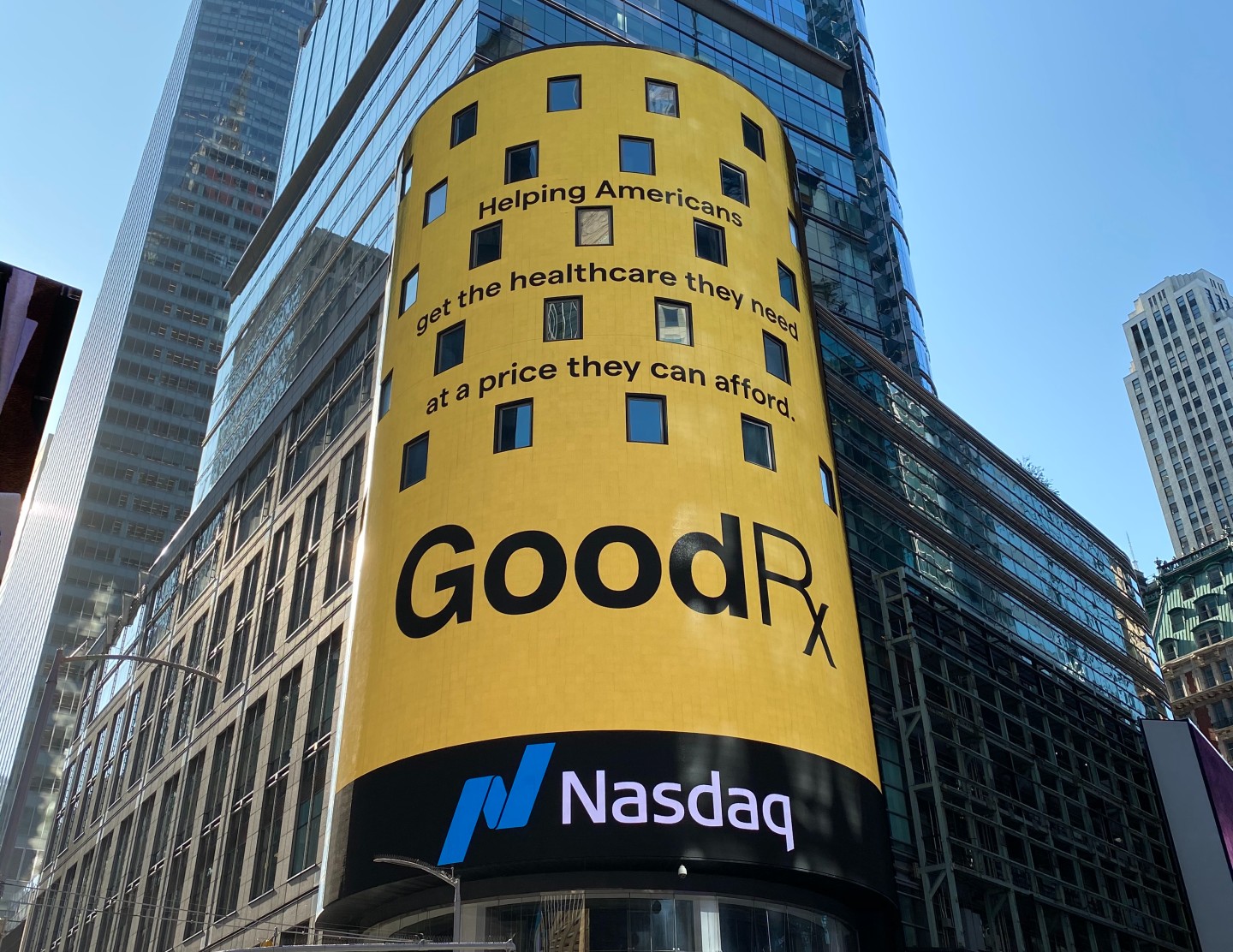
Photo: GoodRx
In spite of the broader Covid-related economic fallout, many digital health companies benefited from the push to virtual care. This resulted in record numbers of digital health firms going public. Telehealth company Amwell went public to the tune of $220 million, bringing in Google as a big-name backer. GoodRx, which offers users pharmacy coupons, raised a whopping $1.1 billion in its IPO. Will the good times continue to roll? Experts predicted the dealmaking will continue into next year.
18. Dr. Deborah Birx (and those distinctive scarves)
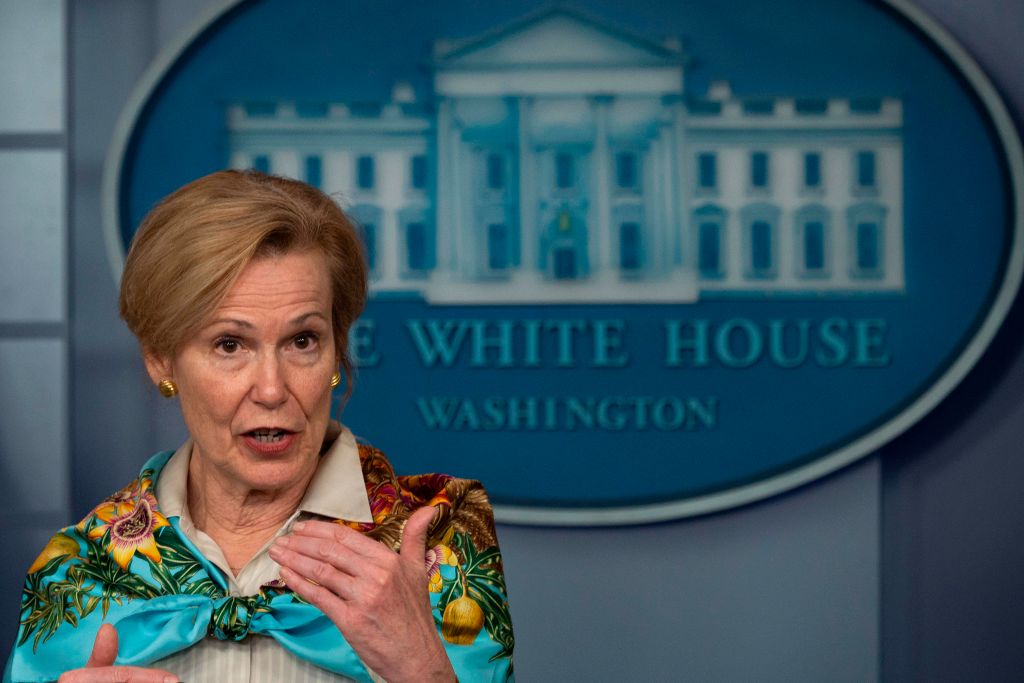
Coronavirus Response Coordinator Dr. Deborah Birx speaks during the White House daily coronavirus briefing on April 4. (Photo: Jim Watson, Getty Images)
There was a period of time when Dr. Deborah Birx and Dr. Fauci were daily fixtures on TV as prominent members of the White House Coronavirus Taskforce. Dr. Birx cut an elegant figure as she patiently and as simply as possible answered public health questions from the assembled press corps. Her collection of scarves were as legendary as her stoic response when President Trump proposed how interesting it would be to test the use of ultraviolet light as well as disinfectant inside the body to literally cleanse the body of the novel coronavirus. Dr. Fauci could learn a thing or two about maintaining a poker face from Dr. Birx.
19. U.S. Testing Debacle versus South Korean success
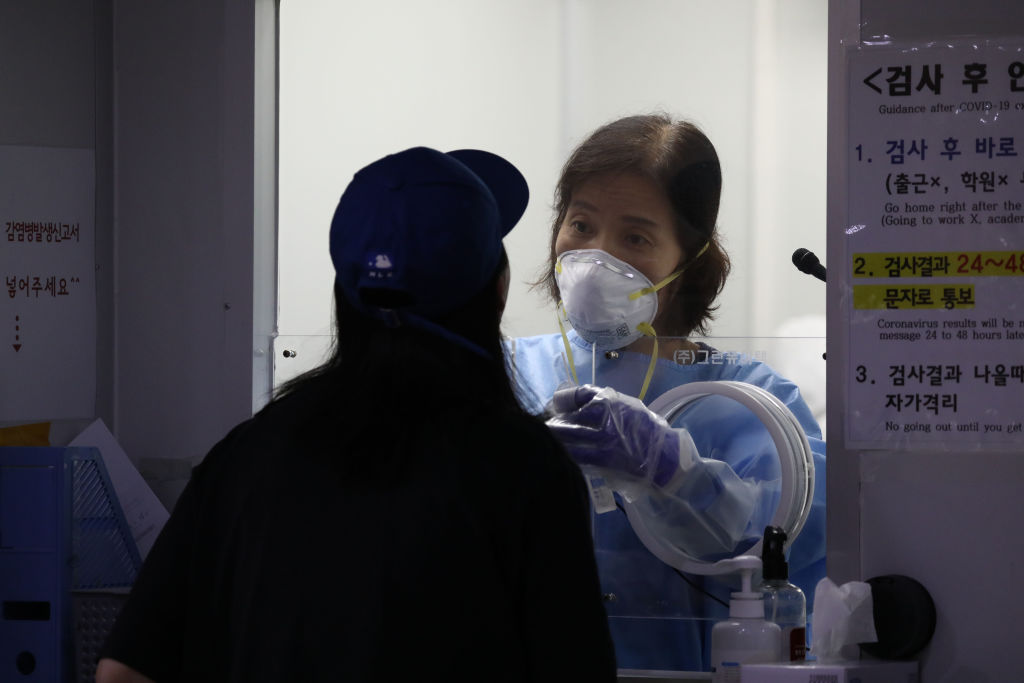
A medical worker takes samples from a woman during the COVID-19 testing at a test facility on August 26, in Seoul, South Korea. (Photo: Chung Sung-Jun, Getty Images)
Among the failures plaguing the United States’ response to the Covid-19, the lack of widespread testing is high on the list. The country’s testing efforts have been beset with problems, from faulty test kits initially released by the CDC to hundreds of testing sites being ordered shut for not meeting federal standards. A scathing editorial from The New England Journal of Medicine points out that when looking at the number of tests performed per infected person, the U.S. is “far down the international list,” below countries such as Kazakhstan, Zimbabwe and Ethiopia. The U.S. testing debacle stands in sharp contrast to countries like South Korea, which quickly ramped up testing and made it easily accessible. At the end of April, while the U.S. had conducted 6 million tests, testing one in every 53 people in the country, South Korea had conducted 619,881 tests, testing one in every 83 people. Though cases in South Korea are on the rise once again, it’s early rapid response successfully stemmed the outbreak of the disease without the country going into lockdown or closing down borders.
20. Mental Health Crisis

A silent crisis of mental health has accelerated this year. In a survey conducted by the Centers for Disease Control and Prevention, 41% of respondents reported an adverse mental health or behavioral health condition related to the pandemic. Youth, caregivers and front-line workers have been hit particularly hard. Concerns over health, financial security and isolation have put a strain on many people. On a brighter note, the pandemic has drawn attention to the need for more mental health services, with more companies looking to expand their employee benefits and investors pouring funds into mental health startups.