A drug included in one of the pharmaceutical industry’s largest acquisitions this year is starting to paying dividends for GSK, winning a speedy regulatory nod that continues the pharmaceutical company’s growth strategy in oncology.
The approval announcement Wednesday was earlier than expected. The drug, known in development as zidesamtinib, was set to receive a regulatory decision by Sept. 18. This drug, GSK’s first FDA-approved lung cancer medicine, will reach the market under the brand name Jideytro.
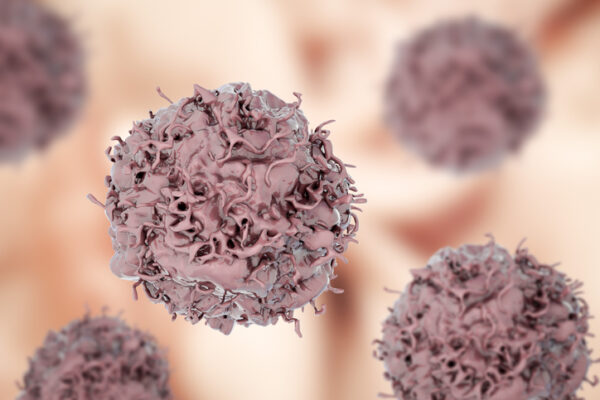
Jideytro is an oral small molecule in the class of medicines called ROS1 inhibitors. ROS1 is a protein that plays a role in cellular growth and differentiation. Genetic alterations to ROS1 contribute to cancer, including non-small cell lung cancer (NSCLC), which is the most common type of lung cancer. An estimated 50,000 patients are diagnosed worldwide with ROS1-positive NSCLC each year.

Where Will AI Deployment Benefit Payers the Most?
We are taking a look at how health insurers are using AI, defining success, and managing cybersecurity risks. Give us your opinions by completing our brief, anonymous survey.
The class of ROS1 inhibitors includes Xalkori from Pfizer and Rozlytrek from Roche. ROS1-driven cancers can be aggressive, and brain metastasis is common. The 2023 FDA approval of Bristol Myers Squibb’s Augtyro in NSCLC introduced a ROS1 inhibitor designed to penetrate the blood-brain barrier to treat cancer that has spread to the central nervous system.
The FDA decision for Jideytro covers patients with ROS1-positive NSCLC who were previously treated with a ROS1 inhibitor. GSK says its drug has a next-generation design that makes it highly selective to its target awhile offering broad coverage of ROS1 resistance mutations. This molecule is also designed to penetrate the blood-brain barrier to address cancer that has spread there. The regulatory submission for Jideytro was based on a single-arm Phase 1/2 study. In the overall population, results showed a 44% objective response rate. The most common adverse reactions reported included fluid retention, peripheral neuropathy, constipation, fatigue and shortness of breath.
“Despite advances in treatment, resistance mutations, disease progression in the brain and treatment-related adverse events continue to create challenges for patients,” Dr. Alexander Drilon, investigator in the Phase 1/2 ARROS-1 trial and chief of the early development service at Memorial Sloan Kettering Cancer Center, said in a prepared statement. “The responses observed in ARROS-1, including in heavily pre-treated patients, represent meaningful progress for people living with this disease.”
Jideytro came from the labs of Nuvalent, a developer of small molecule drugs for cancer. The company’s drugs go after known and validated targets, but are designed to offer advantages over medicines that are already available. In early June, GSK agreed to pay $10.6 billion to buy Nuvalent. The deal closed two weeks ago. Alongside Jideytro, Nuvalent brought another near-commercial cancer drug called neladalkib. This small molecule was developed for patients with ALK-altered NSCLC. An FDA decision is expected by Nov. 27.
From Blind Spots to Better Outcomes: How SNF Data Transparency Strengthens LTSS
What if health plans could identify member decline before an avoidable hospitalization occurs? Real-time clinical visibility into long-stay SNF members uncovers risk earlier and drives better outcomes.
GSK’s top cancer product is the blockbuster drug Jemperli, an antibody that is approved for endometrial cancer. The company recently reported positive data from a pivotal test of Jemperli in rectal cancer. GSK also has blockbuster hopes for Blenrep, an antibody drug conjugate (ADC) that reentered the market last year as a third-line treatment for multiple myeloma. In lung cancer, GSK has a B7-H3-targeted ADC in late-stage development for small-cell lung cancer. This drug was licensed from Hansoh Pharma.
In an email, a GSK spokesperson said the company is working with Nuvalent to bring Jideytro to eligible patients as quickly as possible. The company is not disclosing pricing information at this time. Meanwhile, clinical testing for Jideytro is ongoing, evaluating the drug as a first-line treatment for patients who have not previously been treated with a ROS1 inhibitor.
Illustration: Getty Images