
The Antibiotics Exist —The System Cannot Deliver Them
This is not a discovery problem. It is a market entry and access problem, and it is far more tractable than the pipeline crisis we spend most of our attention on.
This is not a discovery problem. It is a market entry and access problem, and it is far more tractable than the pipeline crisis we spend most of our attention on.

City Therapeutics’ lead RNA interference therapy could become an alternative to blockbuster-selling anticoagulants. The company’s technology for designing RNAi drugs and delivering them to tissues throughout the body has already led to partnerships with Bausch + Lomb in eye diseases and Biogen in central nervous system disorders.


Veradigm examines key clinical trends, comorbidity profiles, and treatment trends across adolescence, reproductive years, and peri-/post-menopause. Download it today!

Iambic Therapeutics, an AI-enabled biotech company, will apply the IPO proceeds toward clinical development of its pipeline of internally discovered and wholly owned cancer drugs. Iambic also has R&D alliances with companies such as Bayer and AbbVie.

Ultragenyx Pharmaceutical sold two priority review vouchers, each from an FDA approval of a gene therapy. Both therapies came from business deals and proceeds from the voucher sales put Ultragenyx in a better financial position to pursue yet another deal for a rare disease asset.
Roche gains global rights to a Rona Therapeutics RNA interference drug designed to target ALK7, a genetically validated target for obesity and other metabolic indications. The growing field of companies pursuing ALK7 includes GSK and Arrowhead Pharmaceuticals.

Corporate venture funds often chase financial returns while ignoring strategic value. Here’s what it takes to turn healthcare portfolio investments into lasting business impact.

Small practices play a critical role in healthcare delivery, but they cannot continue to absorb ever-increasing administrative demands without consequences.

Asahi Kasei’s Hovilpri is now approved for treating lesions caused by herpes simplex virus infection. This daily pill came from the $919 million acquisition of AiCuris Anti-Infective Cures.
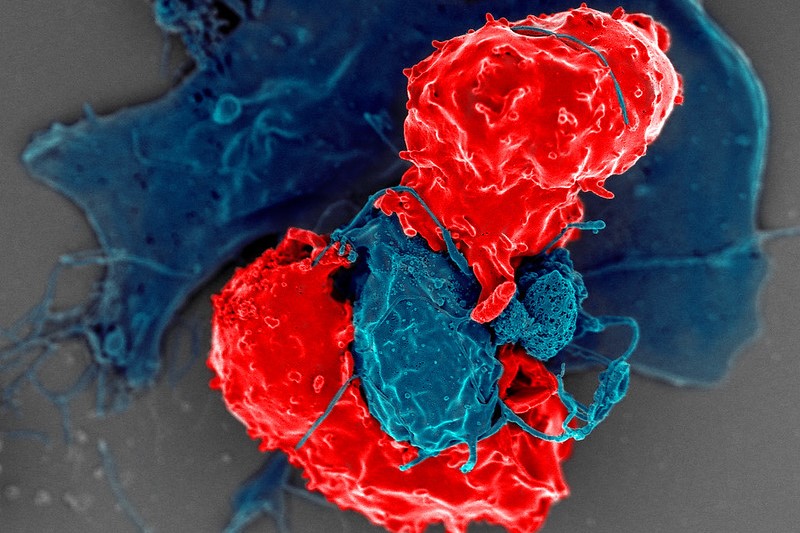
Eli Lilly-partnered TRexBio will apply the IPO proceeds toward clinical development of molecules designed to activate regulatory T cells to mediate immune responses and inflammation. Meanwhile, Retension Pharmaceuticals will use its IPO cash for mid-stage testing of a next-generation hypertension drug.

The pace of change in digital innovation has exposed the ever-widening gap between digital health and Pharma commercial teams. As a result, Pharma is missing out on its ability to significantly improve its commercial model, by focusing on efficiencies vs. truly reinventing.

Caribou Biosciences is stopping work on its two remaining cancer cell therapies and exploring strategic alternatives for the business. The move follows the CRISPR biotech company’s failure to secure financing for its clinical trial plans.

Healthcare decision-makers, especially at pharmaceutical companies, must prioritize patient input. Data collected from social media listening is a significant step in the right direction.

No longer satisfied with buying pharmacies and clinics, it seems intent on owning the healthcare journey, and perhaps redrawing pharma’s commercialization map.

Shionogi’s IntraBio acquisition brings Aqneursa, a drug approved for treating two rare neurological disorders and the potential to expand to additional indications, both rare and common. It’s Shionogi’s second big rare disease move this year, following the acquisition of global rights to an amyotrophic lateral sclerosis drug from Tanabe Pharma.
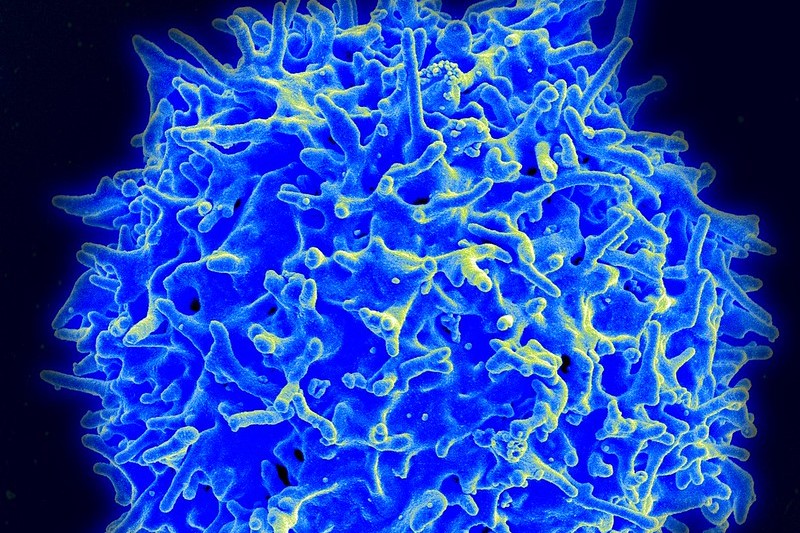
While the immune reset field is mainly focused on depleting pathogenic B cells, ai3Bio is applying its novel approach to inflammatory T cells. The startup’s initial disease targets are autoimmune disorders of the liver that have few treatment options if any at all.

Pfizer’s Litfulo significantly improved skin pigment measures in two pivotal studies in vitiligo, results that were presented during the European Academy of Dermatology and Venereology annual meeting. If Pfizer’s daily pill is approved, it would compete against an Incyte topical cream that is currently the only FDA-approved therapy for this autoimmune skin disorder.
Sanofi and Regeneron Pharmaceuticals will collaborate on four next-generation antibody drugs that could offer advantages over Dupixent, the blockbuster immunology drug spawned by their R&D alliance. The companies project these drugs will start reaching pivotal testing in 2029 — important because Dupixent faces patent expiration in 2031.