
CalPERS Selects CVS Caremark as PBM, Replacing OptumRx
CalPERS has entered into a five-year agreement with CVS Caremark, who will provide outpatient prescription drug benefits for about 587,000 members enrolled in basic or Medicare HMO or PPO plans.
CalPERS has entered into a five-year agreement with CVS Caremark, who will provide outpatient prescription drug benefits for about 587,000 members enrolled in basic or Medicare HMO or PPO plans.

After the FTC filed a lawsuit in September, accusing the three major pharmacy benefit managers of anticompetitive rebating practices related to insulin, the defendants reversed roles and became plaintiffs. In November, they countersued the agency, arguing that its lawsuit is unconstitutional.

By reducing administrative burden and redesigning workflows around human needs, it creates space for what matters most: connection between clinicians and patients.

The Federal Trade Commission has sued CVS Caremark, Express Scripts and Optum Rx, alleging that they engage in "anticompetitive and unfair rebating practices” as it relates to insulin. One legal expert believes the FTC might win this legal battle.

OptumRx's Chief Clinical Officer shares his insights on the latest developments and trends he's seen in the healthcare industry.
James Comer (R-Ky), House Committee on Oversight and Accountability chairman, sent letters to the Office of Personnel Management, Centers for Medicare and Medicaid Services and the Defense Health Agency asking for documents that show how PBMs’ practices are affecting federal government healthcare programs. In addition, he sent letters to CVS Caremark, Express Scripts and OptumRx, asking them to provide information on their tactics.

The largest six pharmacy benefit managers are being scrutinized by the Federal Trade Commission, while Congress is debating the Pharmacy Benefit Transparency Act. Meanwhile, states have their own ideas for reining in what they see as excesses of the industry. With all this heat, what is the message from the head of the Pharmaceutical Care Management Association?

Small practices play a critical role in healthcare delivery, but they cannot continue to absorb ever-increasing administrative demands without consequences.

Requiring that PBMs bid on a per member per month guarantee would reduce the employer’s uncertainty by securing the actual per member per month cost to the employer.

Large employers, particularly self-insured companies, can demand a better and fairer system. They can use their contracting power to insist that their plans cover all FDA approved drugs.

UnitedHealth's 2020 revenue jumped by $15 billion from the year before. As the payer gears up for 2021, leaders except to see demand for telehealth and online pharmacies continue, driving their focus on these services.

Some healthcare startups that offer at-home prescription deliveries and test kits have experienced delays with the USPS. They shared how they're navigating the changes.


Veradigm examines key clinical trends, comorbidity profiles, and treatment trends across adolescence, reproductive years, and peri-/post-menopause. Download it today!

Boston, Massachusetts-based WithMe Health launched out of stealth with $20 million in funding and Oak HC/FT Partner Chris Price at the helm.

Regulatory approval for the purchase is predicated on Aetna's previously announced plans to sell off its Medicare Part D business to WellCare Health.

In a position statement, ASCO said PBM practices can result in medication dispensing errors, harm physicians' ability to treat patients and drive up costs.
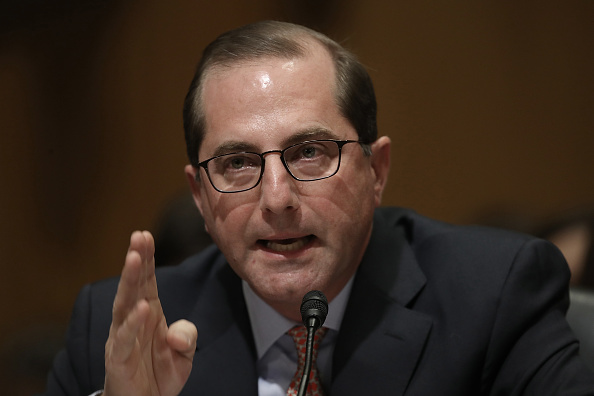
Cracking down on manufacturer rebates for PBMs is part of administration plan to cut drug and out-of-pocket costs.

Before the end of the year, UnitedHealthcare will add "clinically focused" notifications to Health4me, based on individuals' claims data.